
Austria converts Hitler's birthplace into a police station to combat neo-Nazi tourism
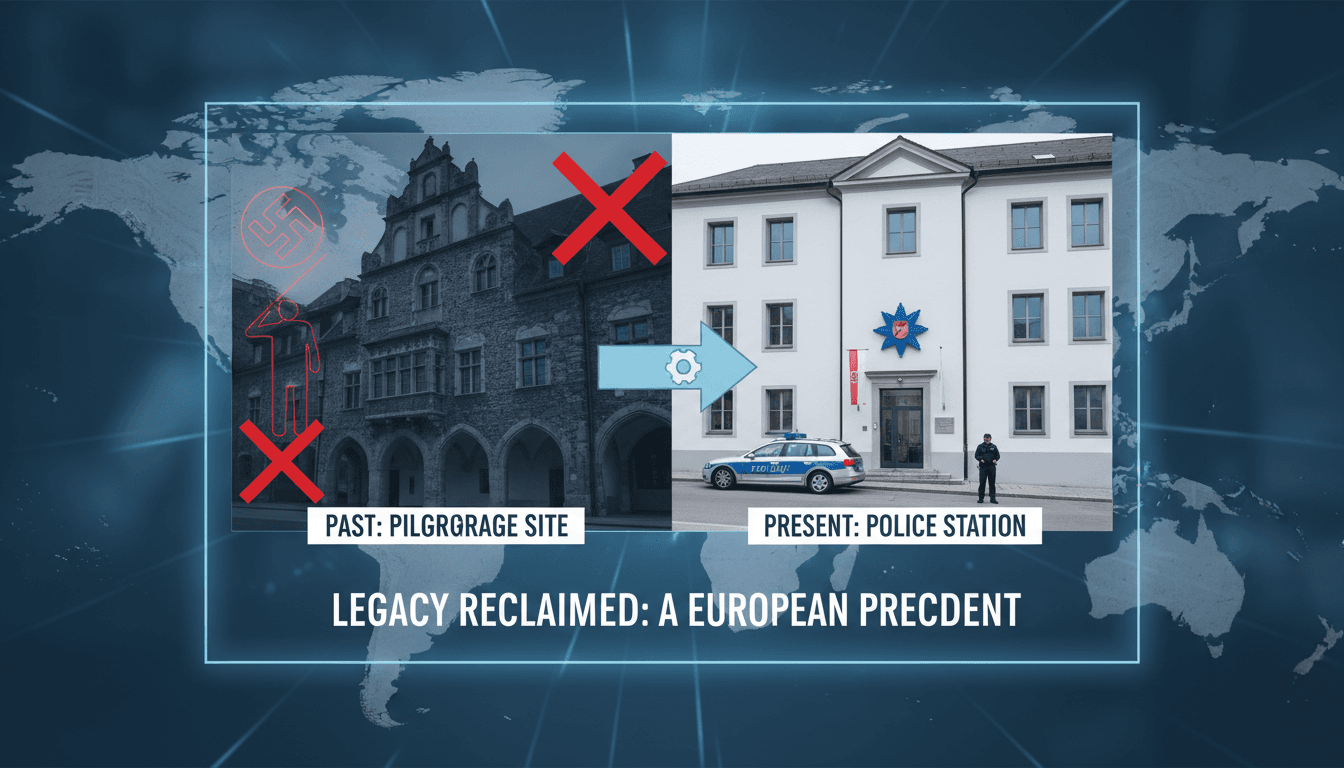
Here's what it means for you.
Austria's decision to convert Adolf Hitler's birthplace into a police station marks a significant shift in how controversial historical sites are managed. This proactive approach aims to deter neo-Nazi tourism and mitigate the site's toxic legacy. The implications extend beyond Austria, potentially influencing policies across Europe regarding the management of similar sites associated with extremist figures. The establishment of a police presence at this historically significant location reflects a commitment to confronting the resurgence of far-right extremism. It signals a broader societal effort to redefine the narrative surrounding such sites and promote a more positive community environment.
What happened
Austria has officially opened a police station at Adolf Hitler's birthplace in Braunau am Inn. This transformation aims to deter neo-Nazi tourism and neutralize the controversial legacy of the site. The decision follows years of public debate on how to handle the building, which has attracted far-right extremists and served as a focal point for their gatherings.
The police station is part of a broader initiative to address the site's historical implications while also tackling issues such as narcotics trafficking in the area. This conversion represents a significant step in Austria's efforts to prevent the building from becoming a pilgrimage site for those with extremist views.
The Context
Adolf Hitler was born on April 20, 1889, in a rented apartment in Braunau am Inn, making the site historically significant and controversial. The building, previously a 17th-century inn, has long been a gathering place for neo-Nazi groups, prompting public concern and debate over its future. The conversion into a police station is a response to these concerns and reflects a broader societal commitment to confronting the legacy of extremism.
The decision to repurpose the site comes at a time when many European countries are grappling with the resurgence of far-right ideologies. By taking this step, Austria aims to set a precedent for how other historical sites associated with controversial figures are managed, potentially influencing policies on heritage and extremism across the continent.
Takeaway
The establishment of the police station at Hitler's birthplace represents a proactive approach by Austria to combat the resurgence of far-right extremism. Moving forward, it will be essential to monitor the impact of this initiative on neo-Nazi tourism in the area. Observing changes in public sentiment regarding historical sites associated with controversial figures will also provide valuable insights into the effectiveness of this strategy.
As Austria navigates this complex issue, the implications of this decision may resonate beyond its borders, prompting other nations to reconsider their approaches to similar historical sites. The long-term effects of this initiative could shape the future of heritage management in Europe.
Global news coverage with extensive reporting on Middle Eastern conflicts and geopolitics.
"Al Jazeera is a Qatar-based broadcaster known for wide regional coverage and alternative perspectives."
— A47 Editor
Austrian home where Hitler was born reopened as police station
The Austrian government has officially converted Adolf Hitler's birthplace in Braunau am Inn into a police station, a move aimed at deterring neo-Nazi groups from using the site as a pilgrimage location. This transformation was reported on July 16, 2...
Comprehensive coverage of Middle Eastern and global issues.
"Al Jazeera is a prominent voice from the Global South, especially the Middle East, with an emphasis on underreported stories."
— A47 Editor
Austrian home where Hitler was born reopened as police station
The Austrian government has officially converted Adolf Hitler's birthplace in Braunau am Inn into a police station, a move aimed at deterring neo-Nazi groups from using the site as a pilgrimage location. This transformation was reported on July 16, 2...
International coverage of politics, security, and social issues.
"Global News is a mainstream Canadian outlet with a centrist editorial stance, focusing on factual reporting."
— A47 Editor
Adolf Hitler’s birthplace in Austria is now officially a police station
The Austrian government has officially converted the building where Adolf Hitler was born in Braunau am Inn into a police station, a decision made to deter neo-Nazi groups from using the site as a pilgrimage location. This transformation was reported...
Top international stories selected by The Guardian editors.
"The Guardian is known for its progressive editorial stance and in-depth analysis."
— A47 Editor
Austria opens police station at Hitler birthplace to deter neo-Nazi tourists
Austria has opened a police station in Braunau am Inn, the birthplace of Adolf Hitler, in an effort to deter neo-Nazi tourists who have historically visited the site as a pilgrimage location. This initiative follows years of debate on how to address ...
International news, politics, and culture.
"Sky News is a UK-based 24-hour channel known for fast-breaking news and political coverage."
— A47 Editor
Hitler's birthplace reopens as police station to deter neo-Nazis
The Austrian government has officially converted Adolf Hitler's birthplace in Braunau am Inn into a police station, a move aimed at deterring neo-Nazi groups from using the site as a pilgrimage location. This transformation was reported on July 16, 2...
International coverage of politics, culture, and current affairs.
"BBC News is widely regarded as a reputable international news organization, known for its impartial tone and public service mandate."
— A47 Editor
Police station opens at Hitler's birthplace in bid to rid site of Nazi link
A police station has been opened at the birthplace of Adolf Hitler, a 17th-Century former inn, following years of debate regarding the site's association with the Nazi dictator. This initiative aims to transform the location and diminish its historic...