
France set to ban social media use for under 15s
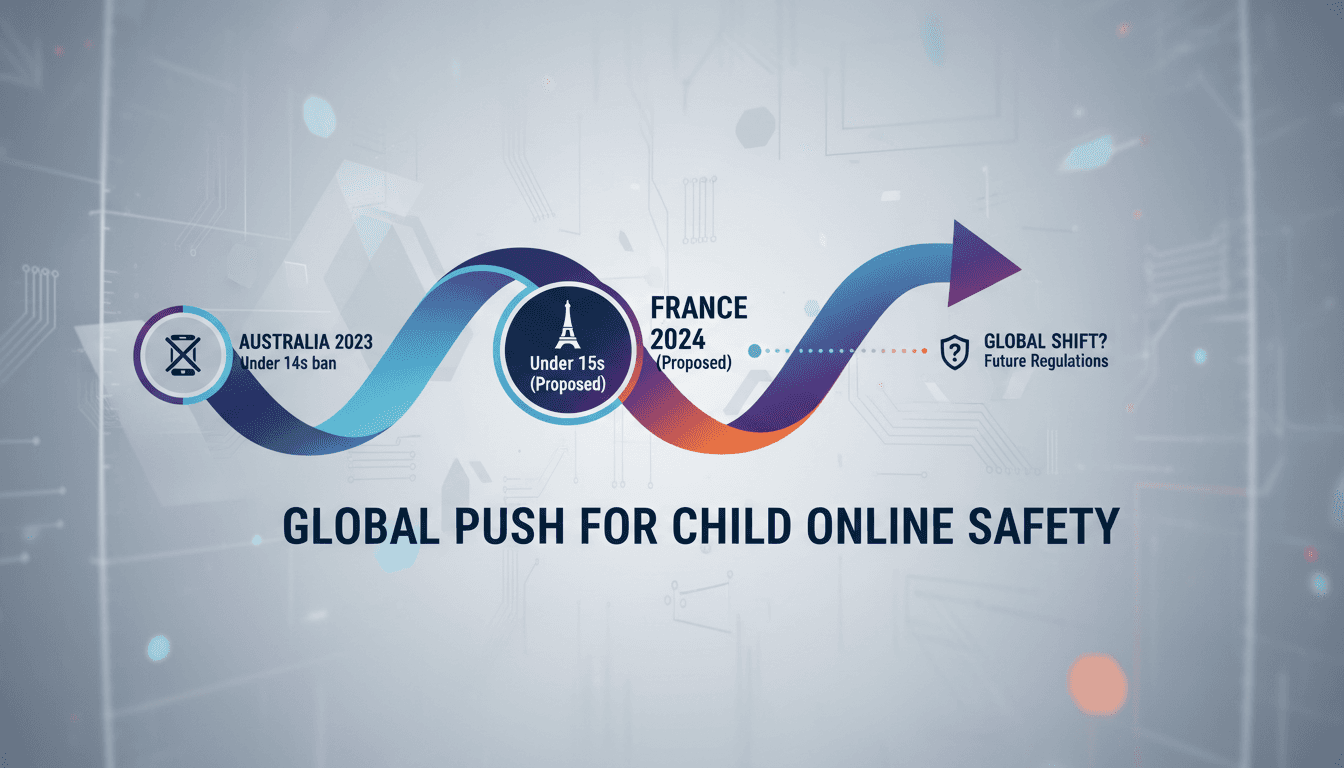
Here's what it means for you.
The French parliament is poised to enact legislation that will restrict social media access for individuals under the age of 15. This significant move reflects a growing global trend aimed at safeguarding the mental health of young users. As countries like Australia have already implemented similar bans, the implications for social media platforms and their user demographics could be profound. This legislation may prompt other nations to reconsider their own policies regarding minors' access to social media, potentially reshaping the digital landscape for younger audiences.
What happened
France's parliament is expected to approve a ban on social media for users under 15 years old. This legislation is part of a broader initiative to address rising concerns about the mental health of young people. The proposed ban will apply to major platforms such as Facebook, Snapchat, TikTok, and YouTube, reflecting a comprehensive approach to online safety.
The move follows Australia's pioneering ban on social media for users under 16, which was enacted in December 2025. As France prepares to finalize its legislation, the focus remains on protecting youth from the adverse effects of social media, including cyberbullying and addiction.
The Context
The legislation is driven by increasing worries about the mental health of young users, a concern echoed by various stakeholders, including parents, educators, and mental health advocates. Australia set a precedent with its ban, and other countries, including the UAE, are also considering similar restrictions. This trend signifies a shift towards stricter regulations aimed at enhancing child safety online.
The timing of France's decision aligns with a growing international dialogue about the responsibilities of social media platforms in protecting vulnerable populations. As more countries adopt such measures, the landscape of social media usage among minors is likely to change significantly.
Takeaway
As France moves forward with its social media ban for users under 15, it will be crucial to monitor the implementation and its impact on young users. Observing how other countries respond to this trend will provide insights into the evolving regulatory environment surrounding social media.
The ongoing discussions about balancing digital freedom with child safety will likely intensify, prompting further legislative actions worldwide. This shift could redefine how social media platforms engage with younger audiences and their responsibilities in safeguarding user well-being.
UAE-based English-language newspaper covering regional politics, economics, and global affairs.
"The National reflects Emirati policy perspectives while maintaining international editorial standards."
— A47 Editor
France, UAE and other countries banning or restricting social media for children
France has officially become the first country in the European Union to ban social media for children under the age of 15, effective September 1, 2026. This decision aligns with similar initiatives in other countries, including Australia and the UK, ...
Startup news with frequent AI coverage.
"Covers launches, funding, and product updates in AI."
— A47 Editor
These are the countries moving to ban social media for children
Australia became the first country to implement a ban on social media for children under 16 in late 2025, aiming to reduce risks such as cyberbullying, addiction, and exposure to online predators. This legislative action reflects growing concerns abo...
24/7 international news from a French perspective in multiple languages.
"France 24 is viewed as a globally focused outlet with balanced coverage and a European perspective."
— A47 Editor
'It has to work': France nears approval of under-15 social media ban
France is on the verge of becoming the first EU country to approve legislation banning social media access for individuals under the age of 15, with final votes expected from both houses of parliament. This initiative, led by President Emmanuel Macro...