
U.S. escalates military strikes in Iran amid rising tensions
Here's what it means for you.
The intensification of U.S. military strikes in Iran signals a significant shift in geopolitical dynamics, with potential implications for global markets and security policies. Investors should brace for volatility as military actions may disrupt oil supply routes, particularly in the strategically vital Strait of Hormuz. The ongoing conflict raises concerns about broader military engagement, which could lead to increased energy prices and economic instability. As both nations engage in retaliatory strikes, the risk of escalation remains high, necessitating close monitoring of diplomatic efforts aimed at de-escalation. The situation underscores the importance of international relations and the potential for policy shifts that could impact various sectors.
What happened
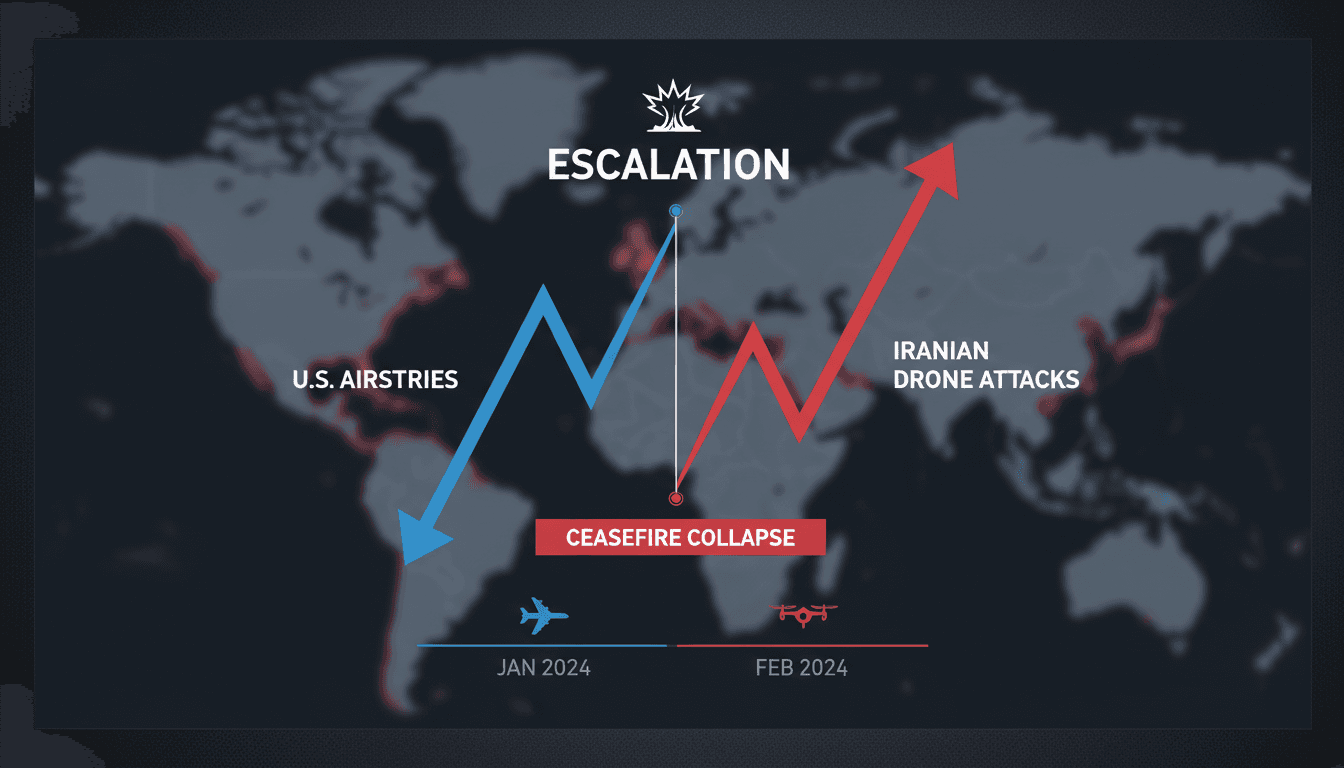
The U.S. has significantly escalated its military operations in Iran, conducting airstrikes in response to Iranian attacks on U.S. interests. This escalation includes targeting critical infrastructure within Iran, marking a notable expansion of the military campaign. In retaliation, Iran has launched drone strikes against U.S. military facilities, further heightening tensions between the two nations.
The conflict has intensified following the collapse of a ceasefire agreement in June, which had briefly halted hostilities. President Trump has indicated a willingness to consider a major escalation of military operations, suggesting that the situation could deteriorate further if diplomatic solutions are not pursued.
The Context
The ongoing conflict between the U.S. and Iran has deep roots, with both nations historically at odds over various geopolitical issues. The recent escalation follows a series of Iranian attacks on commercial shipping in the Strait of Hormuz, a critical chokepoint for global oil transportation. The breakdown of the ceasefire agreement has left both sides poised for further military engagement, raising the stakes for regional stability.
As military actions continue, the human cost of the conflict has become increasingly apparent, with reported casualties in Iran reaching 3,434 since the conflict began. The potential for broader military conflict looms large, with both nations showing no signs of backing down, making the situation increasingly volatile.
Takeaway
Looking ahead, the potential for further military engagement remains high, with both the U.S. and Iran prepared for continued hostilities. Observers should monitor developments in U.S. military strategy regarding Iran, as well as any diplomatic efforts aimed at de-escalating tensions. The situation is fluid, and the implications for regional and global security could be profound if military actions escalate further.
As the conflict unfolds, the international community will be watching closely for signs of a shift in strategy or renewed diplomatic initiatives that could help mitigate the risks of a larger confrontation. The stakes are high, and the need for effective communication and negotiation has never been more critical.
Pan-Arab news coverage spanning politics, business, sports, and regional affairs.
"Asharq Al-Awsat reflects a broad Arab editorial perspective with strong attention to regional geopolitics."
— A47 Editor
هدوء هش وسط تهديدات بتوسيع الحرب
U.S. President Donald Trump announced that he is considering broader strikes against Iran as the conflict in the region escalates. This statement reflects the increasing tensions and the potential for a wider military engagement in the Middle East.
English-language reporting on Saudi politics, policy, and society.
"Saudi Gazette reflects mainstream Saudi institutional perspectives."
— A47 Editor
US expands strikes across Iran as Hormuz conflict escalates
The United States has expanded its military operations against Iran, intensifying airstrikes targeting military installations and critical infrastructure deeper within the country. This escalation follows renewed hostilities over the Strait of Hormuz...
Global political, business, and cultural coverage from WSJ international desks.
"The Wall Street Journal offers extensive international reporting with a reputation for financial insight and a center-right editorial stance."
— A47 Editor
The U.S. and Iran Are Stuck in a Cycle of Military Escalation
The United States and Iran are currently engaged in a cycle of military escalation, with President Trump threatening to intensify airstrikes against Iran amid ongoing attacks from Tehran's militia allies. This situation follows a series of Iranian as...
International stories from NPR’s global desk.
"NPR is an American public media organization known for thoughtful reporting and a slightly left-leaning editorial tone."
— A47 Editor
Trump threatens a major escalation in Iran after 13 straight nights of strikes
The U.S. continued airstrikes in Iran while Tehran launched retaliatory attacks on U.S. targets in the Gulf, as President Trump said he was close to deciding whether to launch "a massive attack."
English-language reporting on Saudi politics, policy, and society.
"Saudi Gazette reflects mainstream Saudi institutional perspectives."
— A47 Editor
US and Iran trade more strikes in Gulf as fears of escalation mount
Iran has conducted drone strikes on US military facilities in the Middle East, marking a significant escalation in hostilities following 13 consecutive nights of US airstrikes targeting Iranian positions. Reports indicate multiple explosions across v...