
Iranian military targets US naval assets in Gulf of Oman
Here's what it means for you.
The recent Iranian military operations in the Gulf of Oman signal a significant escalation in tensions between Iran and the United States. This development could have far-reaching implications for maritime security and international shipping routes in the region. Stakeholders, including global markets and policymakers, should closely monitor the situation as it unfolds, given the potential for increased military confrontations. The ongoing hostilities may also impact energy prices and trade dynamics, particularly if shipping lanes are threatened. As both nations assert their military presence, the risk of miscalculation remains high, necessitating a careful diplomatic approach.
What happened
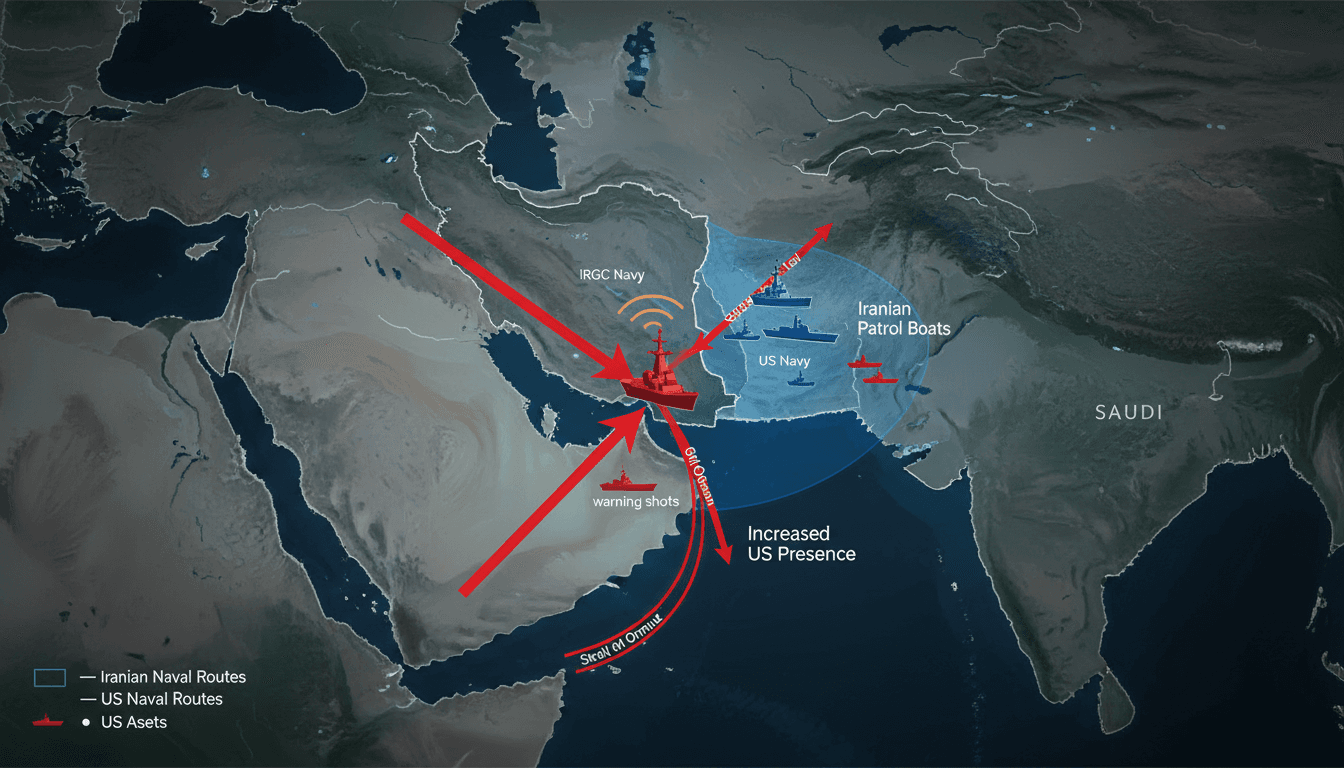
Iranian forces have conducted operations in the Gulf of Oman, specifically targeting a U.S. destroyer. This includes the firing of warning shots at U.S. naval vessels, which Iran claims were involved in operations against its commercial interests. The Iranian Revolutionary Guard announced the targeting of a U.S. destroyer's command center, marking a significant escalation in military actions.
The operations were framed as a direct response to the increased U.S. military presence in the region. Reports indicate that this incident reflects the ongoing hostilities between Iran and the U.S. in maritime operations, highlighting the fragile state of security in the Gulf.
The Context
The backdrop to these military actions involves a long-standing conflict over maritime operations between Iran and the United States. The U.S. has been increasing its military presence in the Gulf of Oman, which Iran perceives as a direct threat to its shipping interests. This escalation is not an isolated incident but part of a broader pattern of confrontations that have characterized U.S.-Iran relations.
The Iranian military's actions are framed as a necessary defense against perceived threats, underscoring the complexities of regional security dynamics. As both nations continue to assert their military capabilities, the potential for further conflict looms large, raising concerns among international observers.
Takeaway
The situation in the Gulf of Oman is poised for further escalation as both Iran and the U.S. maintain their military operations. Observers should watch for potential U.S. military responses to Iranian actions, which could further heighten tensions. Additionally, developments in U.S.-Iran maritime relations will be critical to monitor, as they may influence broader geopolitical stability in the region.
As the conflict evolves, the implications for maritime security and international trade will become increasingly significant. Stakeholders must remain vigilant as the potential for confrontation persists.
Egyptian politics, economy, and society coverage.
"Al Masry Al Youm is a major Egyptian newspaper with broad national coverage."
— A47 Editor
صواريخ «قدير» وانسحاب مدمرتين أمريكيتين.. ماذا فعلت إيران في بحر عمان؟
The Iranian military announced the execution of a maritime operation targeting U.S. military movements in the Oman Sea, indicating that warning shots were fired and weapons, including missiles, were used to compel American naval vessels to withdraw.
Arabic-language coverage of international news and geopolitics.
"RT Arabic is a Russian state-funded outlet often criticized for promoting Kremlin-aligned narratives."
— A47 Editor
الجيش الإيراني يعلن استهداف مدمرة أمريكية في بحر عمان
The Iranian military has announced the targeting of a U.S. destroyer in the Sea of Oman, claiming it was a strike against a center for coordinating operations deemed harmful to Iranian commercial vessels.
Arabic-language coverage of international news and geopolitics.
"RT Arabic is a Russian state-funded outlet often criticized for promoting Kremlin-aligned narratives."
— A47 Editor
الحرس الثوري الإيراني يعلن استهداف "مركز قيادة" أمريكي في خليج عمان
The Iranian Revolutionary Guard announced that it targeted a U.S. command and control center located on an American destroyer in the Gulf of Oman, in response to operations against Iranian vessels.