
U.S. Secretary of State Accuses Iran of Violating Agreements and Warns of Escalating Consequences
Here's what it means for you.
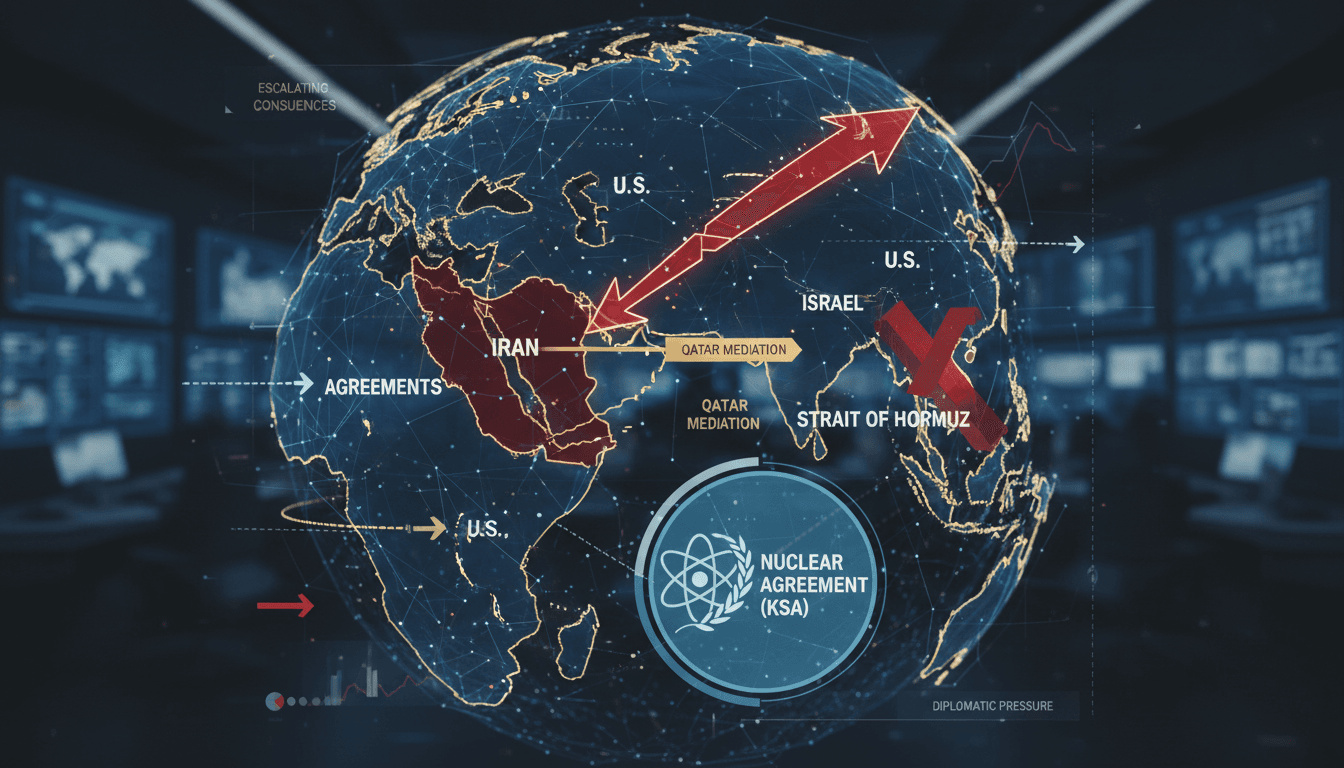
The U.S. government's hardening stance against Iran could have significant implications for regional stability and international relations. As Secretary of State Marco Rubio emphasizes the importance of a strategic partnership with Saudi Arabia, businesses and policymakers should prepare for potential shifts in diplomatic dynamics. The ongoing negotiations involving Qatari mediators may influence energy markets, particularly concerning the Strait of Hormuz, a critical shipping route. Increased pressure on Iran could lead to heightened tensions, impacting global oil prices and security in the region. Stakeholders must remain vigilant as developments unfold.
What happened
U.S. Secretary of State Marco Rubio has publicly accused Iran of violating agreements, warning that the consequences for Iran will escalate. He criticized Iran for its deceptive actions, which he claims are harmful to regional stability. Rubio indicated that the U.S. will continue to impose costs on Iran for its non-compliance.
His remarks come amid ongoing negotiations involving Qatari mediators, aimed at resolving regional conflicts and reopening the vital Strait of Hormuz. The U.S. remains committed to a diplomatic resolution but is prepared for a tougher stance if necessary.
The Context
Rubio's statements highlight the strategic partnership between the U.S. and Saudi Arabia, underscoring the importance of this alliance in counterbalancing Iran's influence in the region. Iran's actions, particularly its support for the Houthis and involvement in ongoing conflicts, have raised concerns among U.S. officials.
The timing of these accusations coincides with discussions about a potential nuclear agreement with Saudi Arabia, which could further shift the balance of power in the Middle East. As negotiations continue, the role of Qatari mediators is crucial in addressing these complex issues.
Takeaway
Looking ahead, the U.S. is likely to maintain its pressure on Iran while seeking diplomatic solutions to ongoing conflicts. The situation remains fluid, with potential developments in U.S.-Iran negotiations expected in the coming weeks. Observers should also watch for Iran's reactions to these accusations and how they may influence regional dynamics.
The focus on a nuclear agreement with Saudi Arabia could serve as a counterbalance to Iran's actions, shaping future diplomatic efforts. Stakeholders must stay informed as the landscape evolves.
Pan-Arab news coverage spanning politics, business, sports, and regional affairs.
"Asharq Al-Awsat reflects a broad Arab editorial perspective with strong attention to regional geopolitics."
— A47 Editor
واشنطن تتهم طهران بنقض الاتفاقات… والوسطاء يعجزون عن وقف الحرب
U.S. Secretary of State Marco Rubio accused Iran on Thursday of violating agreements, stating that the country is 'paying the price' as attacks continue. This accusation highlights ongoing tensions between the U.S. and Iran, particularly in the conte...
Arabic-language coverage of political affairs and current events.
"Okaz political coverage typically follows mainstream Saudi framing on national and regional affairs."
— A47 Editor
روبيو: السعودية شريك استراتيجي.. ومن المنطقي إبرام اتفاق نووي معها
U.S. Secretary of State Marco Rubio described Saudi Arabia as an important strategic partner, stating that it is logical to pursue a nuclear agreement with the kingdom, emphasizing that Saudi Arabia's nuclear ambitions are peaceful. He accused Iran o...
Jordanian news and regional updates.
"Roya News is a Jordanian outlet focused on breaking news and local affairs."
— A47 Editor
روبيو: إذا استمر الوضع على هذا النحو فإن إيران ستدفع ثمنا باهظا يزداد كل ليلة
U.S. Secretary of State Marco Rubio stated that Iran is not prepared to face the consequences of its actions, warning that if the current situation continues, Iran will pay a heavy price that increases nightly.