
US Allows Diplomatic Negotiations with Iran Amid Military Restraint
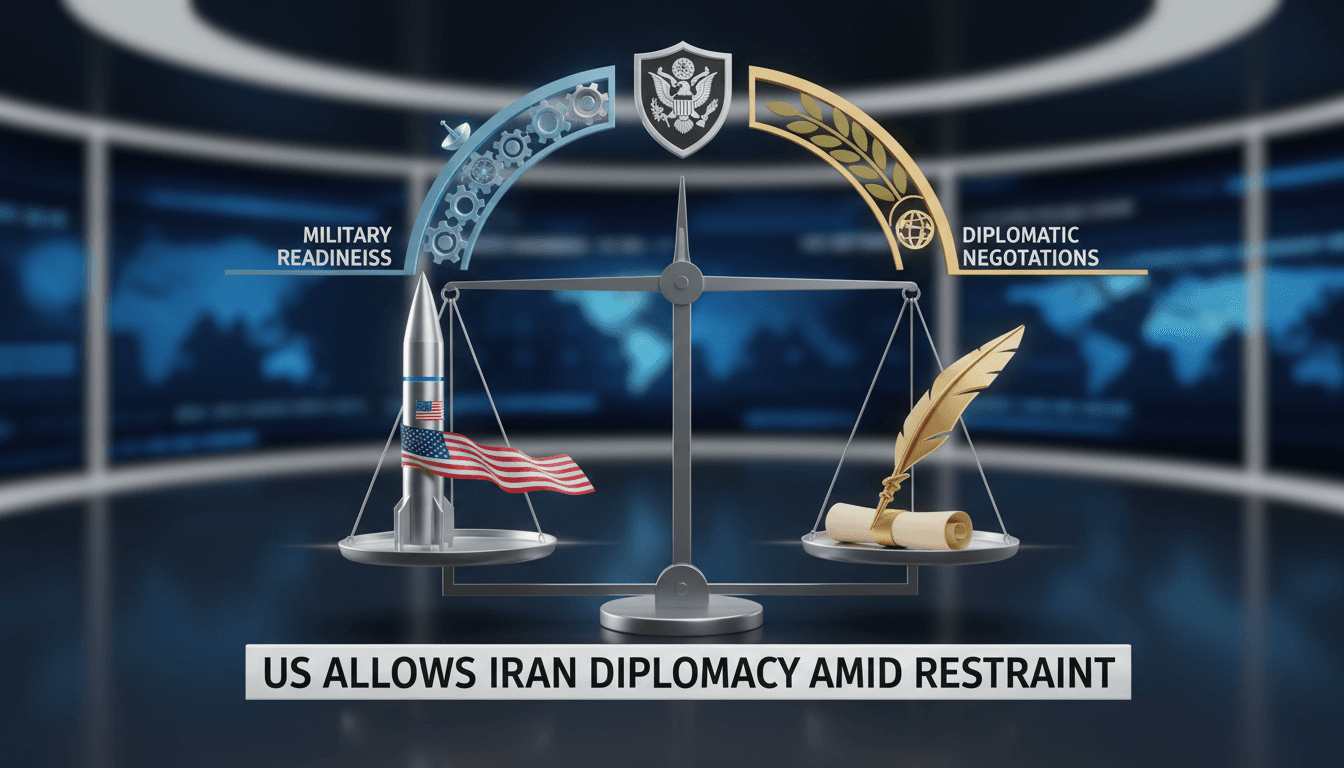
Here's what it means for you.
The U.S. is navigating a pivotal moment in its foreign policy towards Iran, balancing military readiness with a newfound openness to diplomatic negotiations. This shift could have significant implications for regional stability and international relations. Stakeholders in both the public and private sectors should monitor developments closely, as changes in U.S.-Iran dynamics may affect markets and geopolitical strategies.
What happened
President Trump has granted negotiations with Iran some leeway while maintaining military readiness. This decision follows a notable period of restraint, marked by two consecutive nights without U.S. military strikes against Iran. U.S. Ambassador to the UN, Mike Waltz, confirmed that while negotiations are being allowed to proceed, the U.S. remains prepared for further military action if necessary.
This approach reflects a strategic pivot towards diplomacy amidst ongoing tensions. The administration's current stance indicates a desire to explore diplomatic avenues while ensuring military options remain viable.
The Context
The backdrop of this development includes heightened tensions between the U.S. and Iran, with military readiness being a critical factor. Ambassador Waltz's comments highlight the delicate balance the U.S. is attempting to strike, allowing for negotiations while remaining vigilant against potential threats. The U.S. has increased military resources in the region, underscoring the seriousness of its commitment to national security.
The absence of military strikes for two nights is a significant indicator of a potential shift in strategy. This moment could represent a turning point in U.S.-Iran relations, where diplomacy may take precedence over military action.
Takeaway
As diplomatic efforts continue, the situation remains fluid, and any shifts in military posture or negotiation outcomes could significantly impact regional stability and U.S.-Iran relations. Observers should monitor any developments in U.S.-Iran negotiations closely, as they may lead to changes in military actions or official statements from the U.S. government. The balance between military readiness and diplomatic engagement will be crucial in shaping future interactions.
UAE-based English-language newspaper covering regional politics, economics, and global affairs.
"The National reflects Emirati policy perspectives while maintaining international editorial standards."
— A47 Editor
Trump giving Iran talks 'some space', US envoy to UN says
President Donald Trump has decided to give diplomatic talks with Iran some space, indicating a strategic pause in military actions amid escalating tensions. This decision follows a series of Iranian missile attacks that have resulted in U.S. casualti...
Pan-Arab political news and analysis.
"Al-Quds Al-Arabi is a London-based Arabic newspaper known for political coverage."
— A47 Editor
سفير أمريكي: ترامب يمنح المفاوضات مع إيران “بعض المجال”
U.S. Ambassador Mike Waltz stated that President Donald Trump is allowing for some flexibility in negotiations with Iran, suggesting a potential shift in diplomatic strategy. This statement comes amid ongoing tensions between the two nations and refl...
Regional and international reporting focused on Middle Eastern politics, diplomacy, and economics.
"Asharq Al-Awsat is a Saudi-owned international newspaper reflecting mainstream Gulf political perspectives."
— A47 Editor
Trump is Giving Iran Talks 'a Little Bit of Room,' US Ambassador to UN Says
U.S. Ambassador to the UN stated that President Trump is allowing negotiations with Iran some space, indicating a strategic pause in military actions amid ongoing tensions. This comes after a series of Iranian missile attacks that have resulted in U....