
Saudi Arabia conducts military strikes in Iraq following drone attacks from Iranian-backed militias
What happened
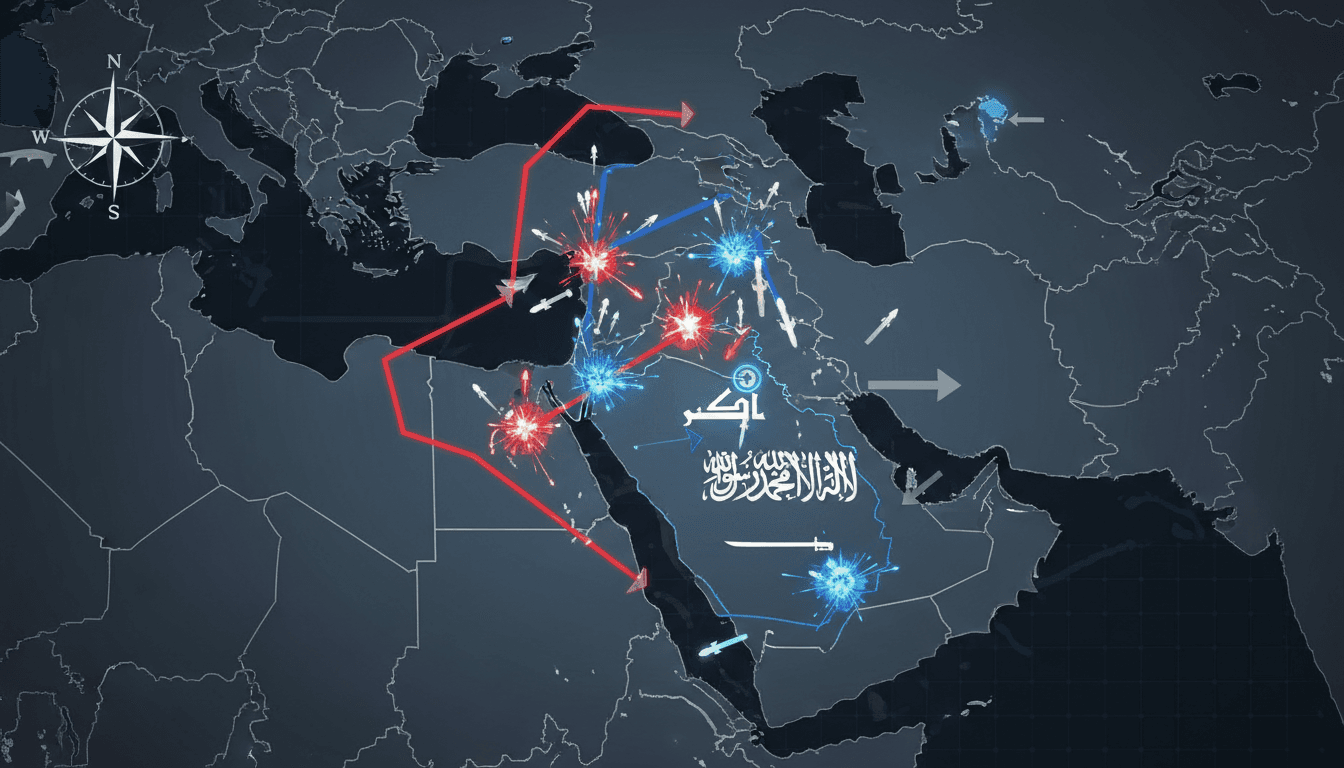
Saudi Arabia has launched military strikes against targets in Iraq in direct response to drone attacks from Iranian-affiliated militias. The Saudi Foreign Ministry has condemned these drone attacks as acts of aggression, emphasizing the nation's right to self-defense as outlined in Article 51 of the UN Charter. The military response specifically targeted sites linked to the attacks, showcasing Saudi Arabia's decisive action.
This escalation comes amidst heightened regional tensions, with Saudi Arabia coordinating its military response with U.S. forces. The situation reflects ongoing conflicts involving Iranian influence in the region, further complicating an already fragile security landscape.
The Context
The backdrop of this military action is a period marked by increasing hostilities and geopolitical maneuvering in the Middle East. Saudi Arabia's response is not only a matter of national security but also a reflection of broader regional dynamics, where Iranian-backed militias have been increasingly active. The support from Gulf and Arab nations highlights a collective stance against perceived threats from Iran.
The timing of these strikes is critical, as they occur during a phase of heightened vigilance among regional powers. The Saudi government is committed to maintaining stability and sovereignty, which is essential for its national interests and the security of its allies.
Takeaway
The situation may escalate further if provocations from Iranian-backed groups continue. Observers should monitor potential retaliatory actions from Iran or its proxies, which could lead to a cycle of violence and instability in the region. Additionally, diplomatic responses from other regional players will be crucial in shaping the future landscape of Middle Eastern security.
As the conflict unfolds, the fragile security situation in the Middle East remains a focal point for international attention. The ongoing tensions underscore the need for effective diplomatic efforts to address the underlying issues and prevent further escalation.
Pan-Arab news coverage spanning politics, business, sports, and regional affairs.
"Asharq Al-Awsat reflects a broad Arab editorial perspective with strong attention to regional geopolitics."
— A47 Editor
تأييد واسع للرد السعودي... والعراق لمنع تهديد الجوار
The Saudi response to attacks by Iranian-backed militias in Iraq has received widespread support from Gulf and Arab nations, highlighting a regional consensus against such aggressions. Baghdad has announced a comprehensive plan to prevent threats to ...
Arabic-language reporting focused on domestic developments in Saudi Arabia.
"Okaz is a mainstream Saudi newspaper that often reflects domestic priorities and official-facing coverage."
— A47 Editor
الرياض: ردع المعتدين حتمي
The Saudi Ministry of Foreign Affairs reiterated its commitment to deter aggressors following drone attacks launched by Iran-aligned militias in Iraq. The ministry emphasized the necessity of responding to these attacks, which occurred during a sensi...
Arabic-language local and national news coverage from Saudi Arabia.
"Al-Jazirah is a major Saudi daily with strong emphasis on domestic reporting and official developments."
— A47 Editor
المملكة تؤكد عزمها على حفظ أمنها وسيادتها وردع المعتدين
The Ministry of Foreign Affairs of Saudi Arabia has strongly condemned the attacks carried out by Iranian-backed militias in Iraq using drone strikes, asserting the kingdom's commitment to safeguarding its security and sovereignty. The statement emph...