
Iran Denies Negotiations with US Amidst Tensions and Military Threats
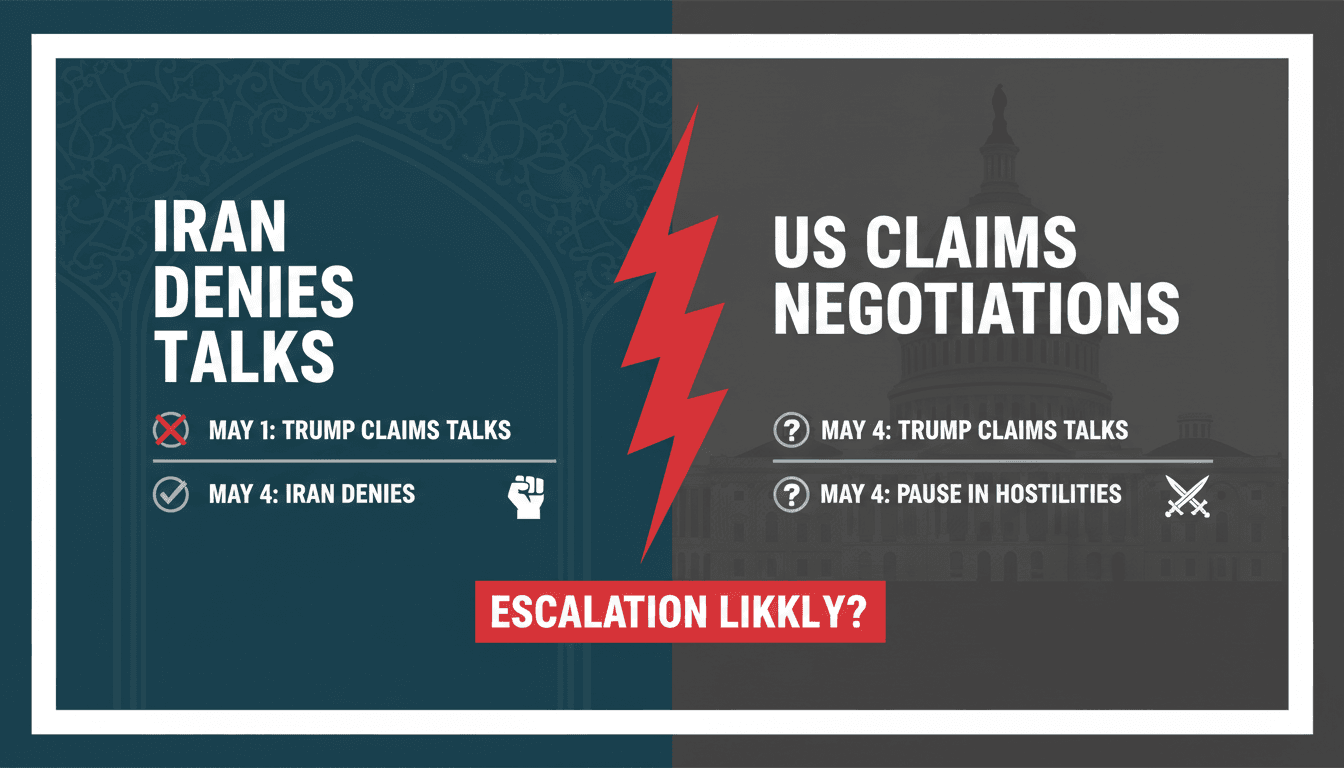
Here's what it means for you.
The denial from Iran regarding negotiations with the United States underscores the ongoing volatility in international relations. This situation may impact market stability, particularly in sectors sensitive to geopolitical tensions. Stakeholders should remain vigilant as the potential for military escalation looms, which could have broader implications for global security and economic conditions. The contrasting narratives from both nations highlight the complexities of diplomacy in a high-stakes environment. As both sides maintain their positions, the risk of miscalculation increases, necessitating close monitoring of developments.
What happened
Iran has publicly stated that it is not engaged in any negotiations with the United States, directly contradicting claims made by President Trump about ongoing discussions. This denial follows a three-day pause in hostilities between the two nations, indicating a fragile state of diplomatic relations. While Trump described the talks as "very friendly," Iran's foreign ministry has categorically rejected the notion of dialogue.
The situation reflects a significant disconnect between the two countries, with Iran asserting its lack of interest in dialogue. This development raises questions about the future of diplomatic efforts and the potential for renewed military actions if tensions escalate further.
The Context
The backdrop of this denial is a long history of strained relations between Iran and the U.S., characterized by mutual distrust and conflicting interests. The U.S. has indicated its readiness for military action should diplomatic efforts fail, adding to the precarious nature of the situation. The three-day pause in hostilities serves as a temporary reprieve, but it does not signify a lasting resolution.
Iran's refusal to engage in talks highlights its current stance against U.S. influence in the region. As both nations assert their positions, the implications for international diplomacy and regional stability remain significant.
Takeaway
Looking ahead, the potential for military escalation remains a critical concern if negotiations do not progress. Observers should watch for further statements from both governments regarding their diplomatic stances, as these will provide insight into the evolving situation. The current landscape suggests that both sides are entrenched in their positions, making any resolution challenging.
As the situation develops, the international community will be closely monitoring the actions and rhetoric from both Iran and the U.S. The outcome of this standoff could have far-reaching consequences for global security and diplomatic relations.
Arabic-language reporting on global and regional news.
"BBC Arabic is part of the BBC, generally regarded for editorial standards and broad international coverage."
— A47 Editor
ترامب: محادثات "ودية للغاية" بين الولايات المتحدة وإيران
U.S. President Donald Trump announced that the United States is engaged in "very friendly" talks with Iran, while simultaneously warning of a readiness to undertake "extensive military action" should diplomacy fail.
Pan-Arab news coverage spanning politics, business, sports, and regional affairs.
"Asharq Al-Awsat reflects a broad Arab editorial perspective with strong attention to regional geopolitics."
— A47 Editor
طهران: لا مفاوضات مع واشنطن والهدوء ليس هدنة
Iran has stated that it is not currently engaged in any negotiations with the United States, despite a third consecutive day of halted attacks. This announcement underscores the ongoing tensions between the two nations, highlighting a lack of diploma...
Jordanian news and regional updates.
"Roya News is a Jordanian outlet focused on breaking news and local affairs."
— A47 Editor
الخارجية الإيرانية تنفي وجود أي مفاوضات حالية مع واشنطن وتؤكد عدم طلب طهران للحوار
The Iranian Foreign Ministry announced on Monday a definitive denial of any current negotiations with Washington, asserting that Tehran has not requested dialogue. This statement underscores the ongoing tensions between Iran and the United States, pa...