
Iran Rules Out Negotiations with the U.S. Amid Military De-escalation
Here's what it means for you.
Iran's firm rejection of negotiations with the United States signals a continued complexity in international relations, particularly in the Middle East. This stance may impact regional stability and influence diplomatic efforts by third-party nations like Pakistan and Qatar. Stakeholders in global markets and policy circles should remain vigilant as tensions could affect energy prices and geopolitical alliances.
What happened
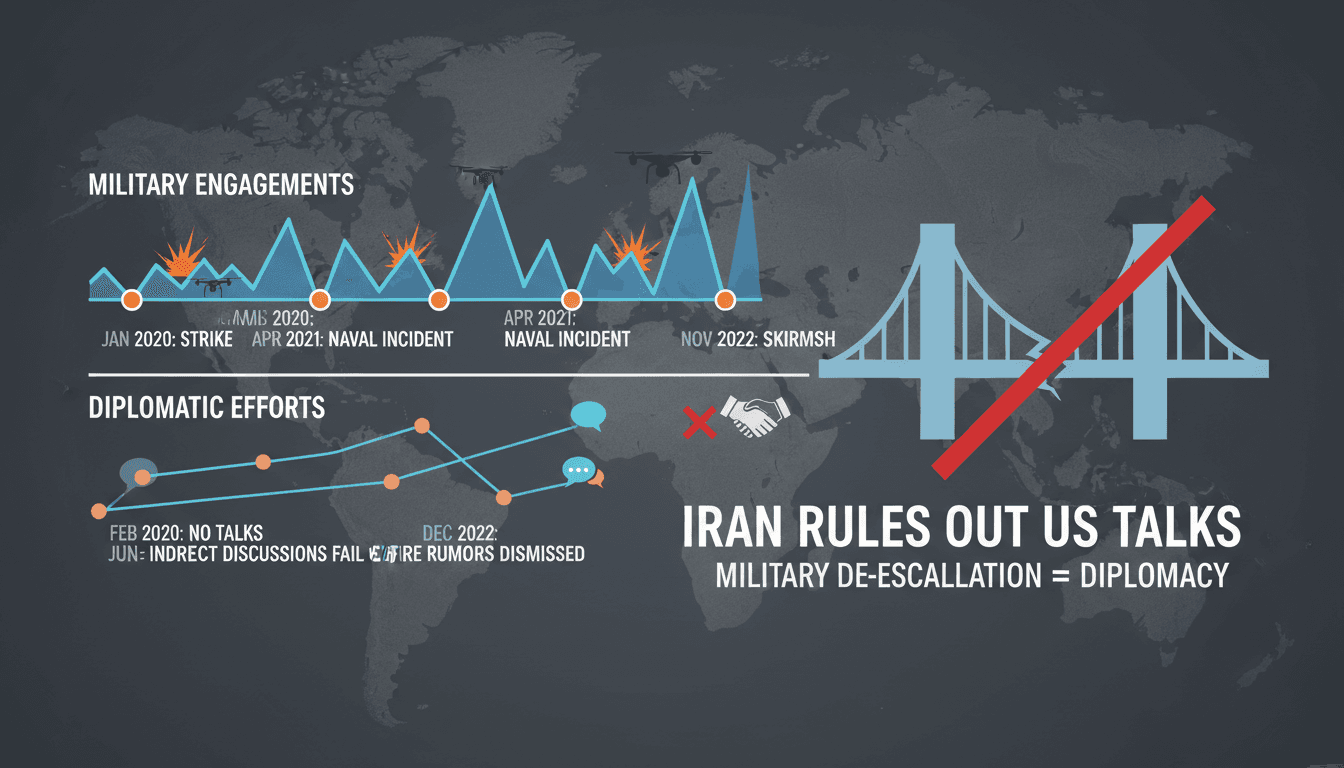
Iran has officially stated that it is not seeking negotiations with the United States, despite a recent halt in military attacks between the two nations. The Iranian Foreign Ministry spokesperson, Esmaeil Baghaei, emphasized that claims of a ceasefire lasting ten days are merely media speculation. This declaration underscores Iran's unwillingness to engage in direct talks with the U.S. at this time.
The backdrop of this announcement is a complex diplomatic landscape, where Iran holds the U.S. accountable for recent military actions against it. While military de-escalation has occurred, the absence of negotiations suggests that underlying tensions remain unresolved.
The Context
The Iranian government’s refusal to negotiate reflects its broader strategy to maintain sovereignty and protect national interests amid ongoing tensions with the U.S. The situation is further complicated by Iran's reliance on intermediaries like Pakistan and Qatar for diplomatic channels, indicating a preference for indirect engagement rather than direct confrontation.
The timing of this announcement is critical, as it follows a series of military incidents that have strained relations between the two nations. The Iranian Foreign Ministry's dismissal of a proposed ceasefire highlights the misunderstandings and mistrust that characterize U.S.-Iran relations.
Takeaway
The lack of negotiations between Iran and the U.S. suggests that both nations will continue to navigate a precarious military and diplomatic landscape. Future interactions may depend on the effectiveness of intermediaries in facilitating dialogue and reducing tensions. Observers should monitor any changes in military engagements and developments in Iran's diplomatic relations with its intermediaries.
Comprehensive coverage of Middle Eastern and global issues.
"Al Jazeera is a prominent voice from the Global South, especially the Middle East, with an emphasis on underreported stories."
— A47 Editor
Iran: Currently no negotiations with the US
Iranian Foreign Ministry Spokesperson Esmaeil Baghaei announced that Iran is not currently seeking negotiations with the United States, indicating a firm stance amid ongoing tensions. This statement reflects Iran's position in the context of strained...
Global business headlines with AI angles.
"General business outlet that frequently covers AI."
— A47 Editor
The U.S. Said it Halted Attacks On Iran To Give Room For Diplomacy. Tehran Says It's Not Pursuing Talks
The U.S. has reportedly halted military attacks on Iran to create space for diplomatic negotiations, but Iranian Foreign Ministry spokesperson Esmaeil Baghaei stated that Iran is not seeking further talks with the U.S. This development follows a peri...
Arabic-language coverage of political affairs and current events.
"Okaz political coverage typically follows mainstream Saudi framing on national and regional affairs."
— A47 Editor
إيران: الحديث عن تهدئة 10 أيام مع أمريكا «تخمينات إعلامية»
Iranian Foreign Ministry spokesman Ismail Baqaei stated that there are currently no direct negotiations with the United States, dismissing reports of a 10-day ceasefire as media speculation. He emphasized that intermediaries, including Pakistan and Q...