
U.S.-Saudi coalition airstrikes in Iraq kill Iranian military advisors
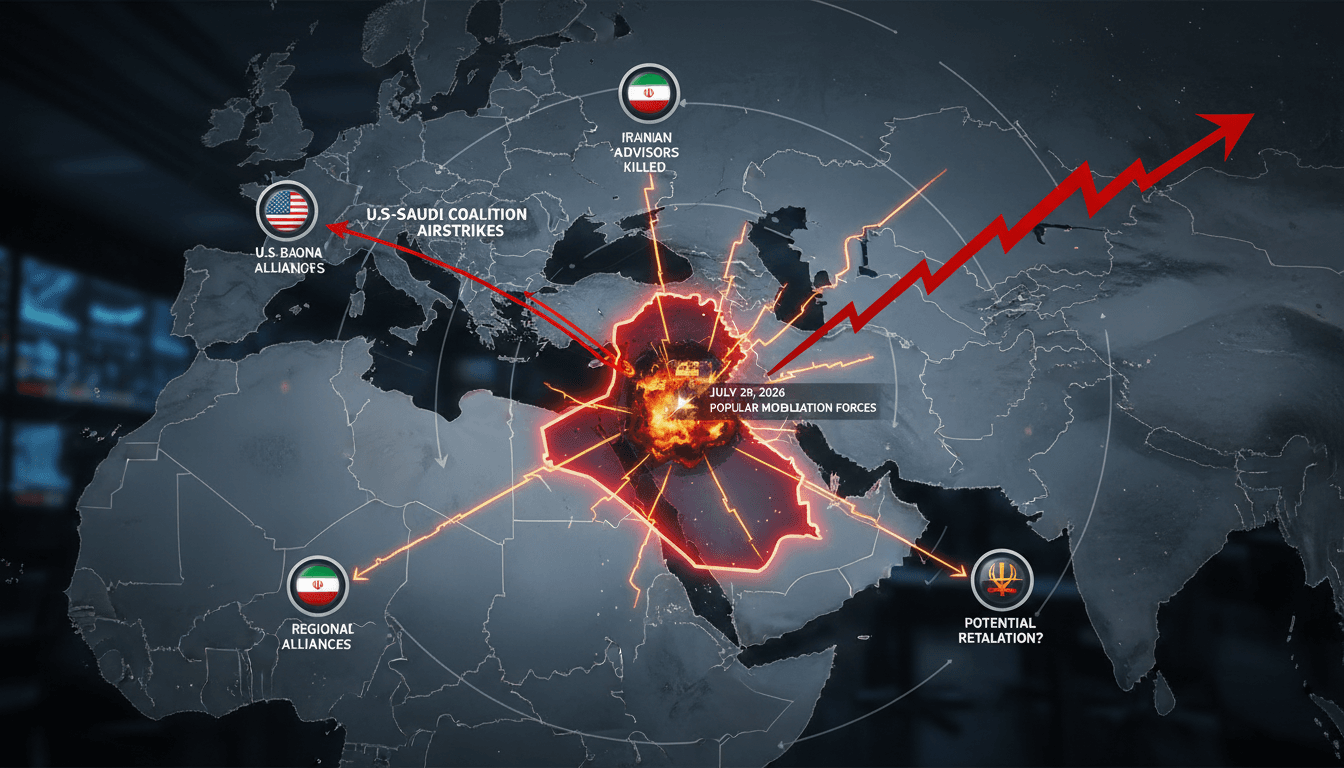
Here's what it means for you.
The recent airstrikes in Iraq underscore the escalating military tensions in the Middle East, particularly involving Iranian forces. This incident could have significant implications for U.S.-Iran relations and the broader geopolitical landscape. Stakeholders in the region, including military and diplomatic entities, will need to closely monitor the situation as it develops.
What happened
On July 29, 2026, airstrikes attributed to a U.S.-Saudi coalition targeted positions in Iraq associated with the Popular Mobilization Forces. These strikes reportedly resulted in the deaths of Iranian military advisors, with estimates of casualties ranging from five to twenty. The attacks occurred in the early hours, marking a significant escalation in military actions within the region.
The Iranian advisors were linked to the Popular Mobilization Forces, a group that has been involved in various military operations in Iraq. The varying reports on the number of casualties highlight the complexities of the situation and the potential for misinformation in conflict zones. This incident raises concerns about the ongoing military presence of Iranian forces in Iraq.
The Context
The airstrikes come amid heightened tensions between the U.S.-Saudi coalition and Iran, reflecting the ongoing complexities of regional security dynamics. The Popular Mobilization Forces have been a significant player in Iraq's military landscape, often aligned with Iranian interests. The timing of these strikes suggests a strategic move by the coalition to counter Iranian influence in the region.
As the situation evolves, the potential for retaliatory actions from Iran could further complicate the already volatile dynamics in the Middle East. The involvement of multiple stakeholders, including regional powers and international actors, adds layers of complexity to the conflict. Understanding these relationships is crucial for assessing future developments.
Takeaway
Looking ahead, the potential for an Iranian response to the airstrikes is a key factor to watch. Such a response could escalate tensions further and impact U.S.-Saudi military operations in Iraq. Observers should remain vigilant regarding any diplomatic or military maneuvers that may arise in the aftermath of this incident.
The situation necessitates close monitoring, as the implications of these airstrikes could reverberate throughout the region. Stakeholders will need to navigate the delicate balance of power and influence in the Middle East as developments unfold.
Arabic-language coverage of international news and geopolitics.
"RT Arabic is a Russian state-funded outlet often criticized for promoting Kremlin-aligned narratives."
— A47 Editor
مسؤول أمريكي: مقتل نحو 20 مستشارا إيرانيا في الضربات الأمريكية السعودية بالعراق
According to an unnamed American official cited by The New York Times, U.S.-Saudi airstrikes in Iraq have resulted in the deaths of approximately 20 Iranian advisors. This incident highlights the ongoing military tensions in the region and the involv...
Arabic-language coverage of international news and geopolitics.
"RT Arabic is a Russian state-funded outlet often criticized for promoting Kremlin-aligned narratives."
— A47 Editor
العراق.. مقتل 5 مستشارين إيرانيين في قصف أمريكي سعودي على مقار للحشد الشعبي (صورة)
On Wednesday, reports indicated that five Iranian advisors affiliated with the Popular Mobilization Forces (PMF) were killed in U.S.-Saudi airstrikes targeting their facilities in Iraq during the early hours. This incident highlights the ongoing tens...
Pan-Arab news coverage spanning politics, business, sports, and regional affairs.
"Asharq Al-Awsat reflects a broad Arab editorial perspective with strong attention to regional geopolitics."
— A47 Editor
مصادر غربية تتحدث عن مقتل ستة مستشارين إيرانيين
Western sources have reported that initial information from Iraq indicates that six Iranian military advisors were killed in an airstrike in the Amerli area. This incident highlights ongoing tensions and military actions in the region, particularly i...