
U.S. military considers cellphone restrictions for troops amid social media security concerns
Here's what it means for you.
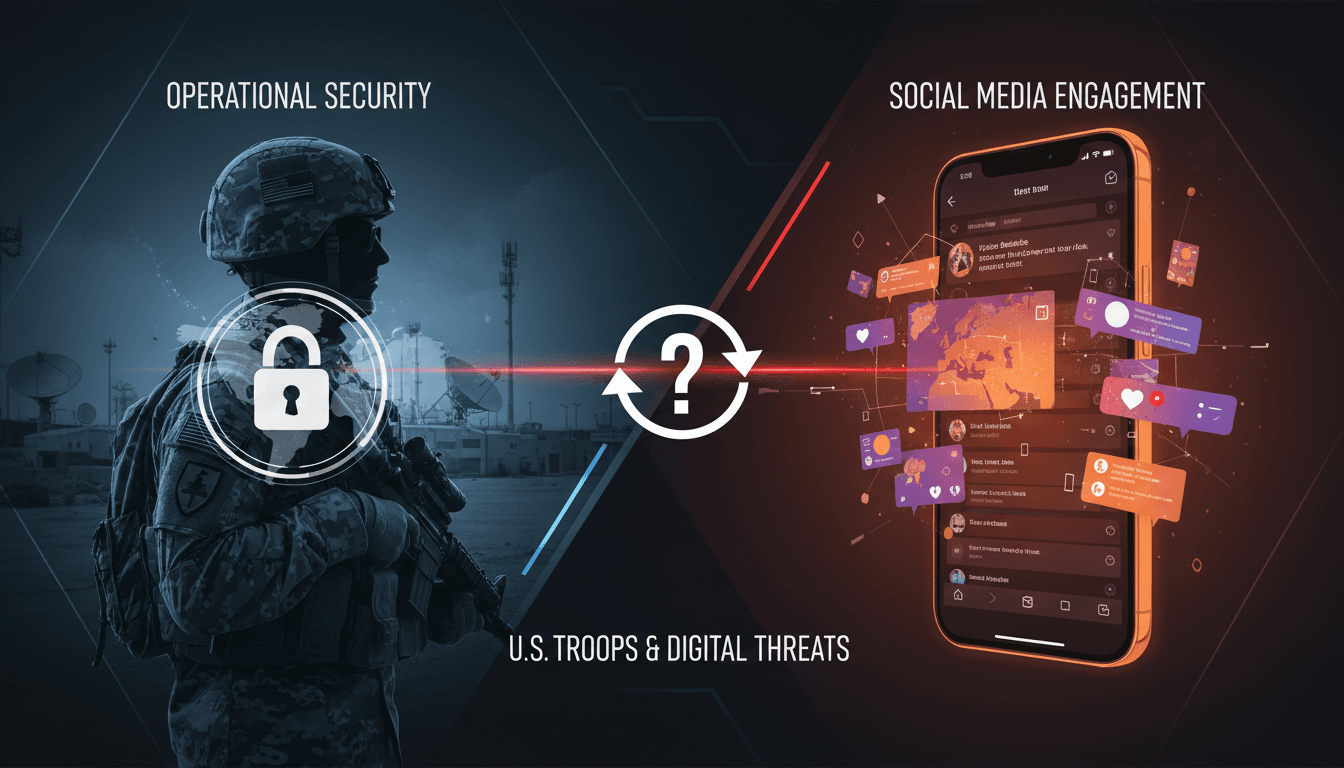
The U.S. military's potential move to restrict cellphone usage among troops underscores a growing concern over operational security in an era dominated by social media. As personnel share their experiences online, they inadvertently expose sensitive information that could be exploited by adversaries like Iran. This shift may lead to significant changes in communication protocols, impacting how troops interact with the outside world while deployed. The implications of these restrictions extend beyond individual privacy, affecting the broader landscape of military operations and public engagement. As the military navigates the balance between real-time communication and security, the stakes for personnel safety and mission integrity are higher than ever.
What happened
U.S. military officials have issued warnings to troops regarding the risks associated with their social media activity, which could compromise their safety. As a result, there are discussions about potentially ordering personnel to surrender their cellphones to enhance operational security. This move reflects a growing recognition of the dangers posed by open-source intelligence that can be leveraged by adversaries.
Adm. Brad Cooper has specifically highlighted how social media posts provide Iran with near-real-time assessments of U.S. military activities. The potential crackdown on mobile communications could affect thousands of troops stationed in the Middle East, raising concerns about the balance between operational security and the need for personal communication.
The Context
The current situation arises amid escalating tensions between the U.S. and Iran, with military officials increasingly wary of the implications of social media use by troops. The conflict between the need for real-time news coverage and the imperative of operational security is intensifying, prompting a reevaluation of communication practices.
Adm. Brad Cooper's warning serves as a critical reminder of the risks associated with open-source intelligence, which can inadvertently aid adversaries in targeting American forces. As the military considers these changes, the stakes for personnel safety and mission success are paramount, necessitating a careful approach to communication protocols.
Takeaway
Looking ahead, the U.S. military's approach to communication and operational security is likely to evolve in response to emerging threats from adversaries. Potential changes in communication policies for troops in the Middle East will be closely monitored, as they could significantly impact how personnel engage with the public and share their experiences.
Further developments in U.S.-Iran tensions will also play a crucial role in shaping military operations and communication strategies. As the situation unfolds, the military's commitment to safeguarding its personnel while maintaining effective communication will be tested.
U.S. political news and right-leaning commentary.
"Fox News is a highly influential conservative news outlet known for right-leaning political commentary and coverage."
— A47 Editor
Iran mines US troops' social media as military considers seizing cellphones
Adm. Brad Cooper has raised concerns that social media posts by US troops are being exploited by Iran to conduct near-real-time assessments of battle damage, potentially endangering American lives. The military is considering measures such as seizing...
Regional coverage and analysis focused on politics, diplomacy, and business across the Middle East.
"Al-Monitor is known for analytical reporting on Middle East politics and policy developments."
— A47 Editor
Exclusive-US commander warns troops their videos help Iran, sources say
The top U.S. commander for the Middle East, Admiral Brad Cooper, has issued a warning to troops that sharing cellphone videos online may assist Iran in targeting American military bases, potentially leading to orders for personnel to surrender their ...
Arabic-language coverage of political affairs and current events.
"Okaz political coverage typically follows mainstream Saudi framing on national and regional affairs."
— A47 Editor
قائد أمريكي يحذّر: نشر مقاطع فيديو يساعد إيران على استهداف قواعدنا
Admiral Brad Cooper, the head of U.S. Central Command, warned troops that the sharing of mobile phone videos online could assist Iran in targeting U.S. bases. Reports indicate that some military personnel in the region may soon be ordered to surrende...