
U.S. Military Warns Troops Against Sharing Videos Amid Iranian Targeting Risks
Here's what it means for you.
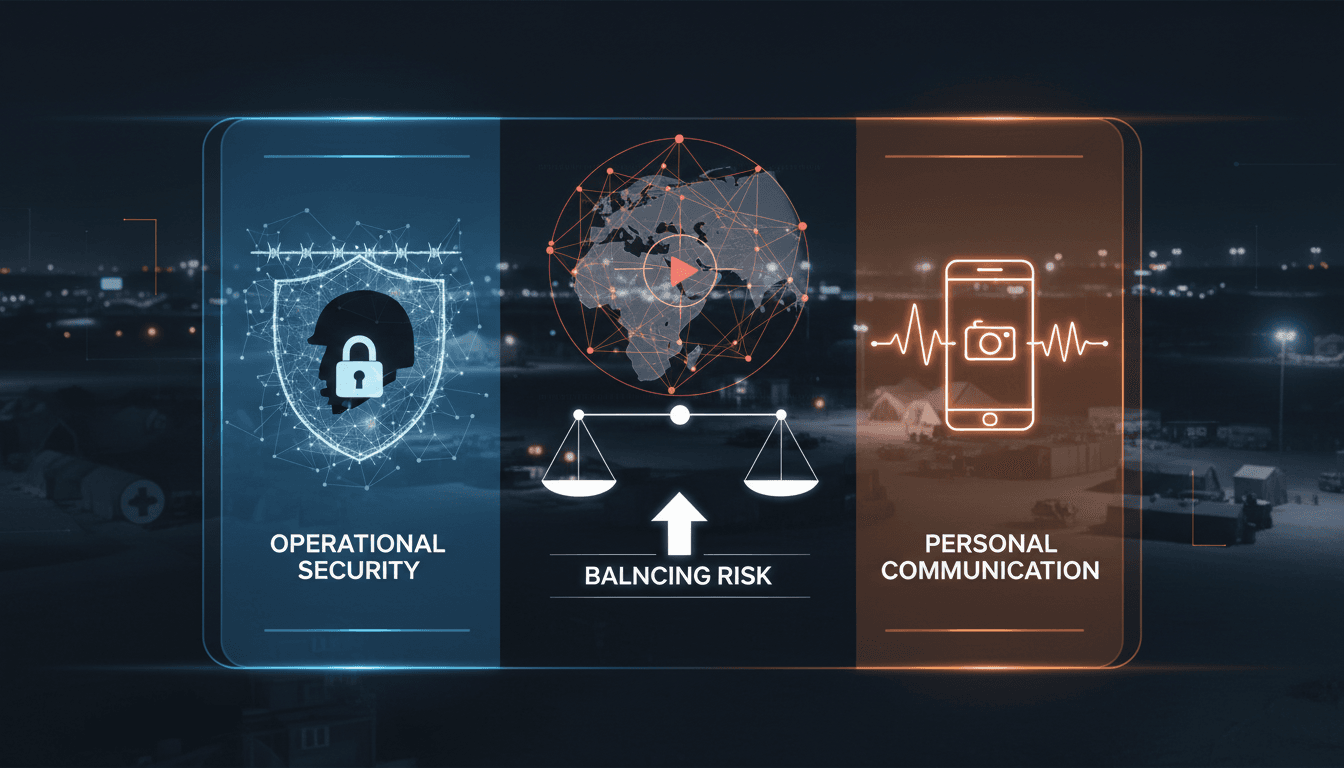
The U.S. military's warning to troops about sharing cellphone videos underscores the heightened risks associated with operational security in conflict zones. As tensions with Iran escalate, the potential for compromised safety increases, prompting a reevaluation of communication practices among military personnel. This situation may lead to stricter policies regarding personal devices, impacting how troops maintain contact with their families. The balance between personal communication and operational security is critical, especially in volatile regions. The military's approach to these challenges will shape future protocols and the overall safety of deployed personnel.
What happened
The top U.S. commander in the Middle East, Admiral Brad Cooper, has issued a warning to troops about the risks of sharing cellphone videos online. This caution stems from concerns that such actions could assist Iran in identifying U.S. military locations, thereby compromising troop safety. As a result, discussions are underway regarding the potential requirement for some personnel to surrender their phones to enhance operational security.
Reports indicate that troops stationed in Jordan have been informed about the possibility of phone confiscation. This development highlights the urgency of the situation, as the military seeks to mitigate risks associated with shared digital content.
The Context
The warning from Admiral Cooper reflects the ongoing tensions between the U.S. and Iran in the region, where military operations are increasingly scrutinized. Many U.S. troops rely on mobile phones for communication with family, complicating the implementation of security measures. The potential order to surrender phones signifies a significant shift in operational security protocols, emphasizing the military's commitment to safeguarding personnel.
As the situation evolves, the military must navigate the delicate balance between ensuring the safety of its troops and allowing them to maintain personal connections. This dynamic is crucial in a region marked by instability and potential threats.
Takeaway
Looking ahead, the U.S. military may implement stricter communication protocols to protect troops from Iranian targeting efforts. Observers should monitor developments regarding U.S. troop communications in the Middle East, particularly any changes in military policy concerning personal devices. The military's response to these challenges will be pivotal in shaping future operational security measures.
As the situation unfolds, the focus will remain on finding effective solutions that prioritize both troop safety and the need for personal communication in a challenging environment.
Arabic-language coverage of international news and geopolitics.
"RT Arabic is a Russian state-funded outlet often criticized for promoting Kremlin-aligned narratives."
— A47 Editor
مخاوف أمنية تدفع الجيش الأمريكي للتفكير بمصادرة هواتف جنوده في الشرق الأوسط
The U.S. Central Command has warned its troops stationed in the Middle East that videos shared on social media could assist Iran in pinpointing the locations of American bases and targeting them. This concern has led to discussions within the U.S. mi...
Regional coverage and analysis focused on politics, diplomacy, and business across the Middle East.
"Al-Monitor is known for analytical reporting on Middle East politics and policy developments."
— A47 Editor
Exclusive-US commander warns troops their videos help Iran, sources say
The top U.S. commander for the Middle East, Admiral Brad Cooper, has issued a warning to troops that sharing cellphone videos online may assist Iran in targeting American military bases, potentially leading to orders for personnel to surrender their ...
Pan-Arab news coverage spanning politics, business, sports, and regional affairs.
"Asharq Al-Awsat reflects a broad Arab editorial perspective with strong attention to regional geopolitics."
— A47 Editor
قائد «سنتكوم» يحذر قواته من مقاطع فيديو تساعد إيران
The commander of CENTCOM has issued a warning to U.S. soldiers regarding the potential risks posed by videos filmed on mobile devices and shared online, which could assist Iran in targeting American bases. This caution highlights the increasing conce...
Arabic-language coverage of political affairs and current events.
"Okaz political coverage typically follows mainstream Saudi framing on national and regional affairs."
— A47 Editor
قائد أمريكي يحذّر: نشر مقاطع فيديو يساعد إيران على استهداف قواعدنا
Admiral Brad Cooper, the head of U.S. Central Command, warned troops that the sharing of mobile phone videos online could assist Iran in targeting U.S. bases. Reports indicate that some military personnel in the region may soon be ordered to surrende...