
Venezuela summons Iranian ambassador amid diplomatic tensions
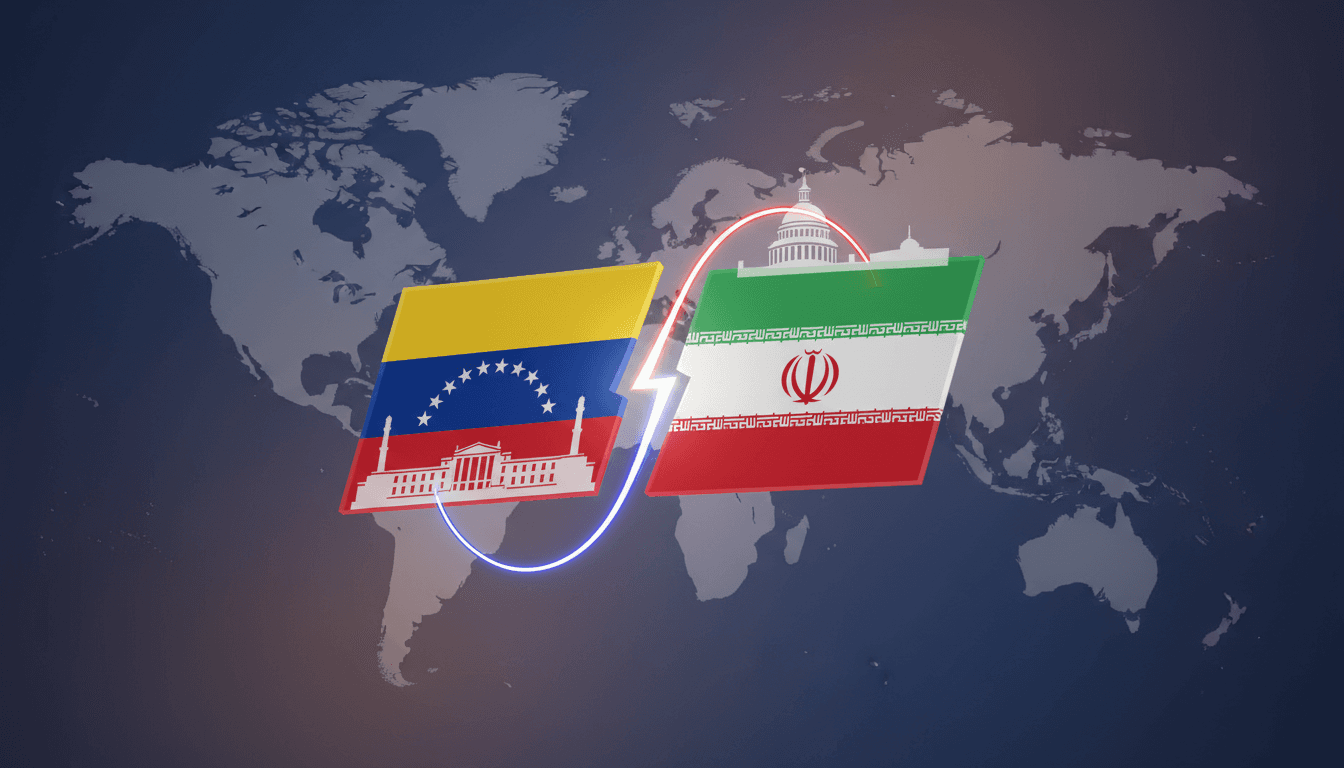
Here's what it means for you.
The recent diplomatic rift between Venezuela and Iran could have significant implications for both nations' foreign relations. As Venezuela approaches potential political changes, its alliances may shift, particularly with the United States. This incident highlights the fragility of international partnerships and the impact of individual statements on bilateral ties.
What happened
Venezuela's government summoned the Iranian ambassador on July 29, 2026, following inappropriate remarks made by Iranian Foreign Minister Abbas Araqchi. The comments, which included a statement implying that "Iran is not Venezuela," were deemed offensive and prompted a formal protest from Venezuela. This incident marks a notable diplomatic rift between the two nations, which have historically maintained a close political and economic alliance.
The tensions arise as Venezuela prepares for negotiations for a new government set to begin on August 1, 2026. The fallout from Araqchi's remarks could influence the direction of Venezuela's foreign policy and its relationships with other countries, particularly the United States.
The Context
Venezuela and Iran have been allies since the presidency of Hugo Chavez, collaborating across various sectors, including energy, mining, and health. The longstanding partnership has been characterized by mutual support, especially during times of economic hardship. However, Araqchi's comments have introduced a strain in this relationship, raising questions about the future of their alliance.
The timing of this diplomatic incident is critical, as Venezuela is on the brink of potential political changes that could reshape its foreign relations landscape. The sensitivity of international relations is underscored by this event, illustrating how individual statements can significantly impact bilateral ties.
Takeaway
As Venezuela navigates the upcoming government negotiations, the implications of this diplomatic crisis could lead to a realignment of its foreign alliances. Observers should monitor how Venezuela's relations with the United States evolve in response to these tensions with Iran. The outcome of the negotiations beginning on August 1 will be pivotal in determining the future trajectory of Venezuela's foreign policy.
Arabic-language coverage of political affairs and current events.
"Okaz political coverage typically follows mainstream Saudi framing on national and regional affairs."
— A47 Editor
تصريحات عراقجي تشعل أزمة دبلوماسية بين فنزويلا وإيران
The Venezuelan government summoned the Iranian ambassador in Caracas and delivered a formal protest note following remarks made by Iranian Foreign Minister Abbas Araqchi, which were deemed inappropriate and offensive to Venezuelan institutions and au...
Regional and international reporting focused on Middle Eastern politics, diplomacy, and economics.
"Asharq Al-Awsat is a Saudi-owned international newspaper reflecting mainstream Gulf political perspectives."
— A47 Editor
Venezuela Summons Ambassador of Iran Over ‘Inappropriate’ Remarks
Venezuela has summoned the Iranian ambassador following remarks deemed inappropriate, reflecting rising tensions between the two nations. This diplomatic action underscores Venezuela's sensitivity to perceived insults from foreign officials, particul...
Pan-Arab news coverage spanning politics, business, sports, and regional affairs.
"Asharq Al-Awsat reflects a broad Arab editorial perspective with strong attention to regional geopolitics."
— A47 Editor
كراكاس تستدعي السفير الإيراني عقب تصريحات «مهينة»
Caracas summoned the Iranian ambassador to Venezuela on Tuesday following statements made by Tehran that were deemed 'offensive and inappropriate.' This diplomatic action highlights the tensions between Venezuela and Iran over recent remarks.