
Iran threatens retaliation against US following military strikes
What happened
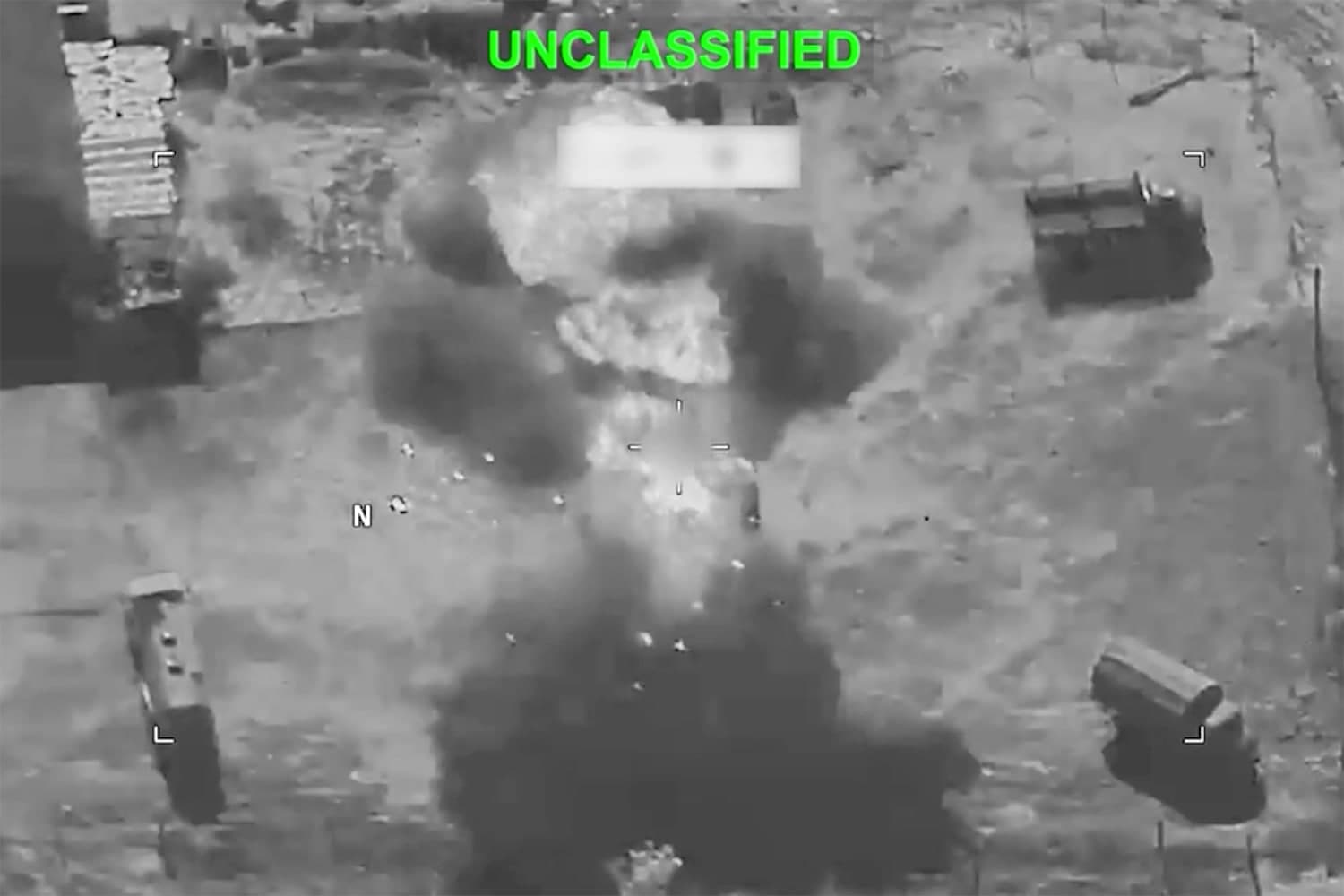
Iran has issued a strong warning to the United States, pledging to "punish" it following a series of U.S. retaliatory strikes against Iranian positions. This escalation comes after Iranian missile attacks targeted American forces in the Middle East, marking a significant increase in hostilities between the two nations. The U.S. strikes were described as a "heavy wave" of retaliation, indicating a robust military response to the provocations.
In the wake of these strikes, Iran's Revolutionary Guard has explicitly stated its intention to retaliate against the U.S. and its allies in the Gulf. This exchange of military actions highlights the deteriorating relationship between the two countries and raises concerns about the potential for further conflict.
The Context
The recent military exchanges are part of a broader pattern of escalating tensions between the U.S. and Iran, which have been fraught with conflict for years. The timing of these events is critical, as they coincide with ongoing geopolitical struggles in the region. Iran's threats extend beyond the U.S., targeting Gulf nations that support American military actions, which could complicate the regional security landscape.
The situation is further complicated by the involvement of various stakeholders, including U.S. allies in the Gulf, who may find themselves drawn into the conflict. As both sides prepare for potential further escalations, the international community is closely monitoring the situation for any signs of de-escalation or additional military actions.
Takeaway
The current volatility in U.S.-Iran relations suggests that further military engagement is possible, with significant implications for regional stability. Observers should monitor Iranian responses to U.S. military actions, as well as developments in U.S.-Gulf relations amid the ongoing conflict. The potential for escalation remains high, and any new developments could impact not only the immediate region but also global security dynamics.
As tensions rise, the international community will be watching closely for any signs of de-escalation or additional military actions that could further complicate the situation. The outlook remains uncertain, with both sides poised for potential confrontation.
International coverage from The Guardian's global desks.
"The Guardian is known for its progressive editorial stance and in-depth analysis."
— A47 Editor
Iraq says it had ‘no prior knowledge’ of US-Saudi attacks – as it happened
Iraq has stated it had 'no prior knowledge' of the recent US-Saudi airstrikes targeting Iran-backed militias in Iraq, which occurred on July 29, 2026. This development follows a series of escalating tensions in the region, including missile attacks o...
Capitol Hill news, legislation, and policy insight.
"The Hill specializes in U.S. politics and policy, with a focus on Capitol Hill developments and a reputation for insider reporting."
— A47 Editor
Iran threatens to 'punish the aggressor' after US launches retaliatory strikes
Iran has issued a stern warning to the United States, threatening to 'punish the aggressor' following a series of U.S. airstrikes described as a 'heavy wave of strikes' in retaliation for missile attacks on American forces in the Middle East. The Ira...
Breaking news, politics, business, and entertainment from the U.S. and around the world.
"The New York Post is a tabloid-format newspaper known for its sensationalist headlines and conservative-leaning editorial tone."
— A47 Editor
IRGC warns ‘aggressor’ will be ‘punished’ as Iran hits Jordan, Kuwait
Iran's Islamic Revolutionary Guard Corps (IRGC) issued a warning that the 'aggressor will be punished today,' following missile strikes on U.S. forces in Jordan and Kuwait. This escalation marks a significant increase in hostilities in the region, pa...
Global business headlines with AI angles.
"General business outlet that frequently covers AI."
— A47 Editor
The U.S. Followed Through On Its Threat To Strike Iran. Tehran Is Now Vowing To 'Punish' Washington
The United States has executed a series of military strikes against Iran, prompting Tehran to declare its intent to 'punish' Washington for these actions. This escalation marks a significant increase in hostilities, following a period of reduced tens...
National headlines across the United States including breaking stories and societal issues.
"NBC News is a mainstream media outlet known for comprehensive national and international news coverage with a centrist to slightly left-leaning editorial tone."
— A47 Editor
Iran vows to ‘punish the aggressor today’ after U.S. unleashes ‘heavy wave’ of strikes
Iran has vowed to retaliate against the United States following a series of airstrikes conducted by the U.S. military, described as a 'heavy wave of strikes' in response to an Iranian missile attack on U.S. forces in the Middle East. This escalation ...
Comprehensive coverage of global events, politics, and international issues.
"NBC News is a mainstream outlet known for comprehensive national and international coverage with a centrist to slightly left-leaning editorial tone."
— A47 Editor
Iran vows to ‘punish the aggressor today’ after U.S. unleashes ‘heavy wave’ of strikes
Iran has pledged to retaliate against the United States following a series of heavy airstrikes launched by the U.S. military in response to missile attacks targeting American forces in Jordan. This escalation marks a significant increase in hostiliti...