
Saudi Arabia conducts air strikes in Iraq against Iran-backed militias
What happened
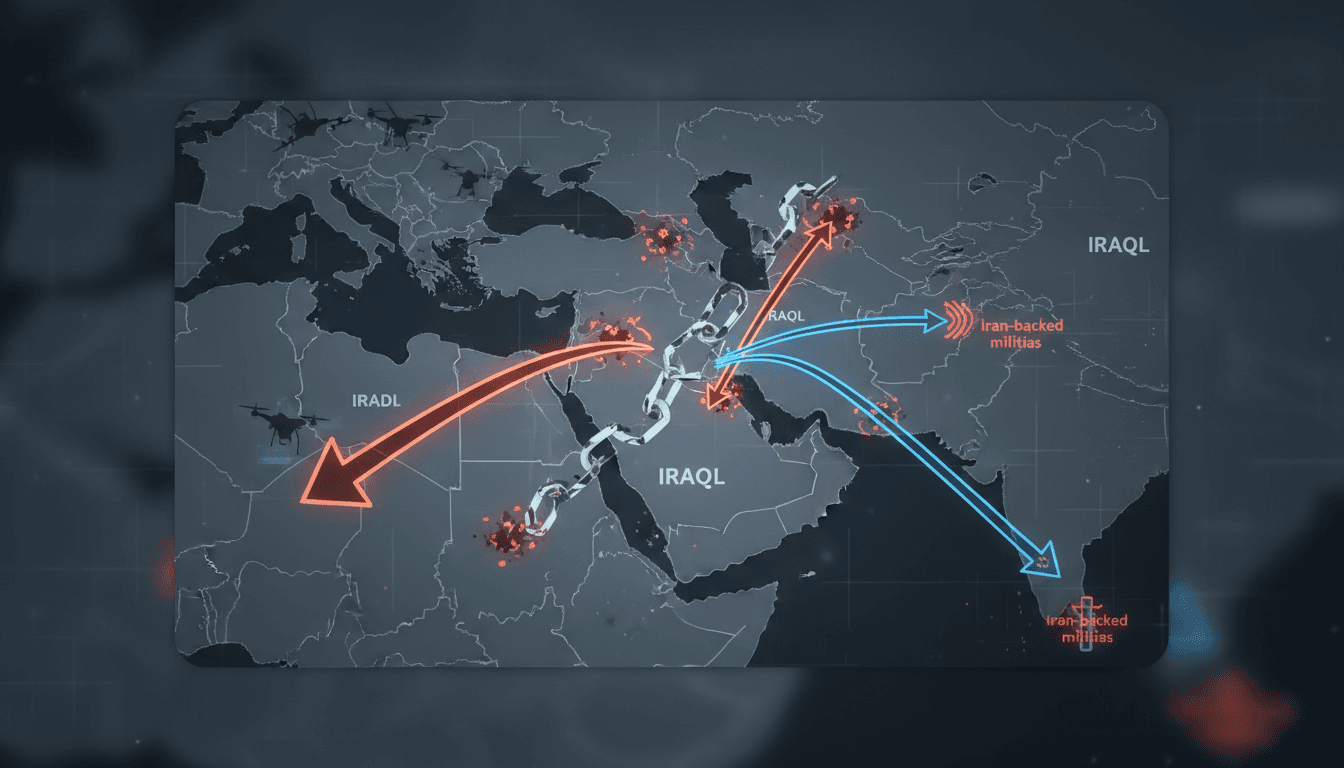
Saudi Arabia has launched air strikes in Iraq targeting Iran-backed militias that have been responsible for attacks on its territory. This military operation is a response to recent drone attacks on Saudi oil facilities, marking a significant escalation in Saudi Arabia's military engagement. The strikes were coordinated with the US Central Command (CENTCOM) and represent the first time Saudi Arabia has actively participated in military strikes against Iranian-affiliated groups in Iraq.
Saudi officials have clarified that the strikes were aimed specifically at militia capabilities and not at the Iraqi government or its people. This operation underscores Saudi Arabia's commitment to protecting its national security and economic infrastructure from ongoing threats.
The Context
The air strikes come after a period of restraint by Saudi Arabia, which had previously sought to address regional tensions through diplomatic means. The decision to engage militarily reflects a growing frustration with Iranian influence and the actions of its allied militias in Iraq. The strikes targeted military warehouses linked to the drone attacks, indicating a calculated approach to neutralize specific threats.
This military action is significant not only for Saudi Arabia but also for the broader geopolitical landscape in the Middle East. As tensions rise, the international community is likely to scrutinize the implications for Saudi-Iraqi relations and the potential for retaliatory actions from Iran and its proxies.
Takeaway
The escalation in military action suggests a potential shift in Saudi Arabia's foreign policy towards a more aggressive stance against Iranian influence in the region. Observers should monitor the response from Iran and its allied militias in Iraq, as well as any changes in diplomatic relations between Saudi Arabia and Iraq following these strikes. The situation may lead to further military engagements and a reevaluation of alliances in the region.
As the dynamics evolve, the international community will be watching closely for any retaliatory actions from Iran and the implications for regional stability. The outcome of this military operation could set the tone for future interactions between Saudi Arabia and its neighbors.
European coverage of Middle East politics and security issues.
"France 24 offers international reporting with a European editorial perspective."
— A47 Editor
Why did Riyadh join US strikes on Tehran's allies in Iraq?
Saudi Arabia has joined the United States in conducting airstrikes against Iran-backed militias in Iraq, marking a notable shift in Riyadh's approach after a period of restraint. This military action, which occurred on July 29, 2026, is framed by Sau...
Coverage of current events and conflicts in the Middle East.
"France 24 is viewed as a globally focused outlet with balanced coverage and a European perspective."
— A47 Editor
Why did Riyadh join US strikes on Tehran's allies in Iraq?
Saudi Arabia has joined the United States in conducting airstrikes against Iran-backed militias in Iraq, marking a notable shift in Riyadh's approach after a period of restraint. This military action, which occurred on July 29, 2026, is framed by Sau...
English-language reporting on Saudi politics, policy, and society.
"Saudi Gazette reflects mainstream Saudi institutional perspectives."
— A47 Editor
Saudi source says Iraq strikes targeted Iran-backed militias, not Iraqi state
A senior Saudi official stated that recent military strikes in Iraq were specifically aimed at Iran-backed militias responsible for attacks on Saudi Arabia, rather than targeting the Iraqi government or its citizens. The strikes were conducted after ...
English-language reporting focused on Saudi Arabia and regional affairs.
"Saudi Gazette provides English-language coverage that often aligns with mainstream Saudi news priorities."
— A47 Editor
Saudi source says Iraq strikes targeted Iran-backed militias, not Iraqi state
A senior Saudi official stated that recent military strikes in Iraq were specifically aimed at Iran-backed militias responsible for attacks on Saudi Arabia, rather than targeting the Iraqi government or its citizens. The strikes were conducted after ...
Arabic-language coverage of political affairs and current events.
"Okaz political coverage typically follows mainstream Saudi framing on national and regional affairs."
— A47 Editor
مصدر سعودي: الضربات استهدفت المليشيا الإرهابية وليست ضد العراق وحكومته
A Saudi official confirmed that recent strikes targeted Iranian-backed terrorist militias in Iraq, clarifying that these actions were not aimed at the Iraqi government or its people. The strikes focused on military storage facilities linked to threat...
UAE-based English-language newspaper covering regional politics, economics, and global affairs.
"The National reflects Emirati policy perspectives while maintaining international editorial standards."
— A47 Editor
What the US-Saudi strikes on Iran-affiliated militias in Iraq reveal about the wider war
On July 29, 2026, the United States and Saudi Arabia conducted coordinated airstrikes against Iran-backed militias in Iraq, resulting in at least 20 militant deaths, including several Iranians. This military action was a direct response to escalating...