
Gaza ceasefire negotiations stall amid Israeli objections and military operations
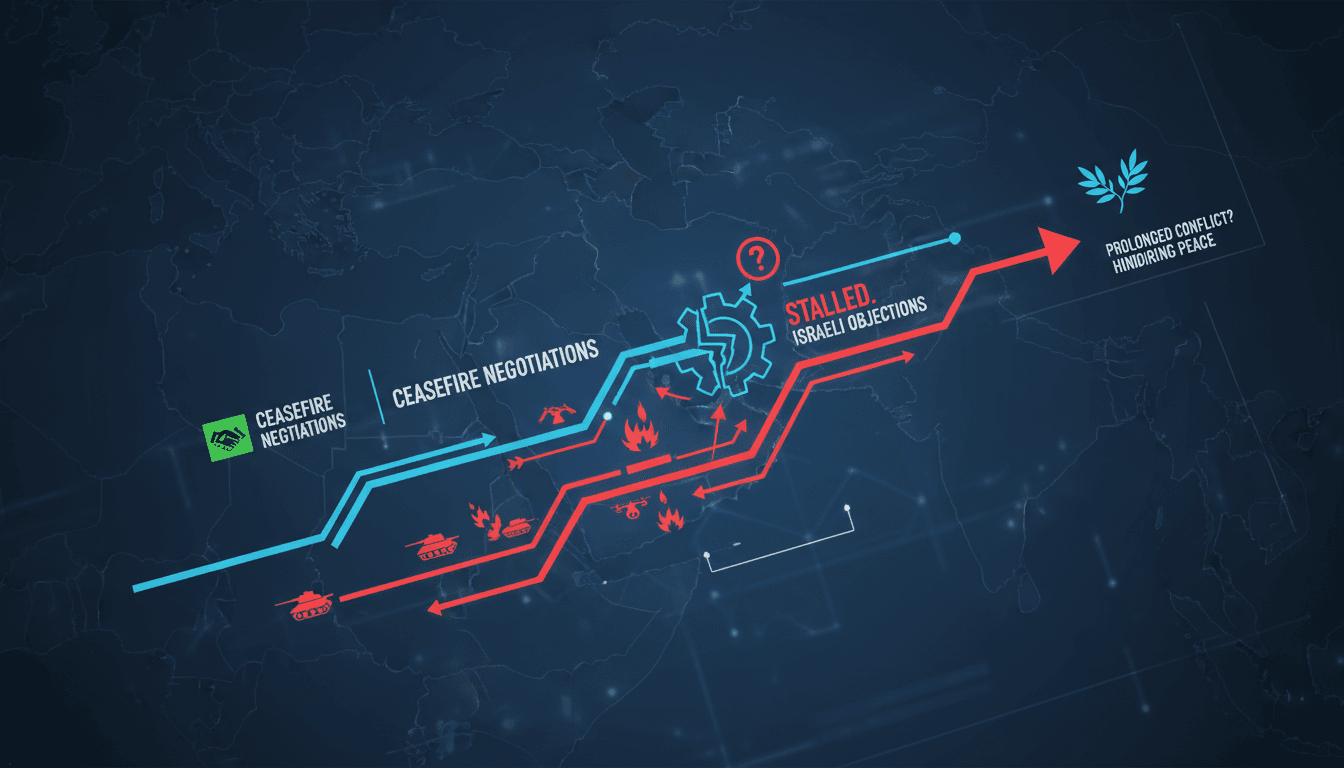
What happened
Negotiations regarding the second phase of the ceasefire agreement in Gaza have encountered significant delays. Israeli objections to the proposed terms have been a primary factor in this stall, particularly concerning the disarmament of Hamas and other factions. As a result, Egypt has postponed a crucial meeting of mediators to next week, further complicating the path forward.
Hamas has reiterated its commitment to the ceasefire but is currently awaiting clarification on the agreements. The ongoing military operations by Israel in various areas of Gaza continue to create a tense atmosphere, making it difficult for all parties to reach a consensus.
The Context
The situation in Gaza is marked by a complex interplay of local and international interests. Israel's concerns over Hamas's disarmament are central to the negotiations, as the country seeks to ensure its security. Egypt plays a pivotal role as a mediator, facilitating discussions between the involved parties, but the postponement of meetings indicates significant disagreements that need to be resolved.
The timing of these negotiations is critical, as the potential for further military escalations from Israel looms large. The lack of clarity surrounding the ceasefire terms has left Hamas and Palestinian factions in a state of uncertainty, which could hinder progress toward lasting peace in the region.
Takeaway
The ongoing tensions and disagreements surrounding the ceasefire negotiations may prolong the conflict in Gaza if not resolved promptly. The upcoming meeting in Cairo will be crucial in determining the future of the ceasefire and the stability of the region. Stakeholders should remain vigilant as the situation evolves, particularly regarding Israel's military actions in response to the stalled negotiations.
As the parties await further details on the ceasefire terms, the potential for escalation remains a pressing concern. The outcome of these discussions will significantly impact the humanitarian situation and the broader geopolitical landscape.
Arabic-language reporting on global and regional news.
"BBC Arabic is part of the BBC, generally regarded for editorial standards and broad international coverage."
— A47 Editor
من اتفاق وشيك إلى خلافات جديدة.. لماذا تعثر مسار الانتقال إلى المرحلة الثانية في غزة؟
Negotiations regarding Gaza have returned to a more complex phase, marked by Israeli reservations about the draft agreement and ongoing airstrikes targeting various areas within the territory. Disputes have resurfaced concerning the implementation of...
Arabic political reporting and analysis.
"Arabic Post is a digital outlet focused on politics and regional affairs."
— A47 Editor
اتفاق غزة: إرجاء اجتماع للوسطاء في القاهرة إلى الأسبوع المقبل، وتجهيز لجنة الإدارة لدخول القطاع تدريجياً
Egypt has postponed a scheduled meeting for mediators in Cairo to next week, following a setback in the transition to the second phase of the ceasefire agreement in Gaza. This delay is attributed to Israel's objections to the understandings reached b...
Jordanian news and regional updates.
"Roya News is a Jordanian outlet focused on breaking news and local affairs."
— A47 Editor
حماس: نلتزم بتطبيق المرحلة الثانية من وقف إطلاق النار في غزة وننتظر توضيحا بشأن ما تم الاتفاق عليه
A responsible source in Hamas confirmed the movement's commitment to implementing the second phase of the ceasefire in Gaza, while awaiting clarification on the agreements reached.