
Romania conducts controlled explosion in Danube to secure nuclear power amid drought
What happened
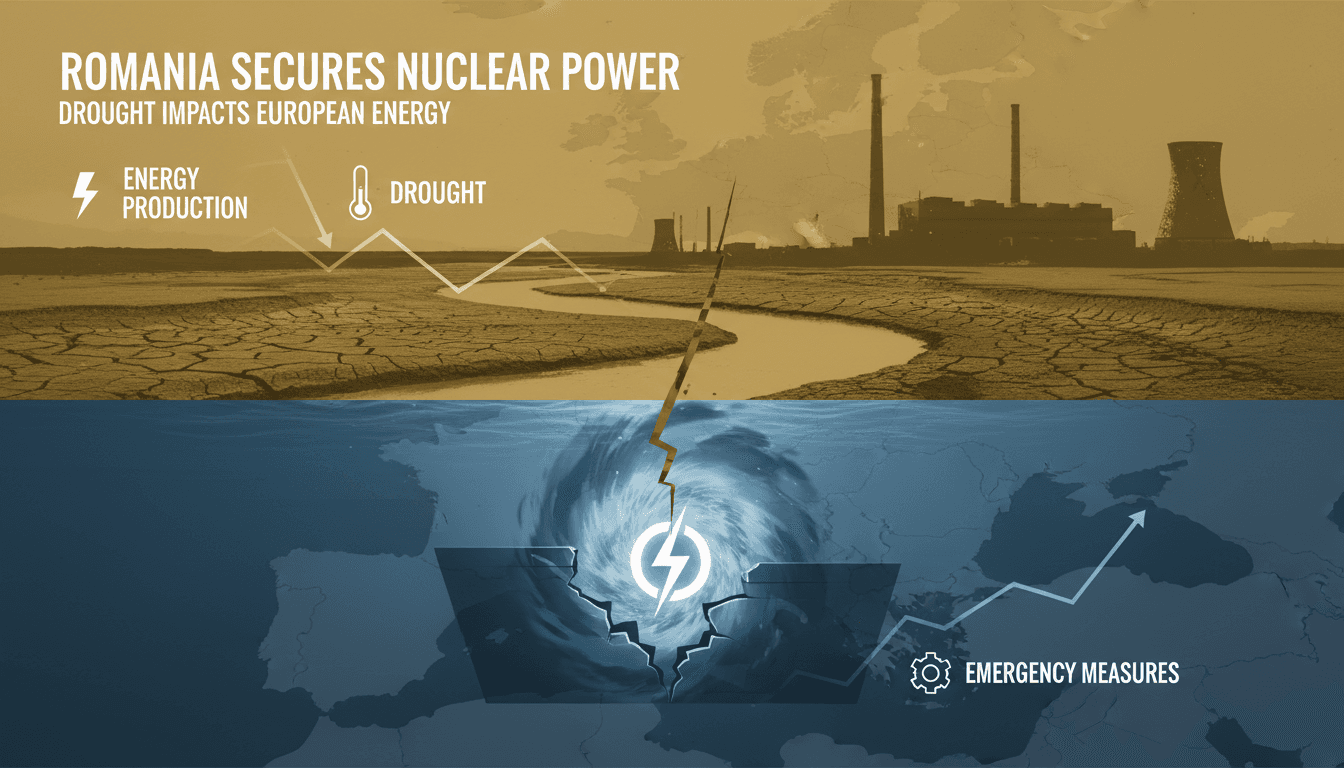
Romania's naval forces executed a controlled explosion in the Danube riverbed to redirect water to the Cernavoda Nuclear Power Plant. This operation was necessitated by severe drought conditions that have resulted in record-low river levels, impacting electricity production in both Romania and Hungary. The explosion involved the use of 180 kilograms of explosives to dislodge a rock obstructing water flow, illustrating the scale of intervention required to address the energy crisis.
The action was part of a broader response to a nationwide state of emergency declared by Romania in August due to declining electricity production. As the last operational nuclear reactor in Romania, the Cernavoda plant's functionality is critical for the country's energy supply.
The Context
The energy crisis in southeastern Europe is exacerbated by unprecedented drought conditions, which have led to significantly reduced water levels in the Danube. This situation has forced both Romania and Hungary to scale back nuclear power output, raising concerns about energy reliability in the region. The controlled explosion reflects the urgent measures being taken to secure energy supplies amid these challenges.
Romania's decision to intervene militarily highlights the gravity of the situation, as the country seeks to maintain its energy production capabilities. The ongoing drought has prompted discussions about the need for sustainable energy solutions and potential policy reforms to adapt to climate-related challenges.
Takeaway
Looking ahead, the ongoing drought and energy crisis may lead to further emergency measures across southeastern Europe. Stakeholders will likely monitor developments in energy production closely, as countries assess their vulnerabilities and explore policy changes in response to the crisis. The situation serves as a reminder of the urgent need for sustainable energy strategies to mitigate the impacts of climate change.
As the region navigates these challenges, the focus will be on ensuring reliable energy supplies while adapting to the changing climate. The outcomes of this crisis may shape future energy policies and collaborative efforts among neighboring countries.
Global news coverage with extensive reporting on Middle Eastern conflicts and geopolitics.
"Al Jazeera is a Qatar-based broadcaster known for wide regional coverage and alternative perspectives."
— A47 Editor
Romanian navy blasts riverbed to protect nuclear plant
Romania's military has detonated part of the Danube riverbed to redirect water towards the Cernavoda Nuclear Power Plant, a critical facility for the country's energy supply. This action aims to ensure adequate cooling water for the plant amid concer...
Comprehensive coverage of Middle Eastern and global issues.
"Al Jazeera is a prominent voice from the Global South, especially the Middle East, with an emphasis on underreported stories."
— A47 Editor
Romanian navy blasts riverbed to protect nuclear plant
The Romanian navy conducted controlled detonations in the Danube riverbed to redirect water flow towards the Cernavoda Nuclear Power Plant, a critical facility for the country's energy supply. This action was prompted by record-low water levels in th...
International coverage from The Guardian's global desks.
"The Guardian is known for its progressive editorial stance and in-depth analysis."
— A47 Editor
South-eastern Europe faces heatwave energy crunch as Romania detonates Danube rock to increase water flow – as it happened
Romania has taken drastic measures to address the energy crisis caused by a severe heatwave, detonating a large rock in the Danube River to increase water flow to the Cernavodă nuclear power plant, essential for cooling operations. This action comes ...
Top international stories selected by The Guardian editors.
"The Guardian is known for its progressive editorial stance and in-depth analysis."
— A47 Editor
Romania blasts rock to divert water from drought-hit Danube to nuclear reactor
Romanian naval forces executed a controlled explosion in the Danube River to redirect water to the Cernavodă nuclear power plant, which is crucial for cooling operations amid record-low water levels caused by a severe heatwave affecting Europe. This ...
News and current affairs from across Europe.
"The Guardian is known for its progressive editorial stance and in-depth analysis."
— A47 Editor
Romanian navy blows up rock in Danube to redirect water to nuclear plant – video
Romanian naval forces executed a controlled explosion to remove a large rock obstructing water flow in the Danube River, redirecting it to the Old Danube and the Cernavodă nuclear power plant for cooling purposes. This operation was prompted by a nat...