
Syria Signals Intent to Reduce Russian Oil Imports Amid U.S. Sanctions Negotiations
Here's what it means for you.
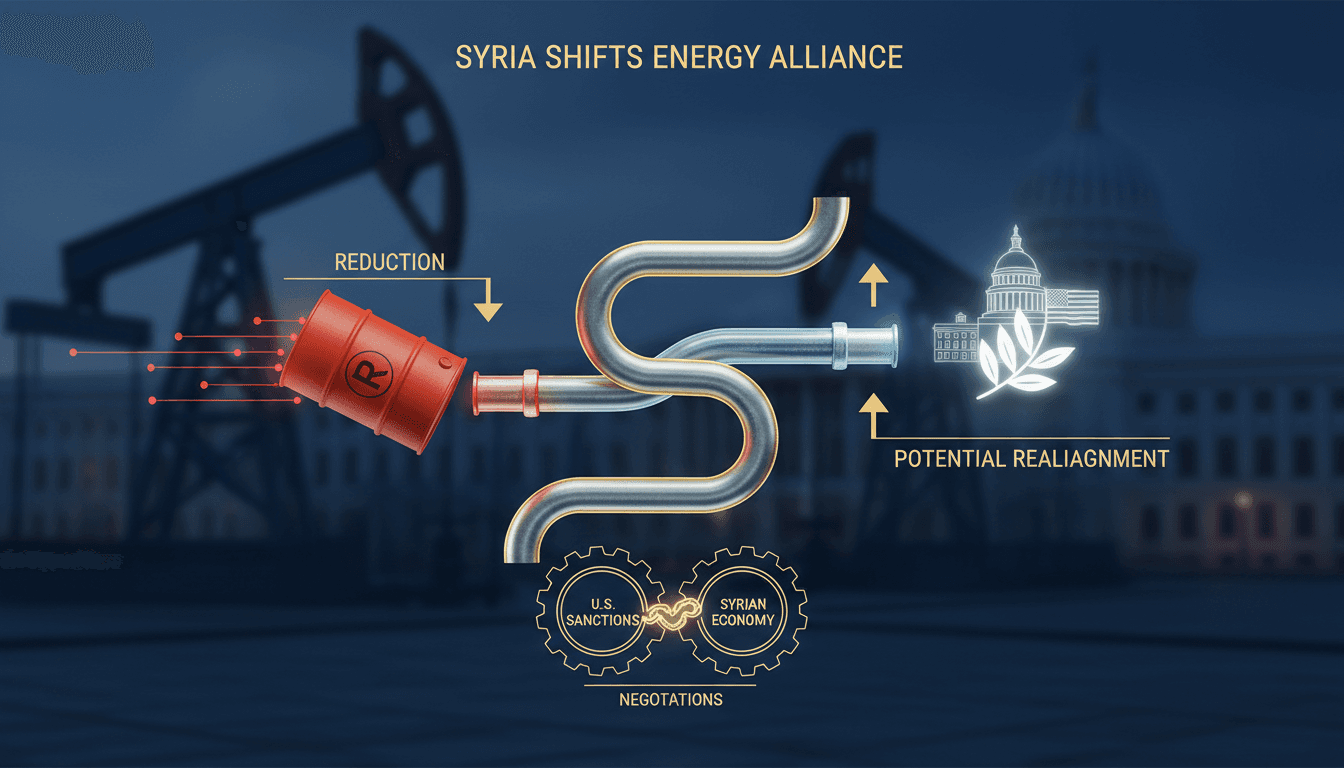
Syria's willingness to cut Russian oil imports could signal a significant shift in its foreign policy and economic strategy. This move may open avenues for improved relations with the United States, particularly in the context of ongoing sanctions negotiations. A realignment of energy dependencies could reshape Syria's international partnerships and economic landscape. The implications of this development extend beyond Syria, potentially affecting regional energy markets and geopolitical dynamics. Stakeholders should monitor how this shift influences U.S. foreign policy and the broader Middle Eastern energy landscape.
What happened
Syria has communicated its readiness to significantly reduce imports of Russian oil. This decision comes amid ongoing discussions with the United States regarding the potential lifting of major sanctions that have adversely affected Syria's economy. Three sources have confirmed this willingness, underscoring the importance of this diplomatic shift.
The announcement marks a pivotal moment in Syria's approach to its energy partnerships. By reducing reliance on Russian oil, Syria may be seeking to diversify its energy sources and enhance its economic stability. This development is particularly noteworthy given the current geopolitical tensions in the region.
The Context
The discussions between Syria and the United States are part of broader negotiations concerning the sanctions that have impacted Syria's economy for years. Reducing Russian oil imports could significantly alter Syria's economic dependencies, allowing for a potential realignment of its foreign alliances.
This shift comes at a time when Syria is heavily reliant on Russian oil, making the proposed changes particularly impactful. The timing of these negotiations suggests that Syria is actively seeking to improve its international standing and economic situation through strategic adjustments in its energy policies.
Takeaway
If successful, Syria's proposal to reduce Russian oil imports could lead to a significant realignment of its energy dependencies. This shift may pave the way for improved relations with the United States and a reevaluation of Syria's foreign alliances. Stakeholders should closely monitor U.S. responses to Syria's proposal and any subsequent changes in Syria's oil import patterns.
The outcome of these negotiations could have lasting implications for Syria's economy and its role in the regional energy landscape. Observers should remain vigilant as developments unfold in this critical area of international relations.
Jordanian news and regional updates.
"Roya News is a Jordanian outlet focused on breaking news and local affairs."
— A47 Editor
توجه سوري لخفض واردات النفط الروسي مقابل رفع آخر العقوبات الأمريكية
Damascus has informed the United States of its readiness to reduce imports of Russian oil in exchange for the lifting of remaining American sanctions. This move indicates a potential shift in Syria's energy strategy and its diplomatic relations with ...
Pan-Arab news coverage spanning politics, business, sports, and regional affairs.
"Asharq Al-Awsat reflects a broad Arab editorial perspective with strong attention to regional geopolitics."
— A47 Editor
سوريا تبلغ أميركا باستعدادها لتقليل استيراد النفط الروسي
Damascus has informed the United States of its readiness to significantly reduce imports of Russian oil, as reported by three informed sources to Reuters. This decision comes amid ongoing discussions between Syria and the U.S. regarding the lifting o...
Oil, metals, and agriculture: supply/demand headlines, OPEC chatter, inventories, and price action.
"Solid tape for energy and metals traders tracking macro and micro catalysts."
— A47 Editor
Exclusive-Syria tells US it is willing to drastically drop Russian oil imports, sources say
Syria has reportedly informed the United States of its willingness to significantly reduce imports of Russian oil, a move that could reshape its energy dependencies amid ongoing geopolitical tensions.