
Syria Signals Intent to Reduce Russian Oil Imports in U.S. Negotiations
What happened
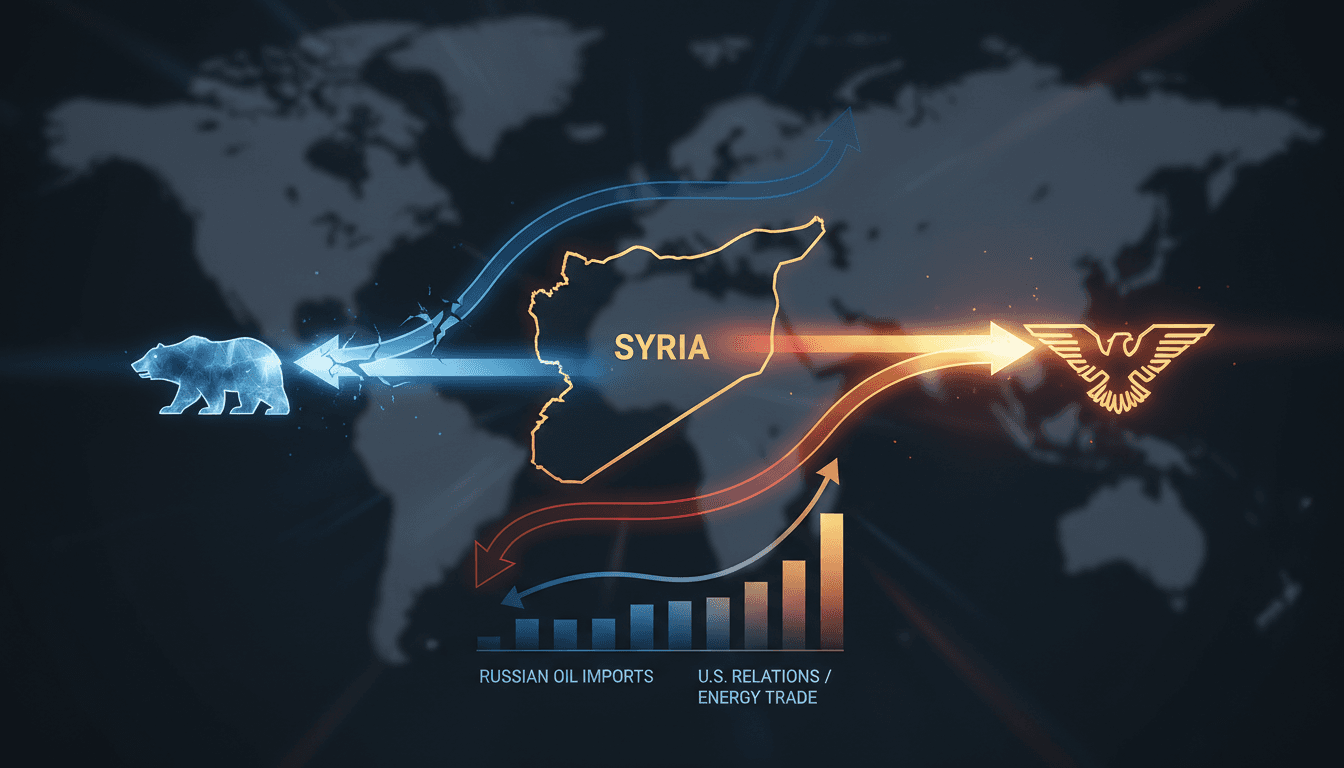
Syria has communicated its readiness to significantly reduce imports of Russian oil during recent negotiations with the United States. This move is part of ongoing discussions aimed at lifting the remaining major sanctions imposed on Syria. Three sources have confirmed this willingness, indicating a notable shift in Syria's approach to its foreign alliances.
The discussions are crucial as they could reshape Syria's energy dependencies and influence its geopolitical dynamics. If successful, this negotiation could pave the way for improved relations between Syria and the U.S., marking a potential turning point in the region's political landscape.
The Context
The backdrop of these negotiations involves Syria's heavy reliance on Russian oil imports, which has been a cornerstone of its energy strategy. The ongoing discussions with the U.S. are part of broader efforts to ease sanctions that have significantly impacted Syria's economy. Reducing Russian oil imports could not only enhance Syria's energy independence but also alter its international alliances.
This development is particularly important as it may influence the future of U.S. sanctions and Syria's overall economic recovery. The timing of these negotiations comes at a critical juncture, as regional dynamics continue to evolve and stakeholders reassess their positions.
Takeaway
The outcome of these negotiations will be pivotal for Syria's economic future and its geopolitical standing, especially concerning U.S. foreign policy. Observers should monitor the U.S. response to Syria's proposal and any subsequent changes in Syria's oil import patterns. The implications of this shift could resonate beyond immediate economic concerns, potentially redefining alliances in the region.
As the situation unfolds, the international community will be watching closely to see how these discussions impact Syria's relationships with both Russia and the United States.
Jordanian news and regional updates.
"Roya News is a Jordanian outlet focused on breaking news and local affairs."
— A47 Editor
توجه سوري لخفض واردات النفط الروسي مقابل رفع آخر العقوبات الأمريكية
Damascus has informed the United States of its readiness to reduce imports of Russian oil in exchange for the lifting of remaining American sanctions. This move indicates a potential shift in Syria's energy strategy and its diplomatic relations with ...
Pan-Arab news coverage spanning politics, business, sports, and regional affairs.
"Asharq Al-Awsat reflects a broad Arab editorial perspective with strong attention to regional geopolitics."
— A47 Editor
سوريا تبلغ أميركا باستعدادها لتقليل استيراد النفط الروسي
Damascus has informed the United States of its readiness to significantly reduce imports of Russian oil, as reported by three informed sources to Reuters. This decision comes amid ongoing discussions between Syria and the U.S. regarding the lifting o...
Oil, metals, and agriculture: supply/demand headlines, OPEC chatter, inventories, and price action.
"Solid tape for energy and metals traders tracking macro and micro catalysts."
— A47 Editor
Exclusive-Syria tells US it is willing to drastically drop Russian oil imports, sources say
Syria has reportedly informed the United States of its willingness to significantly reduce imports of Russian oil, a move that could reshape its energy dependencies amid ongoing geopolitical tensions.