
Iranian President Denies Resignation Threat Amid Internal Hardline Opposition
What happened
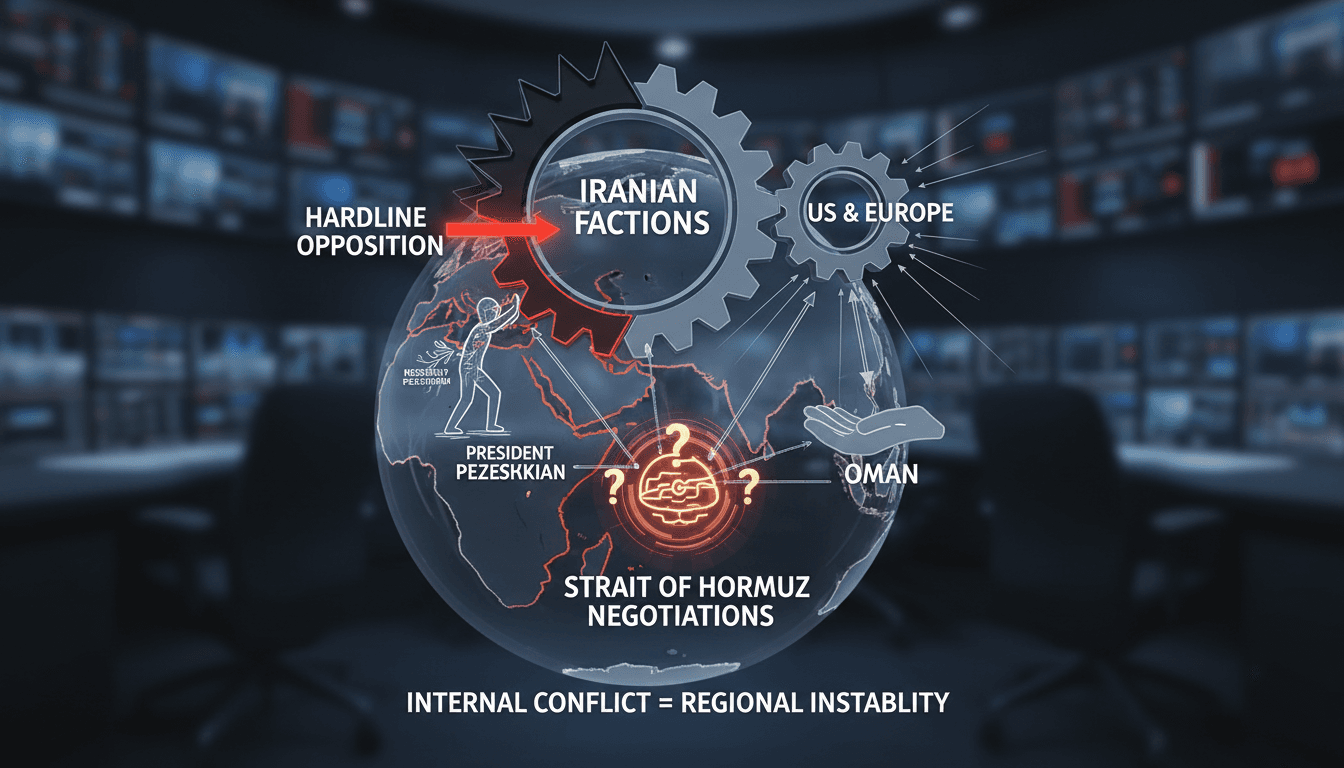
Iranian President Masoud Pezeshkian has publicly refuted claims that he threatened to resign due to pressures from hardline factions. This assertion was made during a televised interview, where he emphasized his commitment to his role. The allegations of resignation threats were reportedly linked to a relative of Supreme Leader Ali Khamenei, further complicating the internal political narrative.
Pezeshkian's denial comes at a time when tensions are escalating within Iran over potential negotiations with the US regarding the strait of Hormuz. The strait is a vital shipping route, and any settlement could significantly affect Iran's control over it. His statements underscore the ongoing internal conflict that may hinder future diplomatic efforts.
The Context
The political environment in Iran is characterized by significant divisions, particularly between hardline factions and more moderate elements within the government. Pezeshkian faces considerable opposition as he navigates the complexities of engaging with the US, especially amid external pressures from both the US and Europe to facilitate negotiations through Oman.
The internal disputes reflect broader strategic disagreements within Iran's leadership about the merits of engaging with Western powers. As the situation evolves, the implications for Iran's international relations and regional stability remain critical. The outcome of these negotiations could reshape the geopolitical landscape in the Middle East.
Takeaway
As Iran continues to grapple with internal divisions, the future of negotiations over the strait of Hormuz will be pivotal. Observers should monitor developments closely, particularly any further statements from Iranian officials regarding internal dissent and external negotiations. The potential for a settlement could either alleviate tensions or exacerbate existing conflicts within the country.
The dynamics surrounding these negotiations will likely influence Iran's international relations and its standing in the region. Stakeholders should remain vigilant as the situation unfolds, given its implications for both regional stability and global economic conditions.
Arabic-language coverage of political affairs and current events.
"Okaz political coverage typically follows mainstream Saudi framing on national and regional affairs."
— A47 Editor
صهر مجتبى يؤكد.. والرئيس الإيراني: لم أهدد بالاستقالة
Iranian President Masoud Bezhakian denied reports of having threatened to resign amid pressure from hardline factions opposing a settlement with the United States regarding the Strait of Hormuz. In a televised interview marking two years in office, h...
Regional and international reporting focused on Middle Eastern politics, diplomacy, and economics.
"Asharq Al-Awsat is a Saudi-owned international newspaper reflecting mainstream Gulf political perspectives."
— A47 Editor
Pezeshkian Denies He Intends to Step Down amid Mounting Internal Disputes in Iran
Iranian President Masoud Pezeshkian has denied intentions to step down amid escalating internal disputes within the Iranian government, emphasizing his commitment to continue leading despite challenges. This denial comes at a time when tensions are h...
International coverage from The Guardian's global desks.
"The Guardian is known for its progressive editorial stance and in-depth analysis."
— A47 Editor
Iran’s president denies threatening to resign during talks over strait of Hormuz
Iran's President Masoud Pezeshkian has denied claims of threatening to resign amid internal pressures from hardline factions opposing negotiations with the US regarding the Strait of Hormuz. This denial comes as the US and Europe push for a deal to r...