
US Lifts Sanctions on IRGC-Linked Entities Amid Nuclear Negotiations
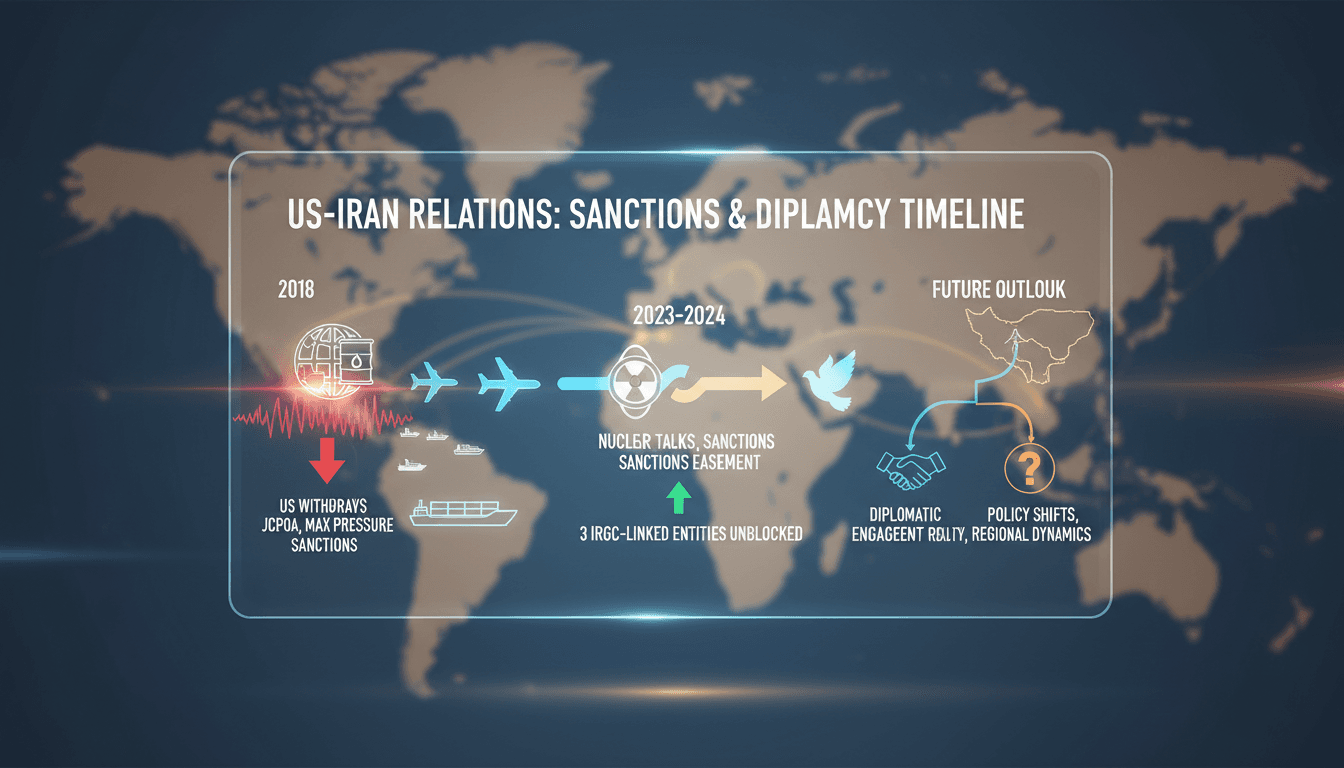
What happened
On August 5, 2026, the U.S. lifted sanctions on three entities associated with Iran's Islamic Revolutionary Guard Corps. This included two aircraft and three airlines, marking a significant policy change in the U.S. approach to Iran. The decision was officially announced via the U.S. Treasury Department's website, indicating a formal recognition of the shift.
The sanctions had originally been imposed as part of counterterrorism efforts, reflecting the U.S. government's concerns over Iran's military and nuclear capabilities. The removal of these sanctions is seen as a strategic move amid ongoing negotiations regarding Iran's nuclear program.
The Context
The IRGC has been a focal point in discussions surrounding Iran's military activities and its nuclear ambitions. The lifting of sanctions may signal a thaw in U.S.-Iran relations, which have been strained for years. This development comes at a critical time as both nations engage in negotiations that could redefine their future interactions.
The implications of this policy shift extend beyond U.S.-Iran relations, potentially affecting the broader geopolitical landscape in the Middle East. U.S. allies in the region may react to this change, as it could alter the balance of power and influence in ongoing conflicts and diplomatic efforts.
Takeaway
As negotiations continue, the U.S. may further adjust its sanctions policy, which could have significant implications for Iran's regional activities. Observers should watch for potential reactions from U.S. allies in the Middle East, as their responses could shape future diplomatic engagements. Additionally, further developments in the U.S.-Iran negotiations on nuclear issues will be critical to monitor.
The long-term outlook suggests that this decision could pave the way for deeper diplomatic ties, but the complexities of regional politics will play a crucial role in determining the outcome.
Global business headlines with AI angles.
"General business outlet that frequently covers AI."
— A47 Editor
Trump Is Touting Progress In Iran Negotiations. The Treasury Has Now Removed Sanctions From Entities Tied To Tehran's IRGC
The U.S. Treasury has lifted sanctions on entities associated with Iran's Islamic Revolutionary Guard Corps (IRGC), signaling a potential thaw in U.S.-Iran relations amid ongoing negotiations. This development comes as President Trump touts progress ...
Pan-Arab news coverage spanning politics, business, sports, and regional affairs.
"Asharq Al-Awsat reflects a broad Arab editorial perspective with strong attention to regional geopolitics."
— A47 Editor
واشنطن تشطب كيانات مرتبطة بـ«الحرس الثوري» من قوائم العقوبات
The United States has removed three airlines and two aircraft linked to the Islamic Revolutionary Guard Corps (IRGC) from its terrorism-related sanctions list, as reported by Reuters. This decision reflects a significant shift in U.S. policy regardin...
Regional coverage and analysis focused on politics, diplomacy, and business across the Middle East.
"Al-Monitor is known for analytical reporting on Middle East politics and policy developments."
— A47 Editor
US removes sanctions from three IRGC-linked entities, Treasury website shows
The United States has lifted counterterrorism sanctions from two aircraft and three airlines linked to Iran's Islamic Revolutionary Guard Corps (IRGC), as reported on the U.S. Treasury Department's website. This decision marks a significant shift in ...