
U.S. Senate poised to vote on CLARITY Act for cryptocurrency regulation
What happened
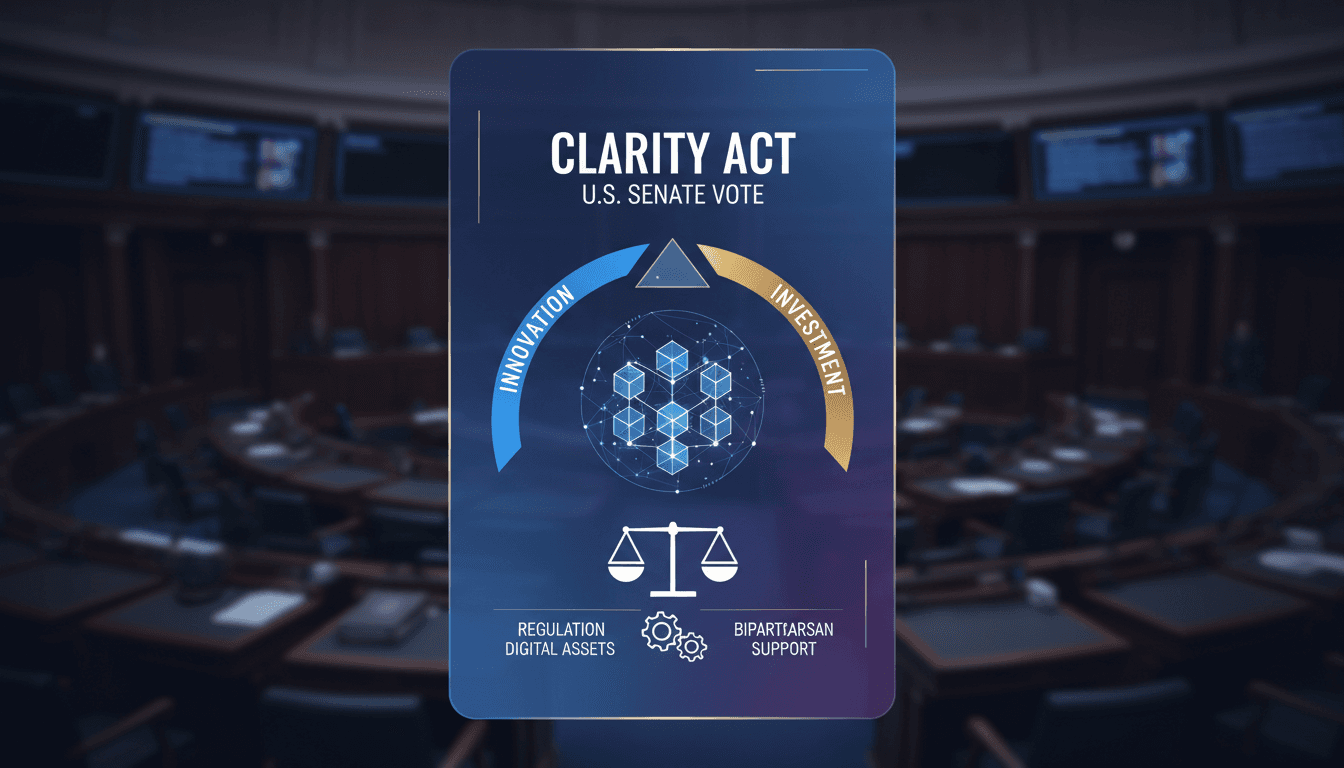
The U.S. Senate is gearing up for a crucial vote on the CLARITY Act, a legislative initiative aimed at creating a regulatory framework for cryptocurrencies. Senate Whip John Barrasso has publicly expressed his support for the bill, emphasizing the need for clarity in crypto oversight. With the August recess looming, lawmakers are racing against time to finalize the vote.
Senator Cynthia Lummis, a key advocate for the bill, has been involved in negotiations for the past 11 months. She has indicated that a vote is expected before the Senate breaks for recess, which adds urgency to the legislative process. The outcome of this vote could significantly influence the future of cryptocurrency regulation in the U.S.
The Context
The CLARITY Act seeks to clarify federal oversight of cryptocurrencies, addressing critical issues such as ethics, enforcement, consumer protection, and market certainty. The growing bipartisan support for the bill reflects a significant shift in the legislative approach to digital assets, with key figures like Barrasso and Lummis leading the charge.
The timing of this vote is crucial, as failure to pass the bill before the August recess could delay its consideration until after the 2026 elections. This potential delay raises concerns about the regulatory uncertainty that could persist in the cryptocurrency market, impacting both investors and innovators.
Takeaway
The upcoming vote on the CLARITY Act is a defining moment for the regulatory landscape of cryptocurrencies in the U.S. If the bill passes, it could pave the way for clearer regulations, fostering an environment conducive to innovation and investment. Conversely, if the Senate fails to act, the industry may face prolonged uncertainty as the 2026 elections approach.
Stakeholders in the cryptocurrency sector should closely monitor the Senate's schedule for the vote and be prepared for potential reactions from the industry regarding the bill's implications. The outcome will likely shape the future of digital asset regulation and influence market dynamics.
News, analysis, and thought leadership focusing exclusively on Bitcoin.
"Bitcoin Magazine is one of the original publications devoted to Bitcoin, offering in-depth news, analysis, and commentary."
— A47 Editor
Senate Whip Barrasso Becomes Latest Lawmaker to Support Crypto Clarity Act, But Time May Be Running Out
Senate Whip John Barrasso has publicly endorsed the Crypto Clarity Act, joining a growing list of lawmakers advocating for clearer regulations in the cryptocurrency sector. With the Senate's recess approaching, there is increasing urgency among Repub...
Covers Bitcoin plus altcoin news, market updates, and educational resources.
"Bitcoin.com provides news, market data, and guides focused on Bitcoin and the wider crypto industry."
— A47 Editor
Senate Will Vote on CLARITY Act Before August Recess, Lummis Says
Senator Cynthia Lummis announced that the U.S. Senate will vote on the CLARITY Act before the August recess, emphasizing the urgency of scheduling this vote to avoid delays in the legislation's passage. The CLARITY Act aims to clarify regulations sur...
Covers blockchain, cryptocurrency news, project analysis, and market insights.
"Cointelegraph is a leading crypto-focused media outlet known for timely news, analysis, and educational content related to blockchain and digital assets."
— A47 Editor
Senator Lummis still pushing for CLARITY vote before August recess
Senator Cynthia Lummis is advocating for a vote on the CLARITY Act before the upcoming August recess, emphasizing the urgency as delays could push the bill's consideration into the 2026 election season or later.