
Syrian and Turkish Foreign Ministers Meet to Strengthen Bilateral Relations
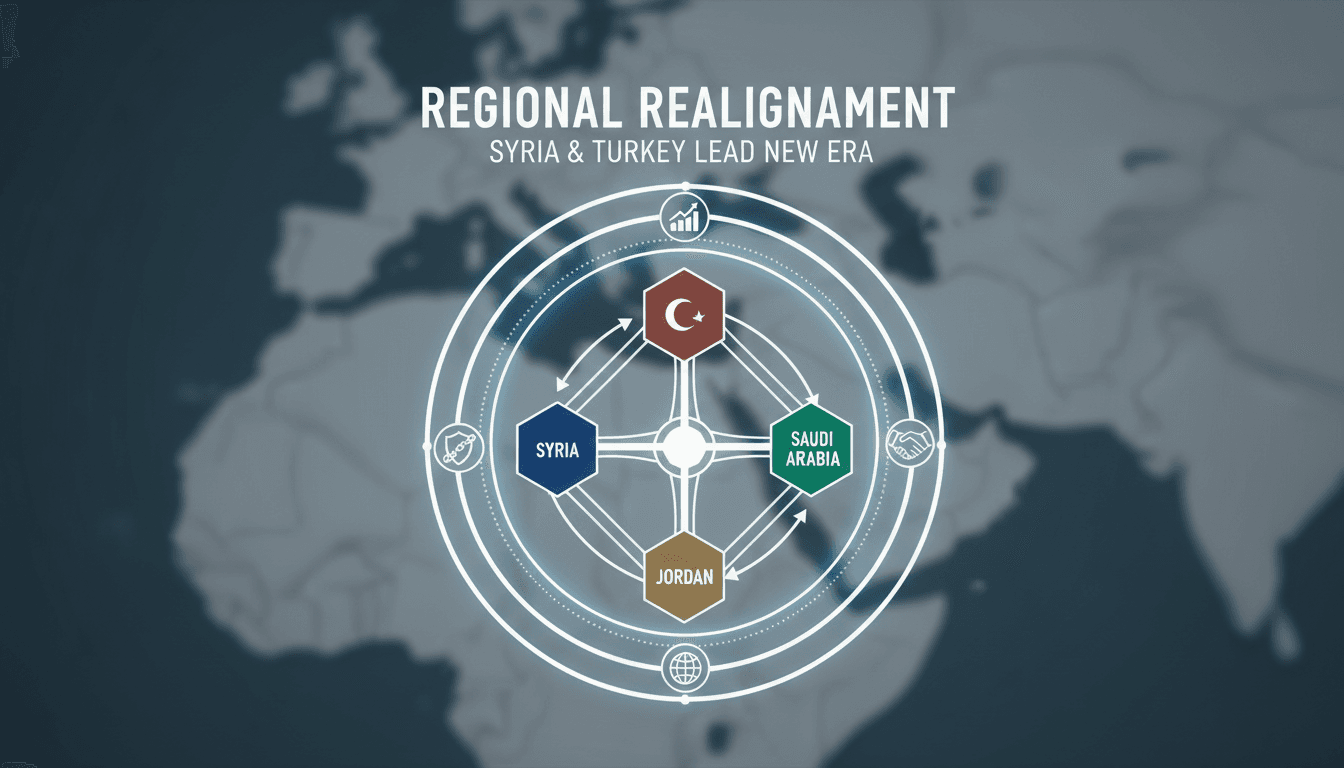
Here's what it means for you.
The recent meeting between Syrian and Turkish foreign ministers signals a potential shift in regional dynamics, emphasizing the importance of collaboration for stability and economic growth. As both nations work to disband armed groups, the implications for security and trade could resonate across the Middle East. This dialogue may also foster stronger ties among neighboring countries, including Saudi Arabia and Jordan, enhancing collective efforts towards peace and cooperation.
What happened
On August 6, 2026, Syrian Foreign Minister As'ad Hassan al-Shibani met with Turkish Foreign Minister Hakan Fidan in Ankara. The primary focus of their discussions was to enhance bilateral relations and address regional stability. Both ministers underscored the necessity of ending armed groups operating outside state control and condemned the ongoing Israeli attacks on Syrian territory. This meeting marks a significant step in fostering cooperation between the two nations.
The dialogue also included discussions on activating economic agreements and joint efforts to combat terrorism. The ministers expressed a mutual commitment to support each other in various fields, particularly in economic cooperation. This collaboration is seen as essential for achieving long-term stability in the region.
The Context
The meeting reflects a broader initiative to strengthen ties among Syria, Turkey, Saudi Arabia, and Jordan. By addressing the disbandment of militias, both countries aim to create a more secure environment conducive to economic development. The timing of this meeting is crucial, as regional tensions continue to affect stability and security.
The discussions come at a time when the need for cooperation is paramount, given the ongoing challenges posed by armed groups and external threats. The commitment from Turkey to support Syria highlights a shift in diplomatic relations, which could lead to enhanced regional cooperation and security.
Takeaway
The ongoing dialogue between Syria and Turkey may pave the way for improved regional security and economic collaboration. Observers should monitor developments in their relations, particularly regarding the activation of economic agreements and the potential impacts on regional stability from the disbandment of militias. The collaboration among these nations, along with their partners, could significantly influence the geopolitical landscape of the Middle East.
As these discussions progress, the focus will remain on how effectively these nations can work together to address shared challenges and foster a more stable environment for economic growth.
Arabic-language coverage of political affairs and current events.
"Okaz political coverage typically follows mainstream Saudi framing on national and regional affairs."
— A47 Editor
الشيباني: إنهاء المليشيات أساس استقرار المنطقة
Syrian Foreign Minister Asaad Hassan Al-Shibani announced ongoing efforts to complete a railway project linking Syria with Turkey, Saudi Arabia, and Jordan, emphasizing the need to halt Israeli aggressions and respect Syria's sovereignty. During a pr...
Pan-Arab political news and analysis.
"Al-Quds Al-Arabi is a London-based Arabic newspaper known for political coverage."
— A47 Editor
الشيباني: المنطقة تتجه نحو إنهاء التشكيلات المسلحة خارج إطار الدولة
Syrian Foreign Minister Assad al-Shaybani stated that the region is clearly moving towards establishing a singular basis for stability, which involves the termination of any armed formations outside the legitimate framework. This announcement was mad...
Pan-Arab news coverage spanning politics, business, sports, and regional affairs.
"Asharq Al-Awsat reflects a broad Arab editorial perspective with strong attention to regional geopolitics."
— A47 Editor
وزير الخارجية السوري يزور تركيا الخميس
Syrian Foreign Minister Asaad Hassan al-Shaybani is scheduled to visit Turkey on Thursday, where he will meet with his Turkish counterpart, Hakan Fidan. This visit marks a significant diplomatic engagement between the two neighboring countries.