
Israel rejects U.S. ceasefire plan amid ongoing Gaza conflict
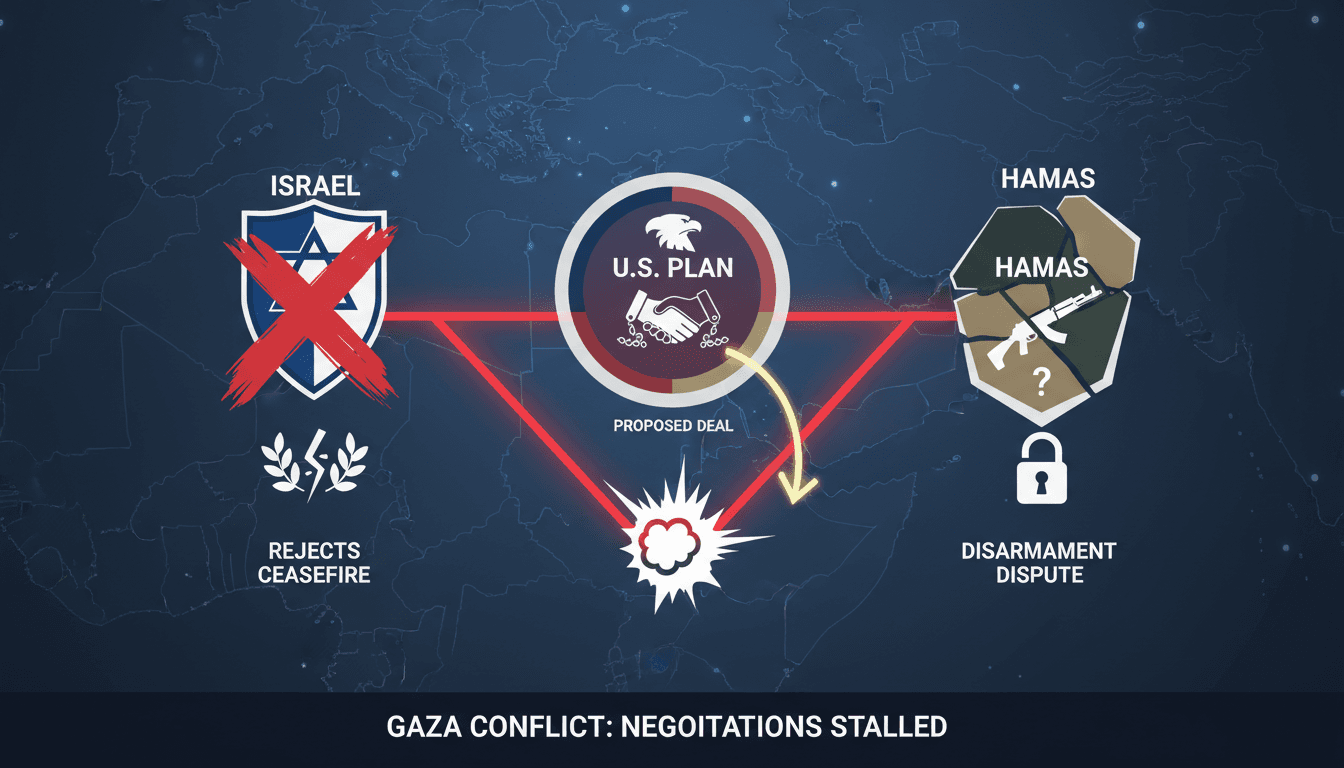
What happened
Israeli Prime Minister Benjamin Netanyahu has confirmed that Israel has not approved the U.S. plan aimed at ending the conflict in Gaza. This decision comes amid ongoing military operations and significant political disagreements regarding the disarmament of Hamas. Israel insists that any withdrawal from Gaza is contingent upon the completion of Hamas's disarmament, while Hamas is calling for pressure on Israel to adhere to the ceasefire agreement.
The lack of consensus on the ceasefire plan indicates that no agreement has been reached, leaving the situation in Gaza precarious. As military actions continue, both sides remain entrenched in their positions, complicating the prospects for peace.
The Context
The backdrop of this conflict involves deep-rooted political disagreements between Israel and Hamas, with each side holding firm on their demands. Netanyahu's comments reflect Israel's ongoing military operations in Gaza, which have drawn international scrutiny and concern. Hamas, on the other hand, has expressed its commitment to the ceasefire roadmap, urging mediators to apply pressure on Israel to fulfill its commitments.
The timing of these developments is critical, as the humanitarian situation in Gaza continues to deteriorate. Without a breakthrough in negotiations, the conflict is likely to persist, further exacerbating the challenges faced by civilians in the region.
Takeaway
The current stalemate suggests that the conflict in Gaza may continue unless diplomatic efforts intensify. Observers should watch for potential escalations in military operations as both sides remain firm in their positions. Additionally, developments in U.S.-Israel relations regarding the peace plan will be crucial in shaping the future of the conflict.
As the situation evolves, the international community's response will play a significant role in determining the trajectory of peace efforts. The humanitarian crisis will likely remain a pressing concern, necessitating urgent attention from global leaders.
Arabic-language coverage of Saudi, regional, and international affairs.
"Al Bilad offers mainstream Saudi newspaper coverage across domestic and broader Arab topics."
— A47 Editor
نتنياهو: لم نوافق بعد على مقترح إنهاء الحرب.. قصف الاحتلال يفاقم الخلافات حول «اتفاق غزة»
Israeli military operations in Gaza continue, with ongoing political disagreements regarding the implementation of the second phase of the ceasefire agreement. Israel insists that any withdrawal from the region is contingent upon the disarmament of H...
Arabic-language political and world news coverage for UAE readers.
"Emarat Al Youm world coverage usually presents international developments through a UAE and Arab audience lens."
— A47 Editor
نتنياهو: إسرائيل لم توافق بعد على خطة انهاء الحرب في غزة نتنياهو: إسرائيل لم توافق بعد على خطة انهاء الحرب في غزة
Israeli Prime Minister Benjamin Netanyahu stated that Israel has not yet agreed to the U.S. plan to end the war in Gaza, indicating ongoing deliberations regarding the conflict.
Pan-Arab political news and analysis.
"Al-Quds Al-Arabi is a London-based Arabic newspaper known for political coverage."
— A47 Editor
نتنياهو: لم نوافق على خطة مجلس السلام الخاصة بنزع سلاح حماس
Israeli Prime Minister Benjamin Netanyahu stated that Israel has not approved the recently announced disarmament plan for Hamas in Gaza, which was proposed by the U.S.-formed Peace Council. He clarified that Israel received a draft of the plan and pr...