
Simon Levy convicted of murdering two women amid police failures in London
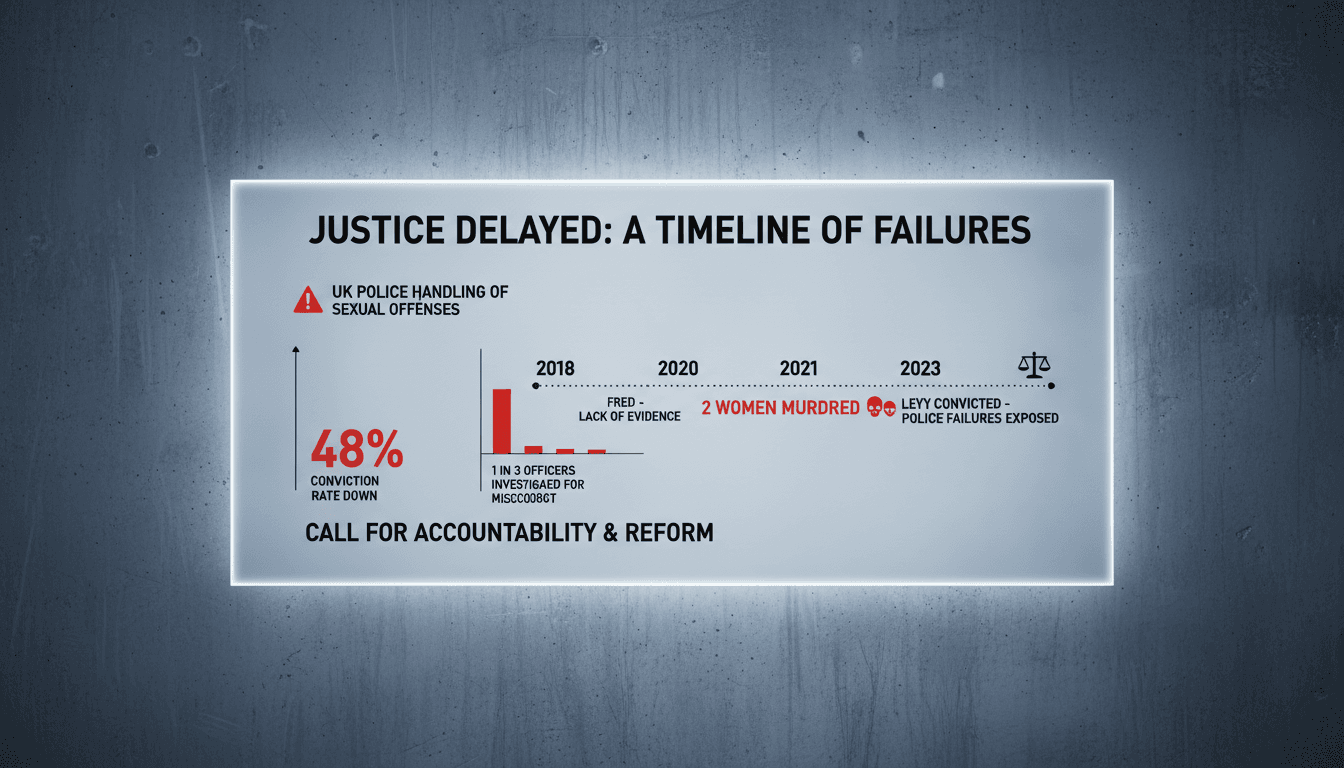
Here's what it means for you.
The conviction of Simon Levy underscores critical failures in police monitoring and prosecution of known offenders, raising urgent questions about women's safety in the UK. This case may catalyze significant reforms in law enforcement practices, particularly regarding the handling of sexual offenses. Authorities are now calling for other potential victims to come forward, reflecting a broader societal demand for accountability and change.
What happened
Simon Levy, a convicted sex offender, was found guilty of murdering two women, Carmenza Valencia-Trujillo and Sheryl Wilkins, in London. Despite his criminal history, Levy was allowed to remain free, which has sparked outrage over the police and prosecution's handling of his case. The murders occurred in March 2025 and August 2025, respectively, with Levy being convicted on August 7, 2026.
The investigation into Levy's actions has revealed significant lapses in monitoring and prosecuting known offenders. Criticism has been directed at the police for delays in addressing sexual assault charges and failing to report Levy's past convictions. This case highlights the tragic consequences of systemic failures within the justice system.
The Context
Levy's history of sexual offenses raises serious concerns about police effectiveness in managing cases of violence against women. The case has drawn comparisons to the murder of Sarah Everard, which also highlighted ongoing issues regarding women's safety in the UK. As investigations into Levy's case continue, there is a growing call for accountability from law enforcement agencies.
The timing of this conviction is critical, as it coincides with increasing public scrutiny of police practices and the need for reform. The tragic loss of two lives due to systemic failures has ignited discussions about how to better protect vulnerable individuals in society. Stakeholders, including advocacy groups and policymakers, are now under pressure to implement changes that enhance women's safety.
Takeaway
The conviction of Simon Levy emphasizes the urgent need for reform in policing and prosecution practices. As investigations into police procedures unfold, there will likely be renewed discussions on how to improve accountability measures. The case serves as a pivotal moment for law enforcement, potentially leading to significant changes in how sexual offenses are prosecuted and monitored in the UK.
Authorities are expected to focus on enhancing support for victims and ensuring that known offenders are adequately monitored. The public's response to this case may influence future policies aimed at preventing similar tragedies.
United Kingdom-focused news including local politics, business, and social issues.
"BBC News is widely regarded as a reputable international news organization, known for its impartial tone and public service mandate."
— A47 Editor
Simon Levy victims urged to come forward as police accused of 'litany of failures'
Simon Levy, a 40-year-old man from Tottenham, has been found guilty of murdering two women, Carmenza Valencia-Trujillo and Sheryl Wilkins, while under police monitoring. The Metropolitan Police and British Transport Police have urged potential additi...
Top international stories selected by The Guardian editors.
"The Guardian is known for its progressive editorial stance and in-depth analysis."
— A47 Editor
Police and prosecution errors left proven sex offender free to murder two women in London
Simon Levy, a 40-year-old proven sex offender, was found guilty of murdering Carmenza Valencia-Trujillo and Sheryl Wilkins in London, following significant police and prosecution errors that allowed him to remain free despite his violent history. The...
International coverage from The Guardian's global desks.
"The Guardian is known for its progressive editorial stance and in-depth analysis."
— A47 Editor
Simon Levy murders: has anything changed in policing since Sarah Everard’s killing?
Simon Levy, a 40-year-old man from Tottenham, is on trial for the alleged murders of Carmenza Valencia-Trujillo and Sheryl Wilkins, following a history of violent behavior and previous arrests related to suspected murder cases. The prosecution argues...