
Saudi Arabia depletes 86% of PAC-3 interceptor missiles amid rising global demand for Patriot system
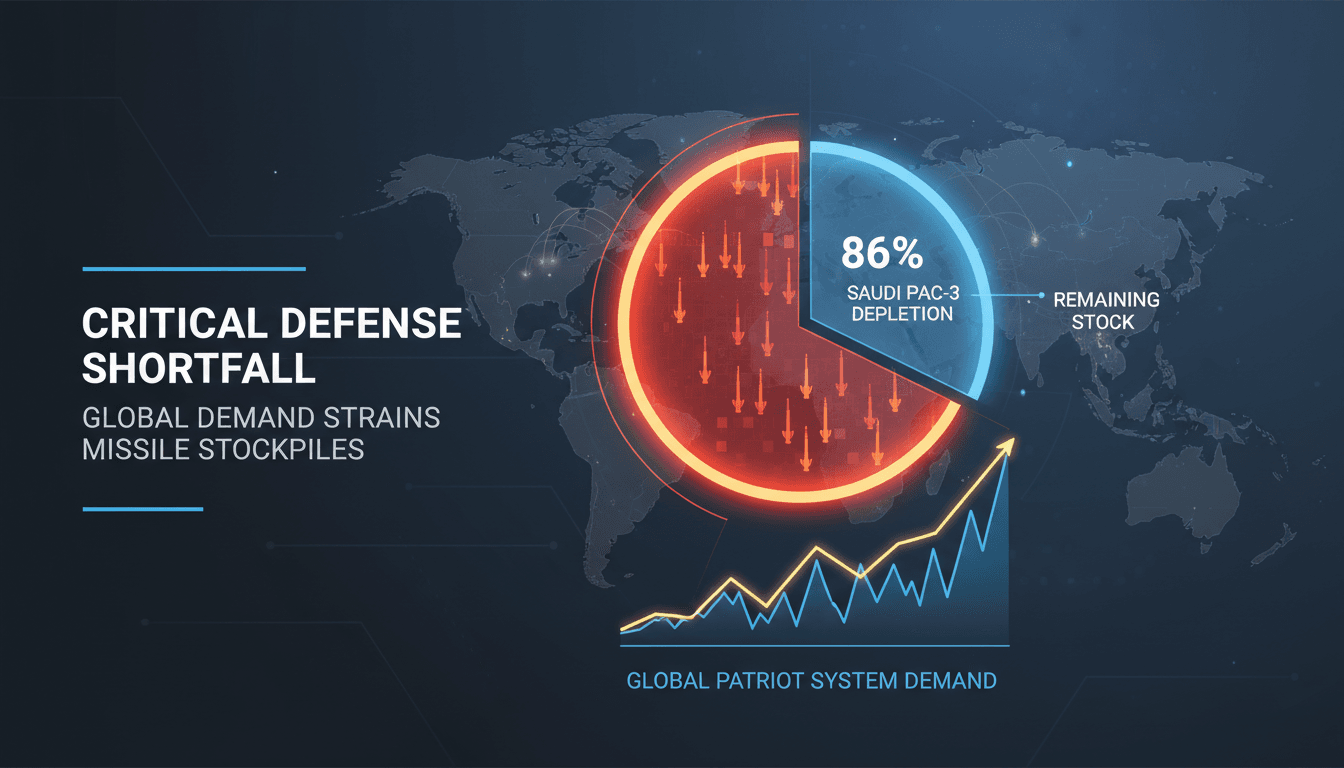
Here's what it means for you.
The depletion of Saudi Arabia's PAC-3 interceptor missiles signals a critical moment for military readiness in the region. As conflicts escalate, particularly in the Middle East and Ukraine, nations may need to reassess their defense strategies and stockpiles. This situation could lead to increased competition for missile defense resources globally, impacting both military and geopolitical dynamics.
What happened
Saudi Arabia has reportedly utilized approximately 86% of its PAC-3 interceptor missiles, indicating a significant depletion of its military resources. This surge in usage is largely driven by the rising global demand for the U.S. Patriot missile defense system amid ongoing conflicts. The heavy reliance on these interceptors underscores the urgent need for replenishment as military engagements continue to evolve.
The depletion of these missiles reflects not only operational demands but also highlights the broader implications for regional security. As Saudi Arabia's stockpile diminishes, the strain on military resources becomes increasingly apparent, raising concerns about the country's defense capabilities.
The Context
The Patriot missile system is a critical component of air defense in conflict zones, particularly in regions facing heightened security challenges. The ongoing war in Ukraine and various conflicts in the Middle East have significantly increased the demand for missile defense systems, putting pressure on existing supplies. Saudi Arabia's military reliance on the Patriot system illustrates the complexities of regional security dynamics and the potential for future conflicts.
With approximately 2,800 PAC-3 interceptor missiles in its arsenal, the depletion of 86% of this stockpile raises questions about the country's military readiness. As nations grapple with the implications of these conflicts, the demand for advanced missile defense systems is likely to remain high.
Takeaway
As military conflicts continue to evolve, the demand for advanced missile defense systems like the Patriot will likely remain elevated. This situation may prompt nations to reassess their defense strategies and stockpiles, particularly in light of the ongoing shortages of missile supplies. Monitoring the replenishment efforts by the U.S. and its allies will be crucial in understanding the future landscape of missile defense.
Additionally, potential shifts in military strategies in response to the depletion of interceptor missiles could reshape regional security dynamics. Stakeholders will need to remain vigilant as the situation develops.
Pan-Arab news coverage spanning politics, business, sports, and regional affairs.
"Asharq Al-Awsat reflects a broad Arab editorial perspective with strong attention to regional geopolitics."
— A47 Editor
«باتريوت»... سلاح الاعتراض الذي يستهلكه اتساع الحروب
The U.S. Patriot air defense system has seen a sharp increase in demand this year, as its stockpiles of interceptors have been depleted due to the expansion of wars.
Arabic-language coverage of international news and geopolitics.
"RT Arabic is a Russian state-funded outlet often criticized for promoting Kremlin-aligned narratives."
— A47 Editor
"رويترز": السعودية استخدمت نحو 86% من صواريخ "باتريوت" الاعتراضية من طراز "PAC-3"
According to Reuters, Saudi Arabia has utilized approximately 86% of its PAC-3 Patriot interceptor missiles, totaling around 2,800 units. This significant usage indicates the country's ongoing commitment to enhancing its air defense capabilities amid...
Arabic-language coverage of international news and geopolitics.
"RT Arabic is a Russian state-funded outlet often criticized for promoting Kremlin-aligned narratives."
— A47 Editor
ما هو نظام صواريخ "باتريوت" الأمريكي ولماذا نفدت الإمدادات منه في جميع أنحاء العالم؟
The American Patriot missile defense system has experienced a sharp increase in demand this year, primarily due to the depletion of interceptor missile supplies amid the ongoing Ukrainian conflict and the expansion of warfare in the Middle East.