
U.S.-Iran negotiations in Switzerland collapse amid Trump's threats
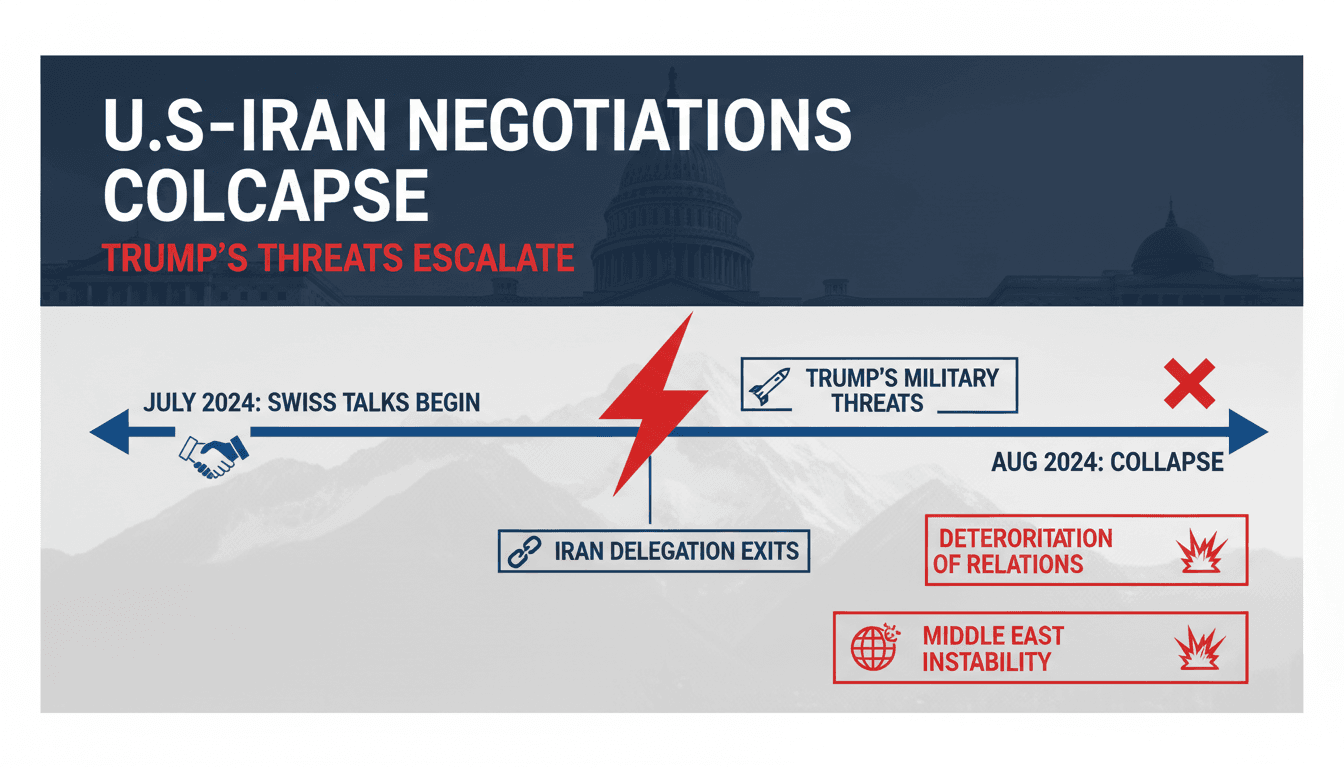
Here's what it means for you.
The abrupt end of U.S.-Iran negotiations in Switzerland signals a significant setback in diplomatic efforts to stabilize the Middle East. President Trump's aggressive rhetoric has not only strained relations but also raised concerns about potential military escalation. Stakeholders in the region must now navigate an increasingly volatile landscape, with implications for security and policy. The failure of these talks could hinder future diplomatic engagements, making it crucial for policymakers to reassess their strategies. As tensions rise, the potential for conflict increases, impacting markets and international relations.
What happened
The first round of negotiations between the United States and Iran concluded unexpectedly as Iran's delegation departed in response to President Trump's aggressive statements. The discussions were intended to finalize a memorandum of understanding aimed at addressing ongoing conflicts in the Middle East. However, Trump's threats of military action against Iran, should it continue supporting Hezbollah, overshadowed the talks.
Iran's delegation viewed Trump's comments as offensive, prompting their exit from the negotiations. This abrupt end highlights the fragility of diplomatic efforts in the region and the challenges posed by escalating rhetoric.
The Context
These negotiations were part of a broader initiative to resolve conflicts in the Middle East, a region marked by longstanding tensions. Trump's threats included the possibility of military action if Iran did not cease its support for Hezbollah, a group designated as a terrorist organization by the U.S. The timing of these talks was critical, as both nations grapple with complex geopolitical dynamics.
The implications of this breakdown extend beyond U.S.-Iran relations, potentially affecting regional stability and security. As both sides navigate these challenges, the future of diplomatic engagement remains uncertain.
Takeaway
The collapse of these negotiations raises questions about the future of U.S.-Iran relations and the potential for renewed talks. Observers will be closely monitoring Iran's response to U.S. threats and how this may influence regional security dynamics. The possibility of resuming discussions hinges on whether tensions can ease in the coming weeks.
As the situation develops, stakeholders must remain vigilant to the shifting landscape and its implications for international diplomacy and stability in the Middle East.
Pan-Arab political news and analysis.
"Al-Quds Al-Arabi is a London-based Arabic newspaper known for political coverage."
— A47 Editor
انتهاء الجولة الأولى من محادثات إيران والولايات المتحدة في سويسرا وسط توتر وتهديدات متبادلة
The first round of talks between the United States and Iran concluded in Bürgenstock, Switzerland, amid heightened tensions. The Iranian delegation left the negotiations following what they termed an 'offensive message' from U.S. President Donald Tru...
Pan-Arab news coverage spanning politics, business, sports, and regional affairs.
"Asharq Al-Awsat reflects a broad Arab editorial perspective with strong attention to regional geopolitics."
— A47 Editor
تهديدات ترمب تُربك مفاوضات لوسيرن
Threats issued by U.S. President Donald Trump have disrupted the first official round of negotiations aimed at implementing the U.S.-Iran memorandum of understanding, which commenced at the Bürgenstock resort by the lake.
Arabic-language coverage of Saudi, regional, and international affairs.
"Al Bilad offers mainstream Saudi newspaper coverage across domestic and broader Arab topics."
— A47 Editor
لوح بالسيطرة على مضيق هرمز.. ترمب يهدد بتدمير إيران
A new round of direct negotiations between the United States and Iran commenced in Switzerland, aimed at reaching a final agreement to end the ongoing conflict in the Middle East. This comes amid heightened political and military tensions, with Presi...