
Trump shifts U.S. strategy towards Iran emphasizing economic pressure over military action
What happened
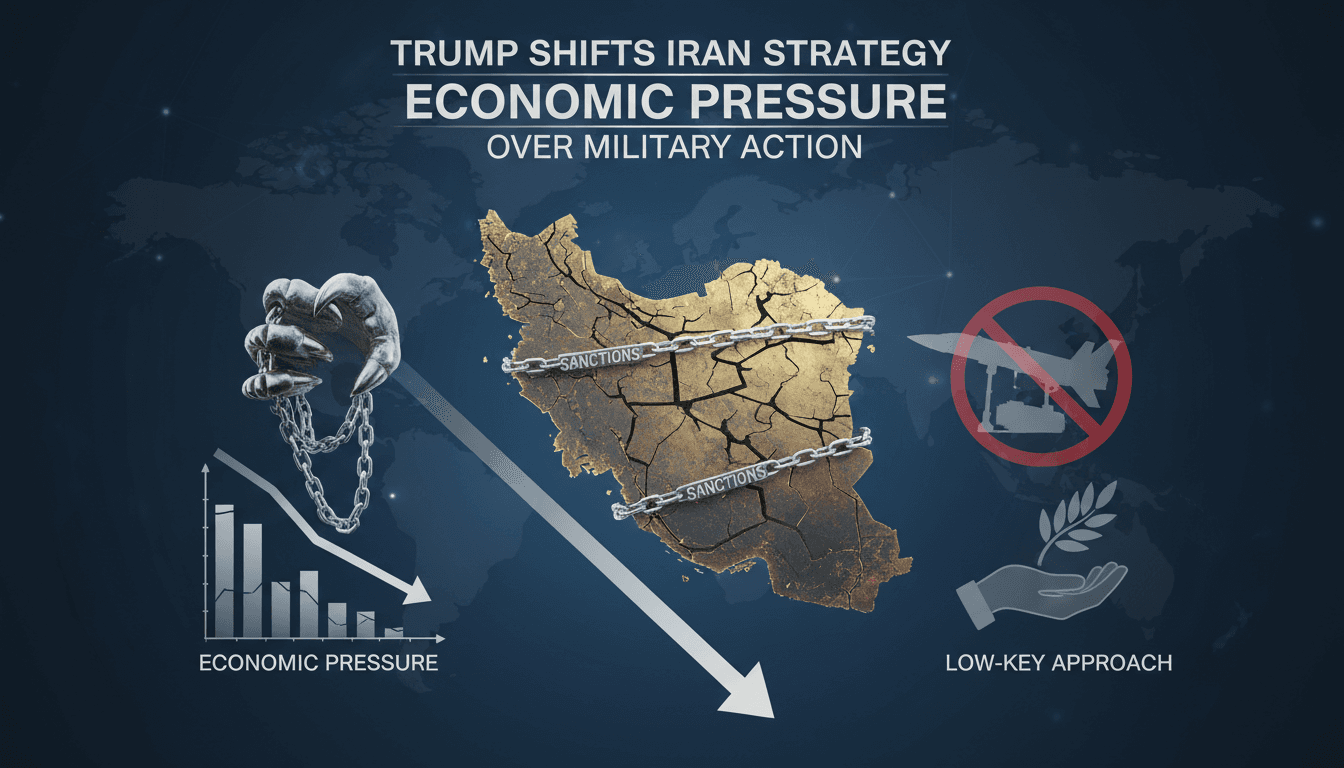
President Trump has declared a strategic pivot towards a 'low key' approach in dealing with Iran, focusing on economic pressure rather than military strikes. This decision follows months of U.S. military actions and sanctions aimed at Iran, which is currently grappling with significant economic difficulties, including high inflation. Trump stated his preference for applying economic pressure, indicating a departure from previous military strategies.
The announcement underscores a notable absence of new military strikes planned against Iran, reflecting a shift in the U.S. approach. The administration is currently monitoring the situation while engaging in limited negotiations, suggesting a more cautious stance moving forward.
The Context
The U.S. has a history of conducting military strikes against Iran, which has often escalated tensions in the region. Currently, Iran is facing severe economic challenges, making this a critical moment for U.S. foreign policy. The timing of this announcement coincides with reports of Iran's economic struggles amid ongoing U.S. sanctions, highlighting the urgency of the situation.
This strategic pivot is significant not only for U.S.-Iran relations but also for broader regional stability. The implications of relying on economic sanctions as a primary tool could influence future diplomatic engagements and the overall geopolitical landscape.
Takeaway
As the U.S. continues to apply economic pressure on Iran, the effectiveness of this strategy will be crucial in determining future relations and stability in the region. Observers should closely monitor Iran's economic situation and its response to U.S. sanctions, as these factors will play a pivotal role in shaping the next steps in U.S. foreign policy. Additionally, any changes in U.S. military posture in the region will be critical to watch.
The long-term implications of this shift may redefine how the U.S. engages with Iran and similar geopolitical challenges, making it essential for stakeholders to stay informed.
Breaking news, politics, business, and entertainment from the U.S. and around the world.
"The New York Post is a tabloid-format newspaper known for its sensationalist headlines and conservative-leaning editorial tone."
— A47 Editor
Trump keeping ‘low key’ approach to Iran, choosing economic blows over military strikes: report
President Trump has adopted a 'low key' approach regarding the ongoing conflict with Iran, indicating a preference for economic sanctions over military action to pressure Tehran. This strategy reflects a significant shift in U.S. policy as the admini...
Regional coverage and analysis focused on politics, diplomacy, and business across the Middle East.
"Al-Monitor is known for analytical reporting on Middle East politics and policy developments."
— A47 Editor
Trump says U.S. is 'low-keying it' with Iran, stresses economic pain, according to Axios interview
In a recent interview with Axios, President Donald Trump stated that the U.S. is adopting a 'low-key' approach towards Iran, monitoring the economic pressures the country faces due to inflation and financial instability. Trump emphasized that the U.S...
Arabic-language coverage of international news and geopolitics.
"RT Arabic is a Russian state-funded outlet often criticized for promoting Kremlin-aligned narratives."
— A47 Editor
ترامب يفضل الضغط الاقتصادي على إيران بدلا من الضربات العسكرية
U.S. President Donald Trump has expressed his willingness to increase economic pressure on Iran instead of launching a new military attack, despite ongoing Iranian challenges. This statement reflects a strategic shift in U.S. foreign policy towards I...