
U.S. military escalates conflict with Iran through airstrikes
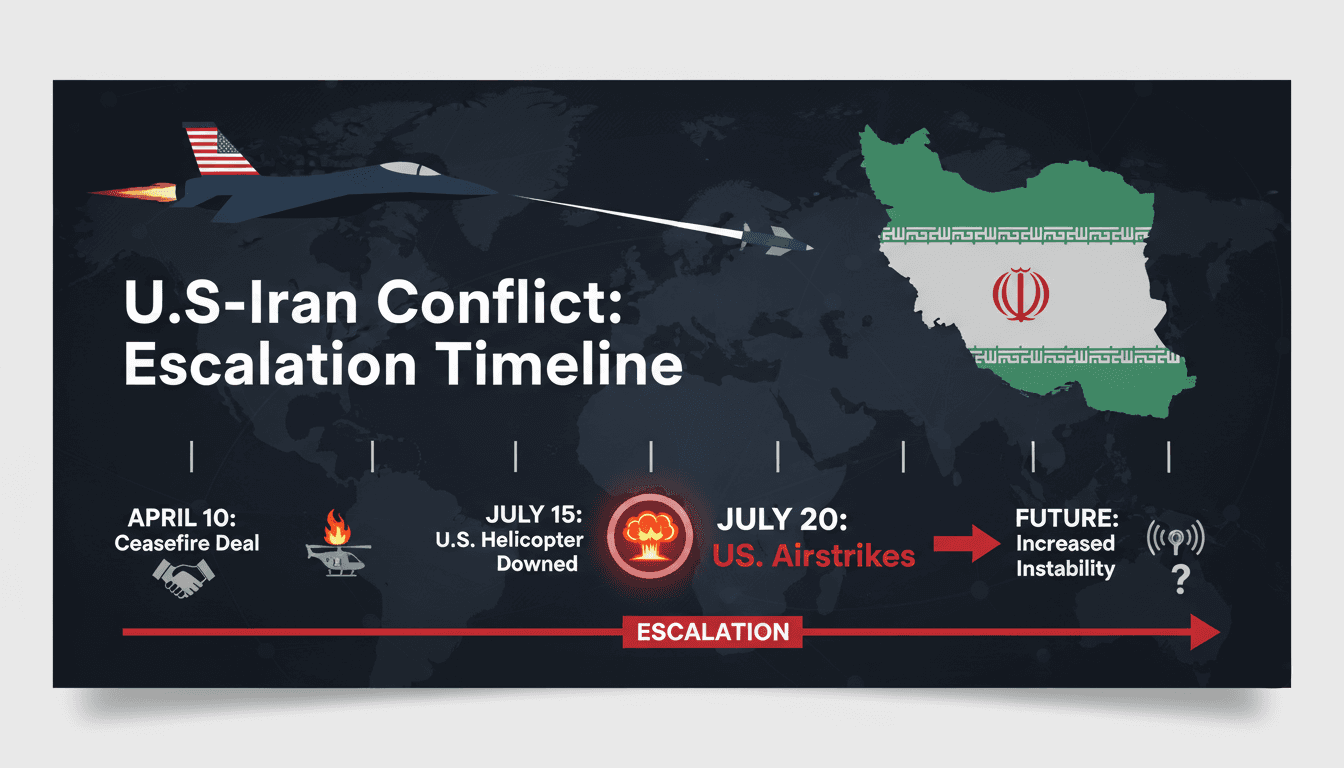
Here's what it means for you.
The recent escalation in U.S. military actions against Iran signals a critical shift in geopolitical dynamics, particularly in the Middle East. Stakeholders, including policymakers and defense analysts, must closely monitor the implications for regional stability and U.S.-Iran relations. The potential for further military confrontations raises concerns about the impact on global oil markets and international diplomatic efforts. As tensions rise, businesses operating in or with interests in the region may face increased risks. Investors should prepare for volatility as the situation develops, particularly in sectors sensitive to geopolitical events.
What happened
The U.S. military has launched a series of airstrikes against Iran, marking a significant escalation in hostilities. This military action follows the downing of a U.S. helicopter over the Strait of Hormuz, which has been cited as a catalyst for the strikes. Defense Secretary Pete Hegseth has indicated that these actions are a direct response to Iran's perceived aggression and the breakdown of a previously agreed ceasefire.
The strikes began on June 10, 2026, and continued for two consecutive days, highlighting the seriousness of the situation. Hegseth has warned that further attacks may occur if necessary, emphasizing a strong military response to Iran's actions. The U.S. is targeting key facilities in Iran, aiming to deter further aggression.
The Context
The recent military actions represent the most serious breach of a ceasefire that was agreed upon in April. The ongoing conflict has drawn in various stakeholders, including regional allies and international observers, who are concerned about the implications for stability in the Middle East. The situation is further complicated by Iran's history of aggressive posturing in the region, which has often led to heightened tensions with the U.S. and its allies.
The timing of these strikes is critical, as they come at a moment when diplomatic efforts to stabilize the region have faltered. The U.S. response underscores its commitment to countering Iranian influence and protecting its interests in the area. As military actions escalate, the potential for broader conflict looms, raising alarms among global leaders.
Takeaway
The ongoing military actions suggest a deteriorating situation that could lead to further conflict in the region. Analysts will be watching closely for potential additional U.S. strikes as tensions escalate. Responses from Iran and the international community will also be crucial in shaping the next steps in this unfolding crisis.
As the U.S. prepares for possible further military actions, the outlook remains volatile. The implications for U.S.-Iran relations and broader Middle Eastern stability are significant, and the situation warrants close attention from all stakeholders involved.
International coverage from The Guardian's global desks.
"The Guardian is known for its progressive editorial stance and in-depth analysis."
— A47 Editor
Is the Iran ceasefire over? What the latest US attacks tell us
The United States has conducted airstrikes against Iran for a second consecutive day, marking a significant escalation in hostilities following the downing of a U.S. helicopter over the Strait of Hormuz. This military action comes after a fragile cea...
Capitol Hill news, legislation, and policy insight.
"The Hill specializes in U.S. politics and policy, with a focus on Capitol Hill developments and a reputation for insider reporting."
— A47 Editor
Impact in Iran after Trump orders more strikes
The U.S. military has launched a new series of strikes against Iran, following a warning from Defense Secretary Pete Hegseth about forthcoming strong military actions. This escalation comes after the downing of an American Apache helicopter by Irania...
Global news coverage with extensive reporting on Middle Eastern conflicts and geopolitics.
"Al Jazeera is a Qatar-based broadcaster known for wide regional coverage and alternative perspectives."
— A47 Editor
‘Negotiate with bombs’: Hegseth defends second night of US strikes on Iran
The United States has conducted airstrikes against Iran for the second consecutive night, with US Central Command attributing these actions to Iran's ongoing aggression. This military response follows the downing of an American Apache helicopter, whi...
Comprehensive coverage of Middle Eastern and global issues.
"Al Jazeera is a prominent voice from the Global South, especially the Middle East, with an emphasis on underreported stories."
— A47 Editor
‘Negotiate with bombs’: Hegseth defends second night of US strikes on Iran
The United States has conducted airstrikes against Iran for the second consecutive night, with US Central Command attributing these actions to Iran's ongoing aggression. This military response follows the downing of an American Apache helicopter, whi...
Regional coverage and analysis focused on politics, diplomacy, and business across the Middle East.
"Al-Monitor is known for analytical reporting on Middle East politics and policy developments."
— A47 Editor
Hegseth: U.S. to bomb 'key facilities' in Iran on Wednesday
U.S. Defense Secretary Pete Hegseth announced that the United States will conduct airstrikes against key facilities in Iran on Wednesday, following a series of escalating tensions and military actions between the two nations. This decision comes afte...
Pan-Arab news coverage spanning politics, business, sports, and regional affairs.
"Asharq Al-Awsat reflects a broad Arab editorial perspective with strong attention to regional geopolitics."
— A47 Editor
وزير الحرب الأميركي: سنضرب إيران بقوة الليلة
U.S. Secretary of War Pete Hegseth announced today that the United States will strike Iran forcefully tonight. This statement indicates a significant escalation in U.S.-Iran tensions, suggesting imminent military action that could have widespread imp...
English-language news from Qatar covering domestic and regional affairs.
"Gulf Times reflects Qatari perspectives on regional developments."
— A47 Editor
It’s back to Square One in US-Iran war
The United States, under Secretary of Defense Pete Hegseth, is preparing for a second day of military strikes against Iran, following President Trump's commitment to intensify attacks. This escalation comes amidst ongoing tensions and military exchan...