
ICE to Equip Officers with Electric Shock Gloves Amid Backlash from Rights Advocates
What happened
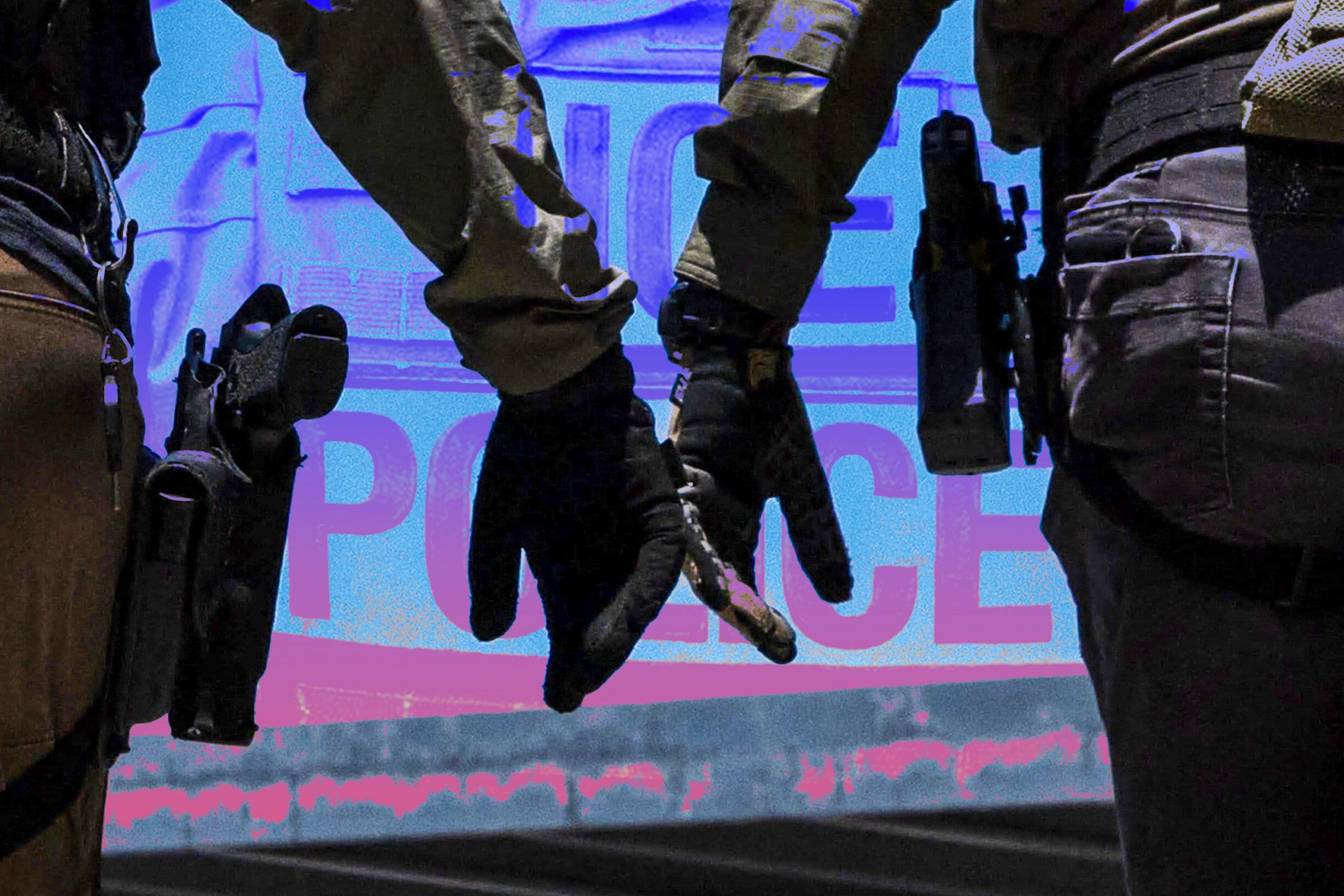
ICE has announced plans to purchase electric shock gloves for its officers, a decision that has sparked backlash from civil rights organizations. The gloves, designed to incapacitate individuals through pain, are part of a $20 million contract aimed at enhancing officer safety and control during encounters. Rights groups, including the ACLU, have condemned the use of such devices, citing the potential for abuse and escalation of violence.
This announcement follows a series of controversial actions by ICE, including fatal incidents involving agents. The gloves are intended to serve as a de-escalation tool, but critics argue that their implementation could lead to increased violence and a lack of accountability.
The Context
The decision to equip ICE officers with electric shock gloves comes amid ongoing scrutiny of the agency's practices and its impact on communities. More than 50 individuals have died in ICE custody since January 2020, raising serious concerns about the agency's treatment of detainees. Civil rights advocates argue that the introduction of such technology could exacerbate existing tensions between ICE and the communities it serves, particularly among marginalized groups.
As ICE moves forward with this controversial purchase, the implications for community relations and public safety are significant. The timing of this announcement, amidst heightened awareness of police practices and accountability, suggests that ICE may face increased opposition from civil rights organizations and the public.
Takeaway
The introduction of electric shock gloves by ICE may escalate tensions between the agency and communities, particularly among marginalized groups. As civil rights organizations prepare to challenge this decision, public response and potential protests are likely to emerge. Observers should monitor the legal landscape as advocates may pursue litigation against the agency's use of such technology.
As ICE implements this new equipment, the agency will likely face intensified scrutiny and opposition, which could influence future policies and practices. The long-term implications of this decision remain to be seen, but it is clear that the controversy surrounding the gloves will not dissipate easily.
Emerging technologies, digital transformation, IT, and cultural impact of tech.
"WIRED covers the intersection of technology, culture, and politics with a progressive, forward-looking editorial stance."
— A47 Editor
The Painful Truth of Exactly How ICE’s New Shock Gloves Work
Immigration and Customs Enforcement (ICE) is investing up to $20 million in electrified gloves designed to deliver painful electric shocks to individuals, aiming to enforce compliance among those they encounter. This initiative raises significant con...
International stories from NPR’s global desk.
"NPR is an American public media organization known for thoughtful reporting and a slightly left-leaning editorial tone."
— A47 Editor
Inflation eased slightly in July. And, ICE plans to give officers electric shock gloves
Inflation showed a slight decrease in July, as reported by the Labor Department, indicating a potential easing of economic pressures. Concurrently, the Immigration and Customs Enforcement (ICE) agency announced plans to equip its officers with electr...
RT is a Russian state-funded network covering global events from a Russian perspective.
"RT is widely criticized for promoting pro-Kremlin narratives and is considered by many to be a state propaganda outlet."
— A47 Editor
ICE to arm agents with shock gloves (VIDEO)
Immigration and Customs Enforcement (ICE) plans to arm its officers with electric shock gloves under a contract worth up to $20 million, a move that has sparked significant controversy regarding the agency's use of force and compliance measures.
International news coverage curated for readers in the UAE and Gulf region.
"Emirates 24|7 world coverage presents global developments through a UAE-facing and Gulf-relevant editorial lens."
— A47 Editor
US immigration agency ICE to buy electric shock gloves for its agents
The U.S. Immigration and Customs Enforcement (ICE) agency has announced plans to purchase electric shock gloves, known as GLOVE units, for its field officers, with a budget of up to $20 million. This decision has raised concerns among rights advocate...