
Iran Issues New Demands as US Intensifies Economic Pressure
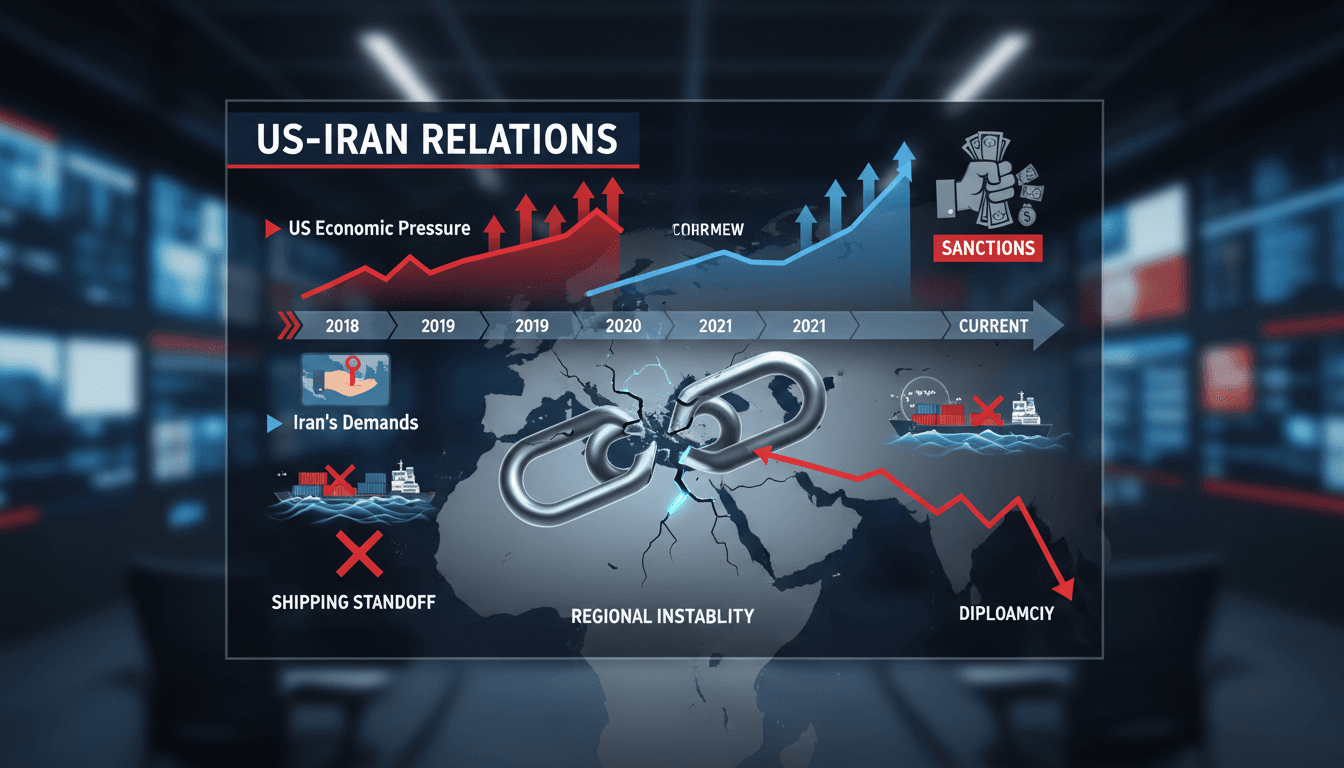
Here's what it means for you.
The escalating tensions between the U.S. and Iran could have significant implications for international markets and regional stability. As Iran issues new demands, the effectiveness of U.S. economic sanctions is under scrutiny, raising questions about future diplomatic efforts. Stakeholders in global trade should remain vigilant, as the ongoing shipping standoff may disrupt supply chains and impact commodity prices. The situation underscores the fragility of U.S.-Iran relations, which could further deteriorate if both sides remain entrenched in their positions. Observers should prepare for potential ripple effects across various sectors, particularly in energy and shipping.
What happened
Iran has recently pressed new demands on the U.S. while the Trump administration intensifies its economic pressure on Tehran. This development comes amid a prolonged shipping standoff that is affecting regional stability and international trade. Analysts are questioning whether the U.S. strategy of leveraging economic sanctions will compel Iran to concede.
The new demands from Iran were issued on August 10, 2026, coinciding with the Trump administration's emphasis on economic pressure. Currently, there has been no progress in negotiations, as indicated by the key number of zero, reflecting the stalemate between the two nations.
The Context
The U.S. aims to influence Iran's behavior through economic sanctions, a strategy that has raised skepticism regarding its effectiveness. The shipping standoff complicates the situation further, as it has implications for global trade dynamics. As both nations navigate this tense landscape, the potential for miscalculations increases, which could exacerbate regional tensions.
The backdrop of these developments includes a complex interplay of geopolitical interests, with both sides unwilling to compromise. The ongoing economic pressure from the U.S. and Iran's firm stance on its demands highlight the challenges in achieving a diplomatic resolution.
Takeaway
The outcome of this standoff could significantly impact U.S.-Iran relations and regional security. Observers should watch for potential responses from Iran to U.S. economic measures, as well as developments in the shipping standoff that may affect global trade. The entrenched positions of both sides suggest that the likelihood of a resolution remains slim, raising concerns about further escalation in the Middle East.
As the situation unfolds, stakeholders should remain alert to shifts in policy and market reactions that could arise from this ongoing crisis.
Regional and international reporting focused on Middle Eastern politics, diplomacy, and economics.
"Asharq Al-Awsat is a Saudi-owned international newspaper reflecting mainstream Gulf political perspectives."
— A47 Editor
Iran Presses Demands on US as Shipping Standoff Grinds on
Iran is intensifying its demands on the United States amid a protracted shipping standoff, particularly concerning the Strait of Hormuz, a critical maritime route for global oil shipments. The Iranian Revolutionary Guards have declared that the water...
UAE-based English-language newspaper covering regional politics, economics, and global affairs.
"The National reflects Emirati policy perspectives while maintaining international editorial standards."
— A47 Editor
Trump is counting on economic pressure to force Iran to capitulate, but will it work?
Former U.S. President Donald Trump is shifting his strategy towards Iran, focusing on increasing economic pressure through sanctions and a naval blockade, rather than military action. This change follows the cancellation of planned military strikes a...
Macro commentary, policy analysis, growth/inflation themes, and global outlooks.
"Contextual macro coverage that complements day-to-day market headlines."
— A47 Editor
Trump says economic pressure building on Iran as Tehran issues fresh demands
Former President Donald Trump stated that economic pressure is increasing on Iran as Tehran issues new demands amid ongoing negotiations. This comes as Iran has linked the reopening of the vital Strait of Hormuz to U.S. concessions, indicating a comp...