
US Intensifies Economic and Military Pressure on Iran Amid Ongoing Conflict
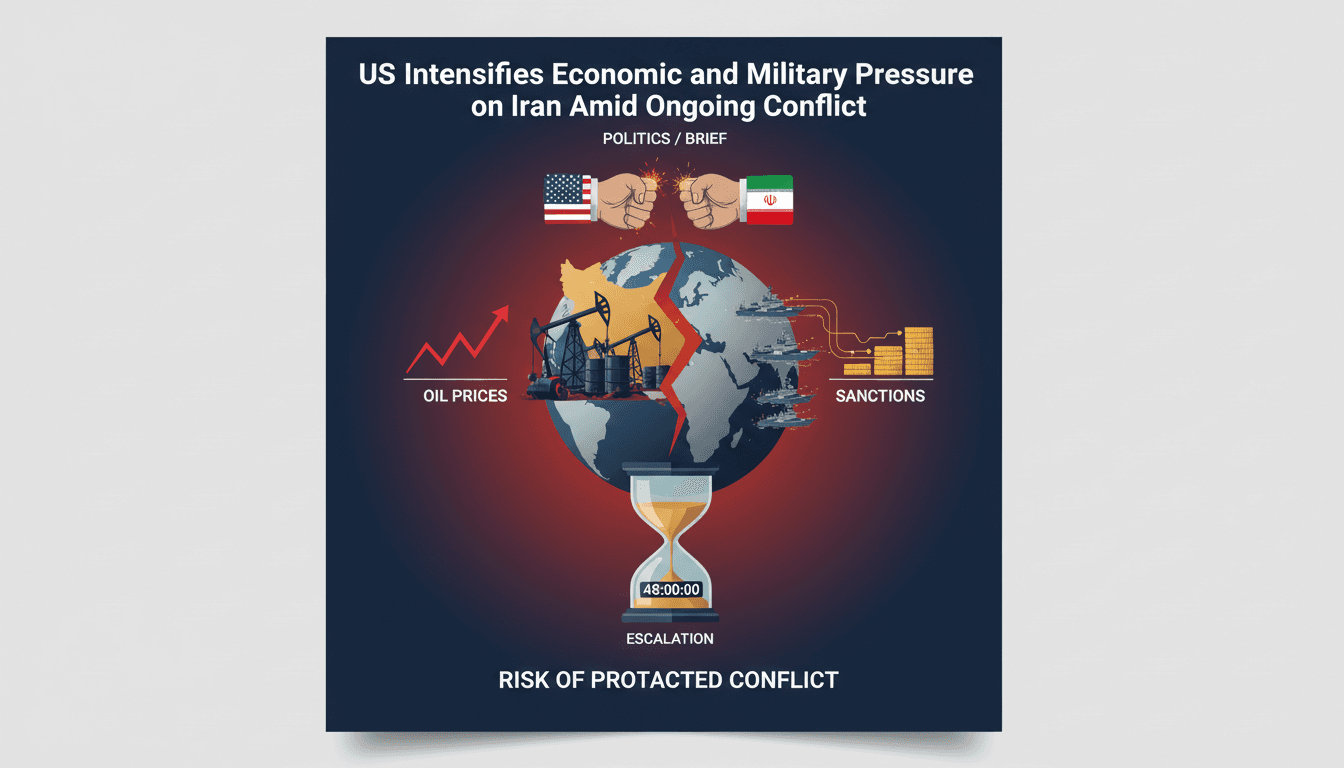
Here's what it means for you.
The recent escalation of U.S. sanctions and military strategies against Iran signals a significant shift in geopolitical dynamics. For businesses and investors, this could mean increased volatility in oil markets and potential disruptions in maritime trade routes. Policymakers will need to navigate the complexities of this conflict, as both sides appear entrenched in their positions, raising the stakes for diplomatic negotiations. As the situation unfolds, stakeholders in energy and defense sectors should prepare for potential impacts on supply chains and market stability. The ongoing conflict may also influence broader regional security policies, necessitating close monitoring of developments.
What happened
In the last 48 hours, the Trump administration has intensified its economic pressure on Iran by implementing additional sanctions and a naval blockade. This move comes amid ongoing military operations that have failed to yield political concessions from Tehran. The U.S. aims to weaken Iran's economy and military capabilities through these intensified measures.
Iran is responding by leveraging high oil prices and potential disruptions in the Strait of Hormuz to counter U.S. strategies. The situation is precarious, with both sides preparing for further military engagement and economic fallout. Experts warn that the conflict, which has already lasted six months, could evolve into a protracted war.
The Context
The U.S. has been focused on applying economic sanctions and military pressure to compel Iran to make political concessions. Tehran, on the other hand, is banking on high oil prices and its maritime capabilities to withstand U.S. pressure. This ongoing conflict has significant implications for global oil markets and regional stability.
As both nations remain unwilling to back down, the risk of a prolonged conflict increases. Experts suggest that repeated cycles of fighting and pauses may allow both sides to rearm, complicating the path to resolution. The current dynamics highlight the challenges in achieving a diplomatic breakthrough.
Takeaway
The U.S. and Iran are engaged in a high-stakes game of economic and military pressure, with the potential for further escalation. Observers should monitor developments in U.S.-Iran negotiations for any signs of a potential ceasefire. Additionally, fluctuations in oil prices and maritime security in the Strait of Hormuz will be critical indicators of the situation's trajectory.
As both sides continue to escalate their strategies, the likelihood of a durable resolution remains uncertain. The ongoing conflict poses risks not only to the involved parties but also to global economic stability and security.
Pan-Arab news coverage spanning politics, business, sports, and regional affairs.
"Asharq Al-Awsat reflects a broad Arab editorial perspective with strong attention to regional geopolitics."
— A47 Editor
هدنة على حافة السقوط... واشنطن وطهران في سباق «من يرمش أولاً»
Washington is intensifying its sanctions and economic pressure on Iran, aiming to stifle its exports and economy, while Tehran is countering by threatening to disrupt navigation in the Strait of Hormuz and keep global energy prices elevated.
Global markets, investing, and macroeconomics from a premier financial newsroom.
"Bloomberg is respected for in-depth financial reporting and data-driven analysis."
— A47 Editor
US-Iran War Risks Repeated Cycles of Fighting
The ongoing conflict between the US and Iran is at risk of becoming a protracted war, as shifting US objectives and the inability of either side to achieve a decisive military victory complicate efforts for a lasting resolution. Becca Wasser from Blo...
Global political, business, and cultural coverage from WSJ international desks.
"The Wall Street Journal offers extensive international reporting with a reputation for financial insight and a center-right editorial stance."
— A47 Editor
The Iran War Is Now About Who Blinks First Under Economic Pressure
The ongoing conflict between the United States and Iran has intensified as the Trump administration reinforces sanctions and a naval blockade, while Tehran anticipates that high oil prices will compel Washington to ease its stance. This standoff high...
Corporate leadership, finance, technology, and market trends.
"Fortune covers financial trends, leadership, and innovation with a pragmatic editorial approach."
— A47 Editor
Trump pivots to economic squeeze of ‘entrenched’ Iran regime
The U.S. is reintroducing sanctions and a naval blockade against Iran as former President Donald Trump intensifies pressure on Tehran following nearly six months of conflict. This strategy aims to economically squeeze the Iranian regime, which Trump ...
English-language digital publication covering business, politics, technology, and current affairs.
"The Arabian Post mixes original and syndicated-style coverage with a broad regional and global business-news orientation."
— A47 Editor
Trump shifts Iran strategy towards economic pressure
The Trump administration is intensifying its strategy towards Iran by increasing economic pressure through tighter sanctions, restrictions on oil exports, and a renewed naval blockade, while also maintaining the threat of military action. This shift ...