
UK government plans regulations on AI in gene synthesis to combat bioweapon threats
What happened
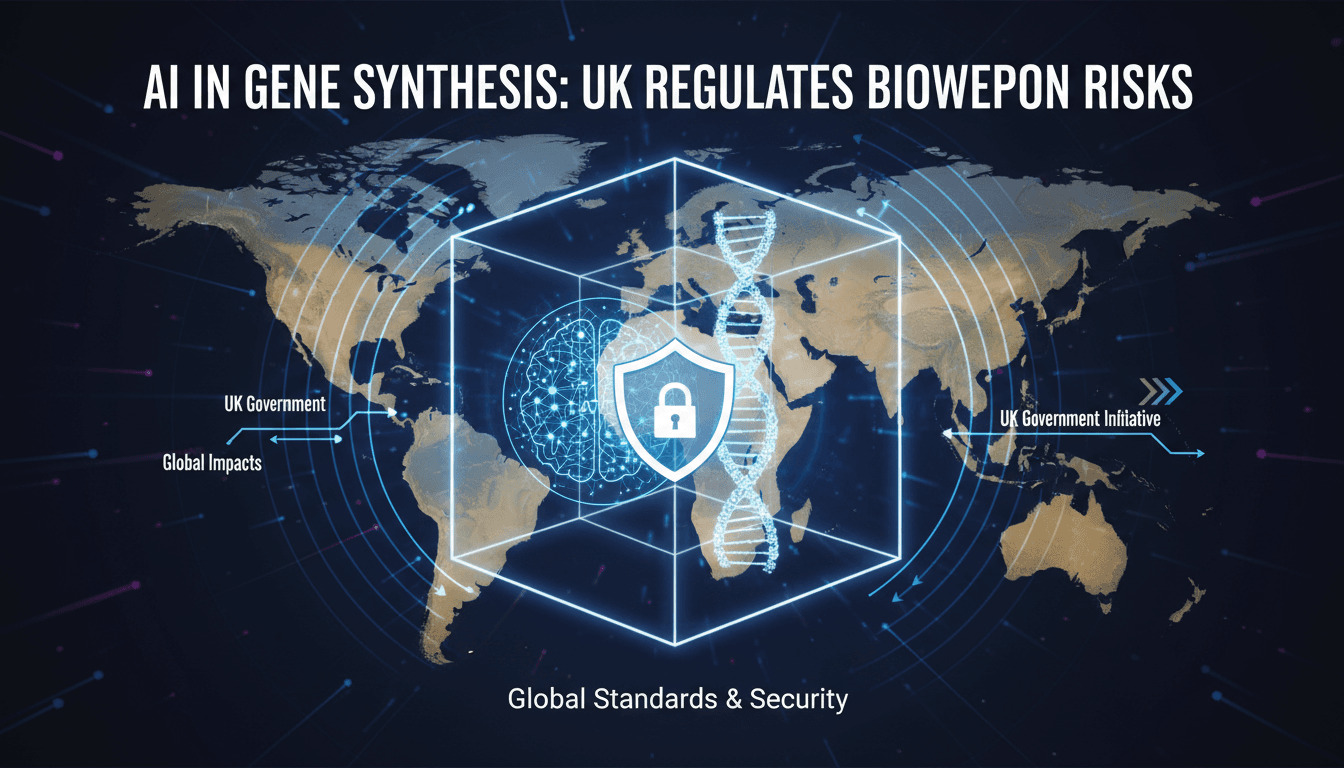
The UK government is planning to implement tighter regulations on artificial intelligence and synthetic DNA to mitigate bioweapon threats. This initiative arises amid increasing concerns about the potential for AI technologies to be misused in the development of bioweapons. Proposed regulations will include stricter screening of synthetic DNA and controls on AI research, aimed at preventing exploitation by malicious actors.
The announcement marks a proactive approach to a pressing issue, as the absence of comprehensive global regulations on AI in gene synthesis has raised alarms. Discussions on these tighter rules began shortly after the announcement, indicating a swift response to the emerging risks.
The Context
There is a growing concern about the implications of unregulated AI technologies in the biological domain, particularly regarding their potential use in bioweapons development. The UK aims to strike a balance between necessary regulation and the facilitation of legitimate research in AI and gene synthesis. As global guardrails for AI technology are currently lacking, national-level interventions like this are becoming increasingly important.
The timing of this initiative is critical, as it reflects a broader trend of countries recognizing the need for safeguards in biotechnology. By taking the lead, the UK may influence other nations to adopt similar measures, fostering a more coordinated global response to the risks associated with AI in this field.
Takeaway
The UK's regulatory approach may set a precedent for other nations facing similar bioweapon risks from AI technologies. As discussions continue, potential international collaborations on AI regulation in biotechnology could emerge, shaping the future landscape of research and safety protocols. Stakeholders should monitor developments closely, as future regulations may significantly impact research practices and compliance requirements.
The initiative also raises questions about the balance between innovation and safety, highlighting the need for ongoing dialogue among researchers, policymakers, and industry leaders.
News and guidance for IT pros on AI adoption.
"Enterprise-focused tips, explainers, and news for professionals."
— A47 Editor
UK Considers Tighter DNA Screening Rules Over AI Bioweapon Risks
The UK government is contemplating stricter regulations on synthetic DNA screening and artificial intelligence (AI) research to mitigate biological threats while ensuring that legitimate scientific endeavors are not impeded. This move comes in respon...
Curated tech headlines including AI stories.
"Influential aggregator surfacing the day’s top tech/AI links."
— A47 Editor
Sources: the UK government is planning to regulate the use of AI in gene synthesis to prevent terrorists and other bad actors from using AI for bioweapons (Ellen Milligan/Bloomberg)
The UK government is planning to implement regulations on the use of artificial intelligence in gene synthesis to mitigate the risk of misuse by terrorists and other malicious actors. This initiative reflects growing concerns regarding the potential ...
Technology business and AI-related headlines.
"Data-driven tech newsroom with global scope."
— A47 Editor
UK Plans Safeguards to Stop Terrorists Using AI For Bioweapons
The UK government is set to implement regulations aimed at controlling the use of artificial intelligence in gene synthesis, driven by concerns that inadequate global safeguards could facilitate the creation of biological weapons by malicious actors.
Technology business news, market impacts, and innovation trends.
"Bloomberg is a premier financial and tech news provider, respected for its in-depth reporting and analytical rigor."
— A47 Editor
UK Plans Safeguards to Stop Terrorists Using AI For Bioweapons
The UK government is set to implement regulations aimed at controlling the use of artificial intelligence in gene synthesis, driven by concerns that inadequate global safeguards could facilitate the creation of biological weapons by malicious actors.