
U.S. Officials Warn of Risks in Iran Nuclear Negotiations
Here's what it means for you.
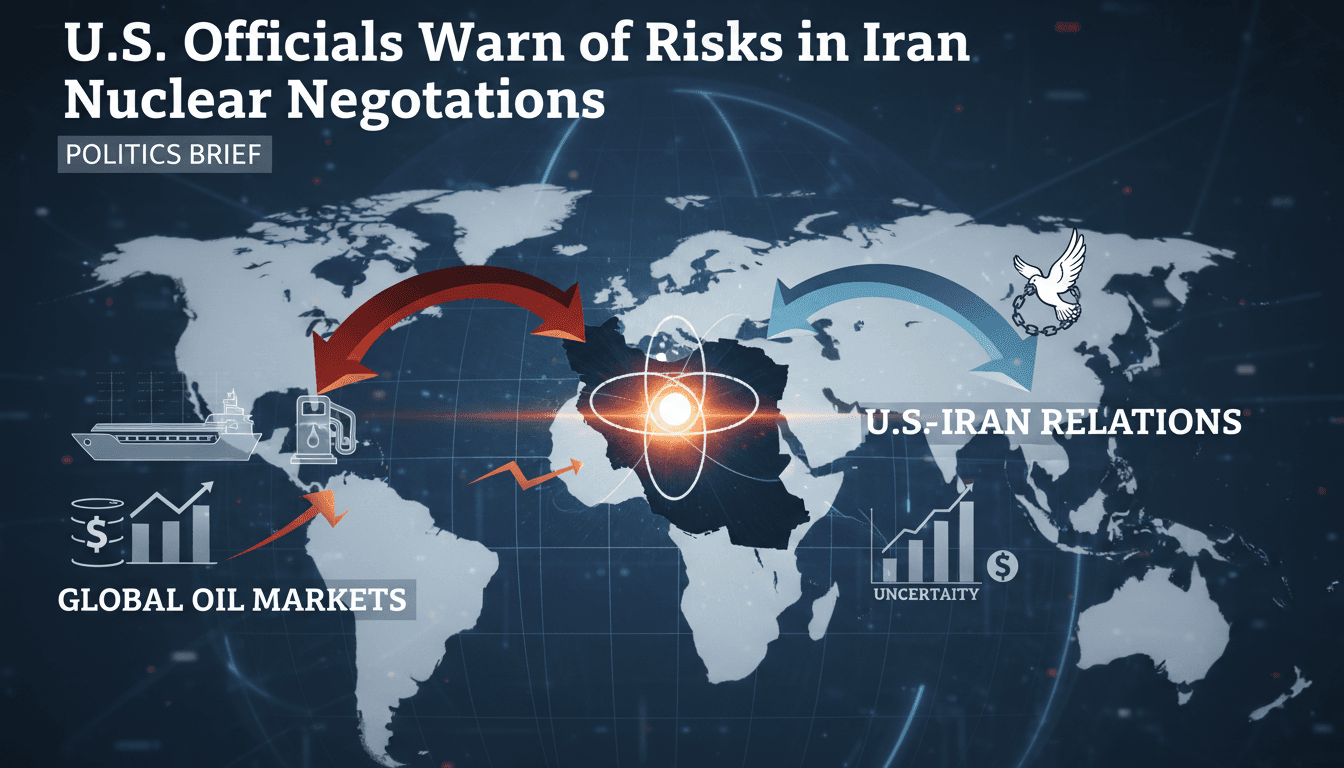
The ongoing negotiations between the U.S. and Iran over the latter's nuclear program could have significant implications for global oil markets and U.S. foreign policy. A poor agreement may lead to heightened tensions and instability in the region, affecting oil supply routes critical to the global economy. Stakeholders in energy markets should closely monitor these developments, as they could influence pricing and availability. As discussions progress, the U.S. must balance its strategic interests with the potential for diplomatic breakthroughs. The outcome of these negotiations will likely shape U.S.-Iran relations for years to come.
What happened
U.S. Secretary of State Marco Rubio has raised alarms about the potential consequences of a subpar agreement with Iran regarding its nuclear program. He emphasized that a bad deal could be worse than no agreement at all, particularly in light of Iran's actions concerning the Strait of Hormuz. This vital maritime route is crucial for global oil shipments, and any disruption could have far-reaching effects.
Negotiations are currently tense, with U.S. officials striving to maintain pressure on Iran while navigating complex geopolitical dynamics. Senator Cory Booker has criticized the current negotiation strategy, suggesting that the U.S. is in a weak position and that the talks have reached a deadlock.
The Context
The Strait of Hormuz is one of the world's most important chokepoints for oil transportation, making its status a critical point of concern in these negotiations. Rubio's stance reflects a broader U.S. strategy to ensure that Iran does not gain leverage over this key maritime route. Meanwhile, Booker's critique highlights internal divisions regarding the effectiveness of U.S. foreign policy towards Iran.
As the negotiations unfold, the U.S. faces both domestic and international pressures to adopt a firm stance. The outcome will not only affect U.S.-Iran relations but also have significant implications for global energy markets and regional stability.
Takeaway
Looking ahead, the U.S. must navigate the complexities of its foreign policy towards Iran while considering the potential for shifts in global oil markets. The negotiations could lead to changes in U.S. sanctions and foreign policy, depending on Iran's compliance with U.S. demands. Observers should also watch for reactions from other countries involved in the nuclear discussions, as their responses could further influence the trajectory of these negotiations.
The stakes are high, and the outcome will likely shape the geopolitical landscape in the Middle East for the foreseeable future.
Egyptian politics, economy, and society coverage.
"Al Masry Al Youm is a major Egyptian newspaper with broad national coverage."
— A47 Editor
واشنطن: اتفاق سيئ مع إيران أسوأ من لا اتفاق
U.S. Secretary of State Marco Rubio warned that if Iran insists on closing the Strait of Hormuz, the blockade will remain firmly in place. He added that Washington is currently negotiating with Iran on points related to the nuclear file.
Arabic-language coverage of international news and geopolitics.
"RT Arabic is a Russian state-funded outlet often criticized for promoting Kremlin-aligned narratives."
— A47 Editor
سيناتور أمريكي لروبيو: نحن أقوى دولة ومع ذلك وصلنا إلى طريق مسدود مع إيران
New Jersey Senator Cory Booker criticized Secretary of State Marco Rubio, describing the negotiations with Iran as a 'deadlock' and accusing Washington of 'begging' to return to the old agreement. This statement highlights the ongoing tensions and ch...
Arabic-language coverage of international news and geopolitics.
"RT Arabic is a Russian state-funded outlet often criticized for promoting Kremlin-aligned narratives."
— A47 Editor
روبيو: إذا فتحت طهران مضيق هرمز فسنرفع الحصار البحري عن إيران
U.S. Secretary of State Marco Rubio stated that the United States would lift its maritime blockade on Iran if Tehran opens the Strait of Hormuz. This statement highlights the ongoing tensions in the region and the strategic importance of the Strait o...