
Israel transfers law enforcement in West Bank from military to police
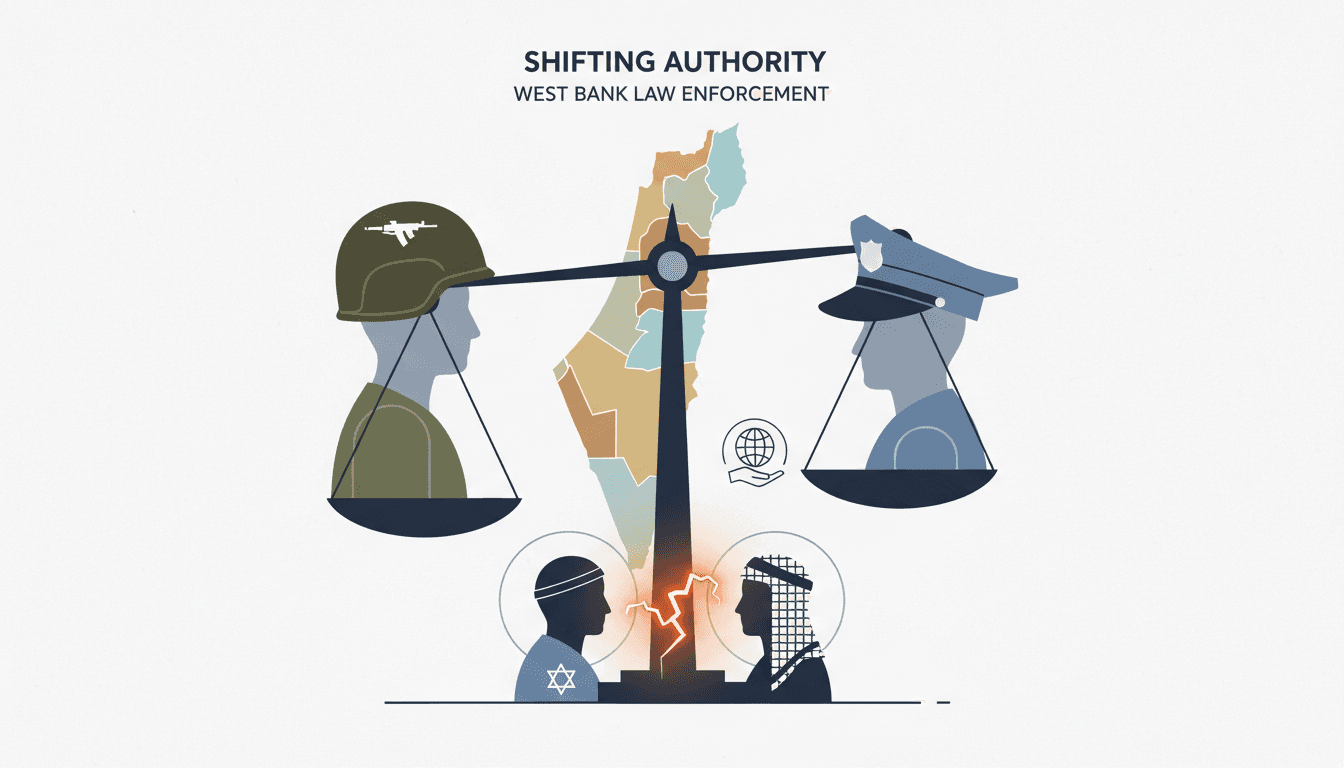
Here's what it means for you.
The recent transfer of law enforcement powers in the West Bank from the military to the police signifies a pivotal shift in Israeli governance. This change, initiated by Defense Minister Yoav Gallant, may escalate tensions between Israeli settlers and Palestinians, raising concerns about potential violence. The implications of this decision could also prompt reactions from the international community, which may feel compelled to intervene in the evolving situation. As the dynamics in the region shift, stakeholders must closely monitor the responses from Palestinian authorities and factions, who have already condemned the move. This development could reshape the landscape of Israeli-Palestinian relations, making it a critical issue for policymakers and analysts alike.
What happened
Israel has officially transferred law enforcement responsibilities in the West Bank from the military to the police. This decision was made by Defense Minister Yoav Gallant under the direction of National Security Minister Itamar Ben Gvir. The police will now have jurisdiction over law enforcement activities concerning settlers in the region, marking a significant policy change.
Palestinian authorities and factions have reacted strongly, viewing this shift as a step towards further annexation of the territory. The announcement was made on August 14, 2026, and has since sparked widespread condemnation from various Palestinian leaders.
The Context
This transfer of powers is part of a broader Israeli policy aimed at consolidating control over the West Bank. Itamar Ben Gvir, known for his hardline stance on security and settlement issues, plays a crucial role in this decision. Palestinian leaders have expressed deep concerns that this move will exacerbate existing tensions and lead to increased violence in the region.
The timing of this decision is critical, as it comes amidst ongoing disputes and heightened sensitivities surrounding Israeli settlements. The implications of this policy shift could have lasting effects on the Israeli-Palestinian conflict, making it a focal point for both local and international stakeholders.
Takeaway
The transfer of law enforcement authority in the West Bank may lead to heightened tensions between Israeli settlers and Palestinians. Observers should watch for potential reactions from the Palestinian Authority and the international community, as these responses could influence future developments in the region.
As the situation evolves, further developments in Israeli domestic policy regarding the West Bank will be essential to monitor. The potential for increased conflict underscores the need for careful analysis of the implications of this significant policy change.
Arabic-language coverage of international news and geopolitics.
"RT Arabic is a Russian state-funded outlet often criticized for promoting Kremlin-aligned narratives."
— A47 Editor
إسرائيل.. نقل ملف الضفة من الجيش للشرطة
Israeli Defense Minister Yoav Gallant has directed the transfer of civil law enforcement responsibilities in the West Bank from the military to police forces under National Security Minister Itamar Ben Gvir. This shift signifies a change in the appro...
Pan-Arab political news and analysis.
"Al-Quds Al-Arabi is a London-based Arabic newspaper known for political coverage."
— A47 Editor
كاتس ينقل صلاحيات ملاحقة المستوطنين إلى شرطة بن غفير.. والسلطة الفلسطينية وفصائل: تكريس للضم
Israeli Defense Minister Yoav Katz announced a plan to transfer law enforcement powers regarding settlers in the occupied West Bank from the military to the Israeli police, which is under the control of far-right Minister Itamar Ben Gvir. This decisi...
Jordanian news and regional updates.
"Roya News is a Jordanian outlet focused on breaking news and local affairs."
— A47 Editor
إعلام عبري: نقل ملف المنشآت والمستوطنات في الضفة الغربية إلى سلطة بن غفير
Israeli media reported that the Minister of War, Israel Katz, announced the transfer of the file concerning settlements and facilities in the West Bank to the authority of Itamar Ben Gvir. This move indicates a significant shift in the management of ...