
Supreme Court Upholds FCC's Authority to Fine AT&T and Verizon
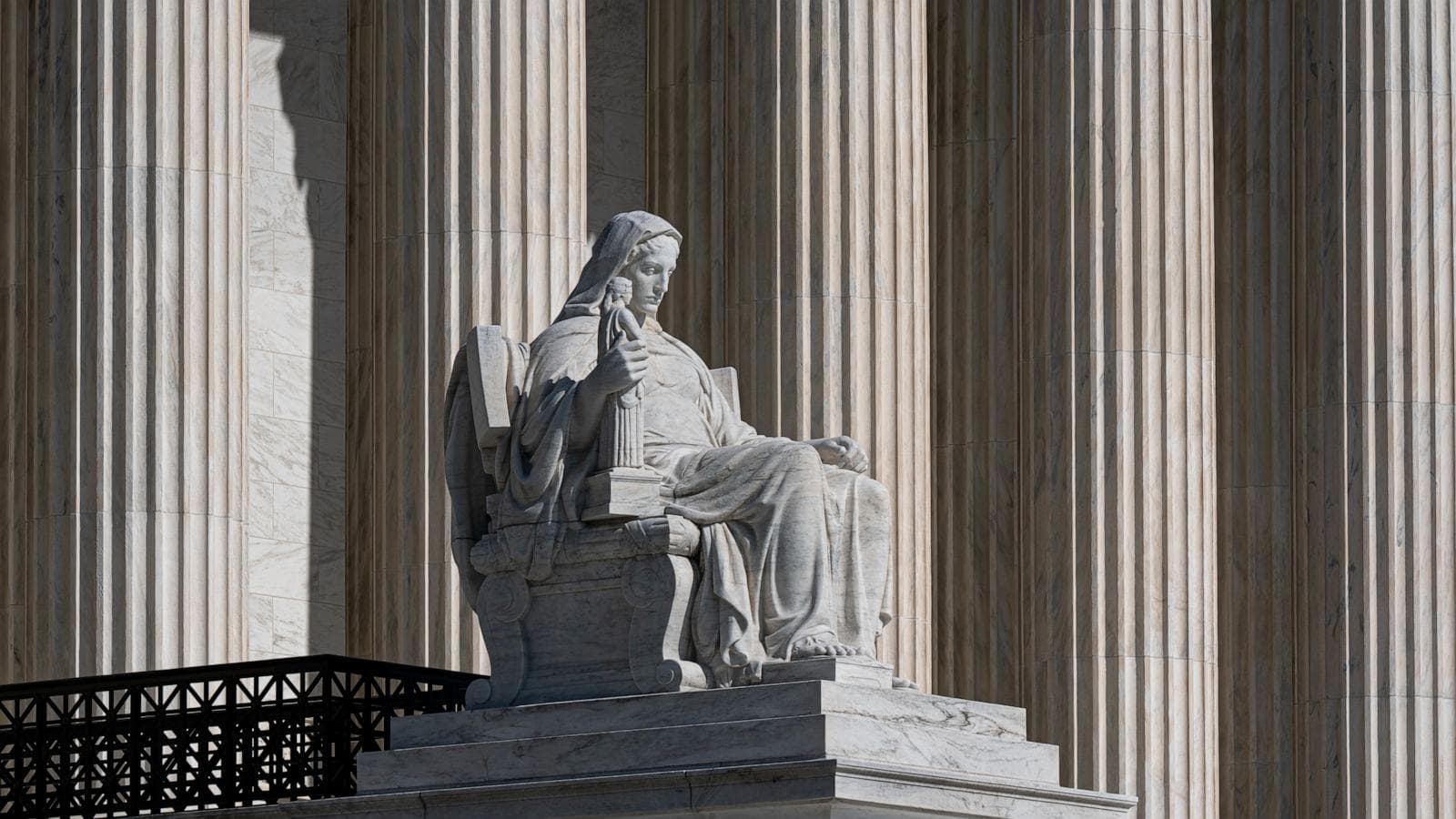
Here's what it means for you.
The U.S. Supreme Court's ruling reinforces the Federal Communications Commission's (FCC) regulatory authority over telecommunications companies, particularly AT&T and Verizon. This decision may lead to increased scrutiny and potential fines for these carriers, impacting their operational strategies and compliance measures. As the FCC gains confidence in its enforcement capabilities, the telecommunications landscape could see more aggressive regulatory actions. The ruling also signals to other regulatory agencies that similar in-house penalty systems may withstand judicial scrutiny, potentially reshaping how federal regulations are enforced across various industries.
What happened
On June 4, 2026, the U.S. Supreme Court delivered an 8-1 ruling in favor of the FCC, affirming its authority to impose fines on wireless carriers AT&T and Verizon. This decision supports the FCC's in-house penalty system, allowing it to enforce regulations without infringing on the companies' right to a jury trial. The case centered on fines related to the sale of location data by these carriers, which had previously challenged the FCC's authority in court.
The overwhelming majority in the ruling indicates strong judicial support for the FCC's regulatory framework. This landmark decision clarifies the agency's powers over telecommunications companies, reinforcing its ability to impose penalties effectively.
The Context
The ruling comes as a significant endorsement of the Trump administration's regulatory approach to telecommunications oversight. By backing the FCC's authority, the Supreme Court has clarified the legal boundaries within which the agency operates, particularly regarding its in-house proceedings. This case highlights the ongoing tension between regulatory bodies and telecommunications companies, as the industry grapples with compliance and legal challenges.
The implications of this ruling extend beyond AT&T and Verizon, potentially affecting other telecommunications providers and regulatory agencies. As the FCC prepares to leverage its enhanced authority, the industry may face a new era of regulatory scrutiny.
Takeaway
This ruling may set a precedent for future regulatory actions by the FCC against telecommunications companies, encouraging the agency to pursue more aggressive enforcement strategies. As the FCC embarks on this path, it could lead to further legal challenges from the industry, particularly as companies seek to protect their interests.
Stakeholders should monitor the evolving regulatory landscape, as the implications of this decision could resonate across various sectors. The ruling not only impacts AT&T and Verizon but also serves as a warning to other carriers regarding compliance with FCC regulations.
Market-moving headlines impacting equities, bonds, and related risk assets.
"Real-time catalysts and volatility drivers across indices and sectors."
— A47 Editor
US Supreme Court backs FCC in clash with wireless carriers over fines
The US Supreme Court has ruled in favor of the Federal Communications Commission (FCC) in a dispute with wireless carriers regarding the imposition of fines, affirming the FCC's authority to enforce penalties against these companies. This decision un...
In-depth coverage of hardware, software, science, and policy.
"Ars Technica provides expert technology news, hardware reviews, and analysis for a technically savvy audience."
— A47 Editor
AT&T and Verizon lose Supreme Court case over fines for selling location data
The U.S. Supreme Court ruled in an 8-1 decision that the Federal Communications Commission (FCC) did not violate the rights of AT&T and Verizon regarding fines imposed for selling location data. This ruling confirms the FCC's authority to impose pena...
In-depth reporting on tech, policy, and science including AI.
"Respected analysis for technically savvy readers, including AI topics."
— A47 Editor
AT&T and Verizon lose Supreme Court case over fines for selling location data
The U.S. Supreme Court ruled in an 8-1 decision that the Federal Communications Commission (FCC) did not violate the rights of AT&T and Verizon regarding fines imposed for selling location data. This ruling confirms the FCC's authority to impose pena...
UK and international business news, economics, and corporate coverage.
"The Guardian’s business section covers finance and markets with a progressive editorial tone."
— A47 Editor
US supreme court backs FCC in clash with wireless carriers over fines
The US Supreme Court has upheld the Federal Communications Commission's (FCC) authority to impose fines on wireless carriers, ruling against AT&T and Verizon's claims for a jury trial. This decision, made with an 8-1 vote, reinforces the FCC's regula...
News from the United States including domestic politics, society, and culture.
"The Guardian is known for its progressive editorial stance and in-depth analysis, often advocating for social justice, environmental issues, and liberal values."
— A47 Editor
US supreme court backs FCC in clash with wireless carriers over fines
The US Supreme Court has upheld the Federal Communications Commission's authority to impose fines on wireless carriers, ruling against AT&T and Verizon in their challenge to the agency. The decision, made with an 8-1 vote, supports the FCC's regulato...
International coverage from The Guardian's global desks.
"The Guardian is known for its progressive editorial stance and in-depth analysis."
— A47 Editor
US supreme court backs FCC in clash with wireless carriers over fines
The US Supreme Court has upheld the Federal Communications Commission's authority to impose fines on wireless carriers, ruling against AT&T and Verizon in their challenge to the agency. The decision, made with an 8-1 vote, supports the FCC's regulato...
Technology innovations, startups, and trends.
"ABC News delivers broad national coverage with a mainstream editorial stance, focusing on accessibility and balanced reporting."
— A47 Editor
Supreme Court sides with Trump administration on federal regulation of telecom companies
The Supreme Court has ruled in favor of the Trump administration regarding the extent of federal regulators' authority over telecommunications companies, affirming the administration's stance on regulatory power.
Curated tech headlines including AI stories.
"Influential aggregator surfacing the day’s top tech/AI links."
— A47 Editor
SCOTUS sides with the FCC in its clash with wireless carriers, upholding the agency's in-house system for levying fines for regulatory violations (John Kruzel/Reuters)
The U.S. Supreme Court has ruled in favor of the Federal Communications Commission (FCC), affirming its authority to impose fines on wireless carriers for regulatory violations. This decision supports the FCC's in-house system for levying penalties, ...