
Iranian Parliament Approves Bill Criminalizing Contacts with US and Israeli Media
Why it matters
This legislation reflects Iran's ongoing efforts to control foreign influence and could impact international media operations in the region.
What happened (in 30 seconds)
- On August 16, 2026, Iran's parliament approved a bill criminalizing communications with US- and Israeli-owned media.
- Violators could face prison terms of six months to two years, with permissions required for other foreign media.
- The bill is part of a broader strategy to counter perceived foreign intelligence influence following the 2025 conflict with Israel.
The context you actually need
- The legislation builds on a 2025 law that imposed stricter penalties for cooperation with foreign entities deemed hostile.
- Iran has a history of limiting foreign influence, including severe penalties for espionage, reflecting long-standing tensions with the US and Israel.
- The bill awaits further parliamentary review and Guardian Council approval, indicating that its final form may still change.
What's really happening
The Iranian parliament's approval of the Countering the Infiltration of Intelligence Services and Foreign Governments or Institutions bill marks a significant escalation in the country's efforts to control information and limit foreign influence. With 183 votes in favor, the bill reflects a growing concern among Iranian lawmakers about the perceived threats posed by US and Israeli media outlets. This legislation is not an isolated incident; it builds on a 2025 law that already imposed stricter penalties for alleged cooperation with hostile states, particularly in the wake of a 12-day conflict with Israel that heightened national security fears.
The bill specifically targets communications with US- and Israeli-owned media, imposing prison terms of six months to two years for violations. This move is indicative of a broader strategy to curb foreign intelligence influence, which Iranian officials believe undermines national sovereignty and security. The legislation also requires individuals to seek permission for interactions with other foreign media, effectively tightening the grip on information dissemination within the country.
The implications of this bill extend beyond mere media interactions. It signals a shift towards increased isolationism and a more stringent approach to foreign relations. The Iranian government has long viewed foreign media as potential tools for espionage and subversion, and this legislation reinforces that narrative. By criminalizing contacts with specific media outlets, Iran aims to deter citizens from engaging with foreign narratives that could challenge the government's authority or promote dissent.
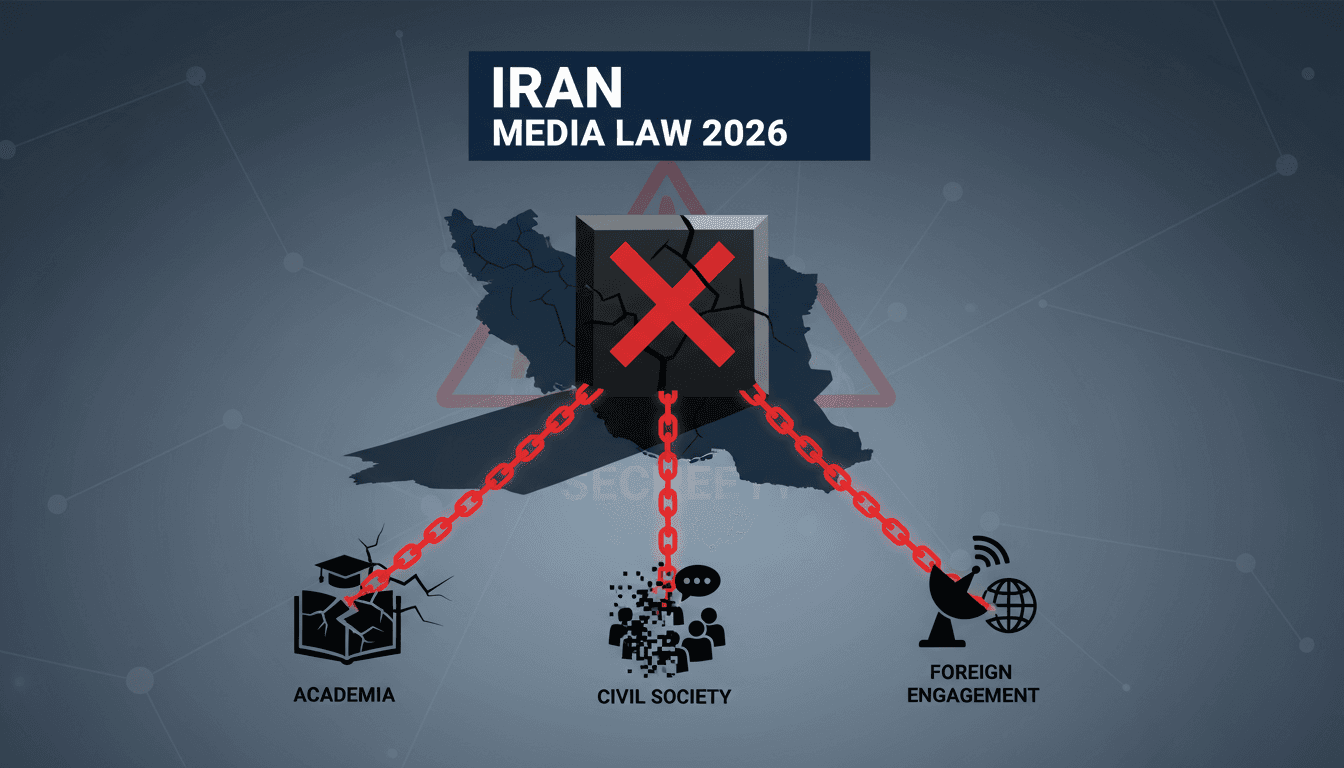
Moreover, the bill's potential impact on scientific cooperation and information sharing with foreigners raises concerns about the future of academic and civil society interactions in Iran. As the government seeks to limit external influences, the risk of stifling innovation and collaboration in various sectors increases, which could have long-term repercussions for the country's development.
In the broader geopolitical context, this legislation may exacerbate tensions between Iran and Western nations, particularly the US and Israel. As Iran continues to assert its sovereignty and resist foreign influence, the likelihood of further isolation from the international community grows. This could lead to a cycle of retaliation, where foreign governments respond with their own restrictions on Iranian media and communications, further entrenching the divide.
Who feels it first (and how)
- Journalists and media professionals: Facing potential legal repercussions for engaging with foreign media.
- Academics and researchers: Likely to encounter restrictions on collaboration and information sharing with international peers.
- Iranian expatriates: May find it harder to access diverse media sources and engage in discussions about their home country.
- Foreign businesses: Those operating in Iran could face challenges in navigating the new media landscape and understanding local sentiments.
What to watch next
- Parliamentary debates: Watch for detailed discussions on the bill's provisions, which could reveal further restrictions or adjustments.
- International media responses: Monitor how foreign media outlets adapt their strategies in light of these new regulations.
- Public backlash: Keep an eye on civil society reactions, as widespread discontent could influence the bill's implementation.
The bill has been approved in principle by the Iranian parliament.
The Guardian Council will review the bill, potentially leading to amendments before final approval.
The full impact on academic and civil society interactions remains to be seen.
Frequently Asked Questions
- Why it matters?
- This legislation reflects Iran's ongoing efforts to control foreign influence and could impact international media operations in the region.
- What happened (in 30 seconds)?
- On August 16, 2026, Iran's parliament approved a bill criminalizing communications with US- and Israeli-owned media. Violators could face prison terms of six months to two years, with permissions required for other foreign media. The bill is part of a broader strategy to counter perceived foreign intelligence influence following the 2025 conflict with Israel.
- What's really happening?
- The Iranian parliament's approval of the Countering the Infiltration of Intelligence Services and Foreign Governments or Institutions bill marks a significant escalation in the country's efforts to control information and limit foreign influence. With 183 votes in favor, the bill reflects a growing concern among Iranian lawmakers about the perceived threats posed by US and Israeli media outlets. This legislation is not an isolated incident; it builds on a 2025 law that already imposed stricter p
- Who feels it first (and how)?
- Journalists and media professionals: Facing potential legal repercussions for engaging with foreign media. Academics and researchers: Likely to encounter restrictions on collaboration and information sharing with international peers. Iranian expatriates: May find it harder to access diverse media sources and engage in discussions about their home country. Foreign businesses: Those operating in Iran could face challenges in navigating the new media landscape and understanding local sentiments.
- What to watch next?
- Parliamentary debates: Watch for detailed discussions on the bill's provisions, which could reveal further restrictions or adjustments. International media responses: Monitor how foreign media outlets adapt their strategies in light of these new regulations. Public backlash: Keep an eye on civil society reactions, as widespread discontent could influence the bill's implementation.
UAE-based English-language newspaper covering regional politics, economics, and global affairs.
"The National reflects Emirati policy perspectives while maintaining international editorial standards."
— A47 Editor
Iranian parliament approves bill criminalising interviews with US and Israeli media
The Iranian parliament has approved a bill that criminalizes interviews with US and Israeli media, reflecting the government's ongoing tensions with these countries. This legislation aims to restrict communication with foreign media outlets that are ...
Regional coverage and analysis focused on politics, diplomacy, and business across the Middle East.
"Al-Monitor is known for analytical reporting on Middle East politics and policy developments."
— A47 Editor
Iranian parliament advances bill to curb foreign influence
Iran's parliament has approved the general principles of a bill aimed at criminalizing interviews and communications with media outlets considered hostile to the Islamic Republic, particularly those funded by the U.S. or Israel, as reported by Shargh...
Regional and international reporting focused on Middle Eastern politics, diplomacy, and economics.
"Asharq Al-Awsat is a Saudi-owned international newspaper reflecting mainstream Gulf political perspectives."
— A47 Editor
Iranian Parliament Advances Bill to Curb Foreign Influence
The Iranian Parliament has advanced a bill aimed at curbing foreign influence within the country, reflecting ongoing concerns about external interference in domestic affairs. This legislative move indicates a significant step in shaping Iran's policy...
Pan-Arab news coverage spanning politics, business, sports, and regional affairs.
"Asharq Al-Awsat reflects a broad Arab editorial perspective with strong attention to regional geopolitics."
— A47 Editor
البرلمان الإيراني يجرم المقابلات مع الإعلام «المعادي»
The Iranian parliament approved a bill on Sunday that criminalizes conducting interviews or any form of communication with media outlets deemed 'hostile' by the authorities. This legislation reflects the government's ongoing efforts to control inform...