
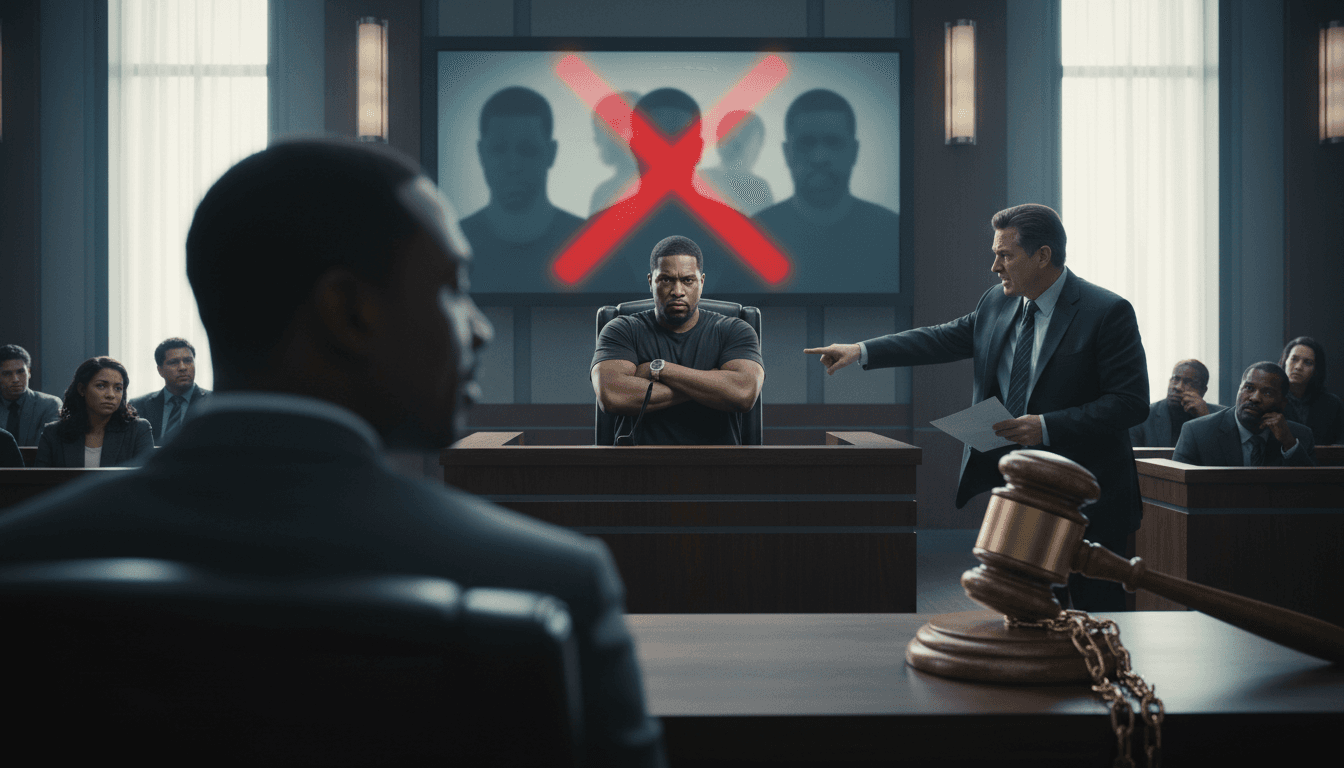
Witness in Tupac Shakur Murder Trial Declares Hostile Status and Refuses Identification
The Vibe
Witness James "Mob James" McDonald’s combative testimony underscores a cultural shift where loyalty to past allegiances continues to overshadow legal accountability.
What it signals
This trial highlights the persistent influence of street codes on witness cooperation, reflecting broader themes of loyalty and identity in professional environments. As the lines between personal history and public duty blur, professionals may find themselves navigating similar tensions in their own networks, where past affiliations can dictate present actions.
Why it's happening now
1. The trial marks 30 years since Tupac's murder, reigniting public interest in unresolved issues of loyalty and justice. 2. The rise of social media has amplified narratives around street culture, making historical events relevant to contemporary discussions on ethics and accountability. 3. A growing focus on criminal justice reform is prompting society to reevaluate the implications of silence and complicity in both personal and professional spheres.
Who it's for (and who it leaves out)
The core beneficiaries are those who navigate complex social networks, leveraging loyalty for personal gain. Conversely, individuals seeking transparency and accountability may feel sidelined in environments where silence is valued over truth.
What to watch next
1. Monitor public sentiment around the trial as it progresses, particularly how it influences discussions on loyalty in professional settings. 2. Observe potential shifts in legal frameworks regarding witness protection and cooperation, which could redefine the balance between loyalty and accountability.
The trial is ongoing, with significant public interest.
Continued testimony will reveal more about the cultural implications of loyalty in gang-affiliated environments.
The long-term impact on witness cooperation in similar cases remains to be seen.
International coverage of politics, culture, and current affairs.
"BBC News is widely regarded as a reputable international news organization, known for its impartial tone and public service mandate."
— A47 Editor
Witness gets combative in Tupac murder trial - 'I don't want to send him to prison'
During the ongoing trial of Duane 'Keffe D' Davis for the 1996 murder of rapper Tupac Shakur, a witness became combative, expressing reluctance to provide testimony that could lead to Davis's imprisonment. This incident highlights the complexities an...
Top international stories selected by The Guardian editors.
"The Guardian is known for its progressive editorial stance and in-depth analysis."
— A47 Editor
Tupac Shakur trial: lawyers share full account of killing as witnesses still refuse to testify
The trial of Duane 'Keffe D' Davis, a 63-year-old former gang leader, has commenced in Las Vegas, marking a significant moment in the nearly 30-year investigation into the murder of rapper Tupac Shakur. Prosecutors accuse Davis of being the orchestra...
Comprehensive coverage of Middle Eastern and global issues.
"Al Jazeera is a prominent voice from the Global South, especially the Middle East, with an emphasis on underreported stories."
— A47 Editor
Tupac Shakur murder trial begins thirty years after his death
The trial of Duane 'Keffe D' Davis, a former gang leader, has commenced in Las Vegas, marking the first prosecution related to the murder of rapper Tupac Shakur nearly 30 years after his death in 1996. Davis, who has pleaded not guilty, is accused of...
News across North, Central, and South America including politics and economics.
"France 24 is viewed as a globally focused outlet with balanced coverage and a European perspective."
— A47 Editor
30 years after fatal shooting, Tupac's murder trial underway in Nevada
The murder trial of Duane 'Keffe D' Davis, a former gang leader, has commenced in Las Vegas, nearly 30 years after the fatal shooting of rapper Tupac Shakur in 1996. Prosecutors allege that Davis orchestrated the drive-by shooting as an act of reveng...