
David Morens Pleads Guilty to Concealing COVID-19 Research Records
Why it matters
This case underscores the importance of accountability in federal research funding and the implications for public trust in health institutions.
What happened (in 30 seconds)
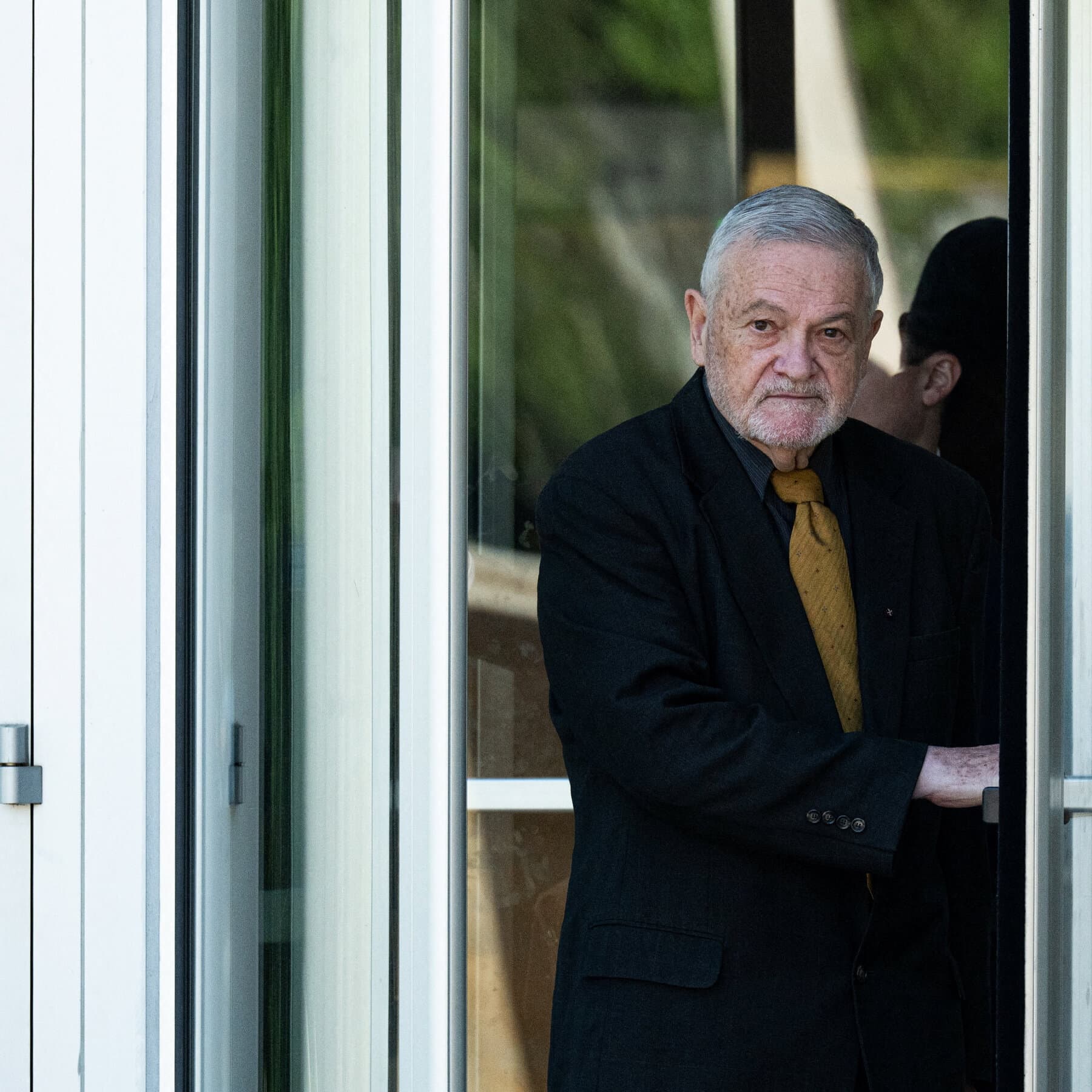
- Dr. David Morens pleaded guilty to conspiracy to conceal COVID-19 research records on August 18, 2026.
- He admitted to using personal email to evade federal record-keeping laws regarding coronavirus research grants.
- Sentencing is set for November 12, 2026, with a maximum penalty of five years in prison.
The context you actually need
- Morens was a senior adviser at NIAID from 2006 to 2022, working closely with Dr. Anthony Fauci.
- The case emerged amid scrutiny of U.S.-funded research linked to the Wuhan Institute of Virology and lab-leak theories.
- Morens and co-conspirators sought to restore funding for a terminated grant while avoiding public scrutiny through FOIA requests.
What's really happening
Dr. David Morens' guilty plea reveals a complex interplay of scientific research, funding, and accountability during a critical period in public health. As a senior adviser at the National Institute of Allergy and Infectious Diseases (NIAID), Morens was deeply involved in the management of federal research grants, particularly those related to coronavirus studies. The case centers on a terminated grant titled "Understanding the Risk of Bat Coronavirus Emergence," awarded to EcoHealth Alliance, which faced scrutiny due to allegations that COVID-19 may have originated from a lab leak.
In response to the termination of this grant, Morens and his associates devised a plan to conceal their communications regarding the funding. They agreed to use personal email accounts to discuss sensitive topics, thereby evading federal record-keeping requirements. This decision was not merely a lapse in judgment; it was a calculated move to protect their interests and those of the scientists involved from public scrutiny, particularly in light of anticipated Freedom of Information Act (FOIA) requests.
The implications of this case extend beyond Morens himself. It raises critical questions about the integrity of federal research funding processes and the ethical responsibilities of public health officials. The actions taken by Morens and his co-conspirators reflect a broader culture within some segments of the scientific community, where the pressure to secure funding can lead to questionable practices. This culture can undermine public trust in health institutions, especially during a pandemic when transparency is paramount.
Moreover, the case has drawn attention to the ongoing debate surrounding the origins of COVID-19. The efforts to restore funding and counter lab-leak narratives suggest a desire to maintain the status quo in scientific discourse, even as new evidence and theories emerge. The fallout from this case could influence future funding decisions and the level of scrutiny applied to research involving potentially dangerous pathogens.
As the legal proceedings continue, the focus will likely remain on the broader implications for public health policy and research governance. The case serves as a reminder that accountability is essential in maintaining public trust, particularly in institutions tasked with safeguarding public health.
Who feels it first (and how)
- Public health officials: Increased scrutiny and pressure to maintain transparency in research funding.
- Scientists and researchers: Potential changes in funding protocols and oversight mechanisms.
- Taxpayers and the general public: Heightened awareness of how federal funds are managed and the importance of accountability.
What to watch next
- Sentencing outcomes: The maximum penalty of five years could set a precedent for future cases involving federal record-keeping violations.
- Congressional inquiries: Continued interest in pandemic origins may lead to further investigations into federal research practices.
- Changes in funding policies: Potential reforms in how research grants are administered and monitored to enhance transparency.
Morens pleaded guilty to conspiracy charges related to concealing COVID-19 research records.
Increased scrutiny on federal research funding and potential reforms in oversight practices.
The long-term impact on public trust in health institutions and future research funding dynamics.
Frequently Asked Questions
- Why it matters?
- This case underscores the importance of accountability in federal research funding and the implications for public trust in health institutions.
- What happened (in 30 seconds)?
- Dr. David Morens pleaded guilty to conspiracy to conceal COVID-19 research records on August 18, 2026. He admitted to using personal email to evade federal record-keeping laws regarding coronavirus research grants. Sentencing is set for November 12, 2026, with a maximum penalty of five years in prison.
- What's really happening?
- Dr. David Morens' guilty plea reveals a complex interplay of scientific research, funding, and accountability during a critical period in public health. As a senior adviser at the National Institute of Allergy and Infectious Diseases (NIAID), Morens was deeply involved in the management of federal research grants, particularly those related to coronavirus studies. The case centers on a terminated grant titled "Understanding the Risk of Bat Coronavirus Emergence," awarded to EcoHealth Alliance, w
- Who feels it first (and how)?
- Public health officials: Increased scrutiny and pressure to maintain transparency in research funding. Scientists and researchers: Potential changes in funding protocols and oversight mechanisms. Taxpayers and the general public: Heightened awareness of how federal funds are managed and the importance of accountability.
- What to watch next?
- Sentencing outcomes: The maximum penalty of five years could set a precedent for future cases involving federal record-keeping violations. Congressional inquiries: Continued interest in pandemic origins may lead to further investigations into federal research practices. Changes in funding policies: Potential reforms in how research grants are administered and monitored to enhance transparency.
RT is a Russian state-funded network covering global events from a Russian perspective.
"RT is widely criticized for promoting pro-Kremlin narratives and is considered by many to be a state propaganda outlet."
— A47 Editor
Fauci aide admits conspiring to hide Covid records
David Morens, a former adviser to Dr. Anthony Fauci, has pleaded guilty to conspiring to conceal government records related to Covid-19 research. This admission raises serious concerns about transparency and accountability in the handling of critical...
Coverage of national news and events from across the United States.
"HuffPost is known for its progressive editorial stance, offering opinionated yet comprehensive coverage on social, political, and cultural topics."
— A47 Editor
Ex-Fauci Adviser Pleads Guilty In COVID-19 Records Scheme
Dr. David Morens, a former adviser to Dr. Anthony Fauci, has pleaded guilty to charges related to a scheme that involved concealing documents pertinent to COVID-19 and grant research. He faces a potential prison sentence of up to five years following...
Health trends, medical research, and fitness reporting.
"The New York Times is a globally recognized newspaper offering authoritative reporting with a center-left editorial stance."
— A47 Editor
Former Fauci Adviser Pleads Guilty to Trying to Conceal Covid-Related Records
Dr. David Morens, a former official at the National Institutes of Health (NIH), has pleaded guilty to attempts to conceal emails related to the origins of the COVID-19 pandemic during his arraignment in U.S. District Court in Greenbelt, Maryland. Thi...
Scientific research, space, environment, and health coverage.
"The New York Times is a globally recognized newspaper offering authoritative reporting with a center-left editorial stance."
— A47 Editor
Former Fauci Adviser Pleads Guilty to Trying to Conceal Covid-Related Records
Dr. David Morens, a former official at the National Institutes of Health (NIH), has pleaded guilty to attempts to conceal emails related to the origins of the COVID-19 pandemic during his arraignment in U.S. District Court in Greenbelt, Maryland. Thi...
Medical headlines, wellness tips, and public health guidance.
"ABC News delivers broad national coverage with a mainstream editorial stance, focusing on accessibility and balanced reporting."
— A47 Editor
Ex-Fauci adviser pleads guilty to plotting to conceal COVID-19 research records
A former senior adviser to Dr. Anthony Fauci has pleaded guilty to conspiring to conceal federal records related to COVID-19 research, raising concerns about transparency in pandemic-related investigations.