
Trump Announces Intent to Renew Summit with Kim Jong Un Amid North Korea's Demands
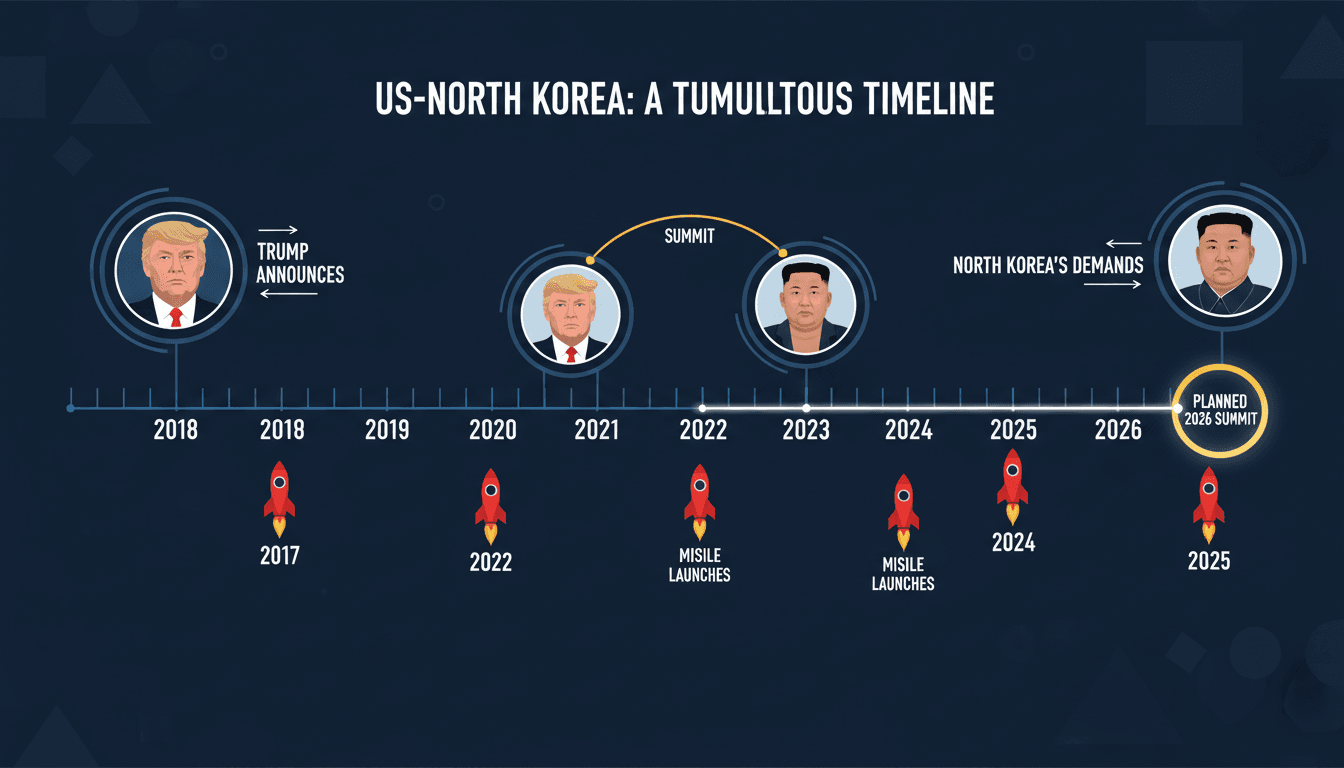
Why it matters
This diplomatic overture could reshape geopolitical alliances and influence economic conditions worldwide.
What happened (in 30 seconds)
- Trump announced plans for a meeting with Kim Jong Un later in 2026, citing their previous rapport.
- North Korea's Kim Yo Jong responded by emphasizing that security concerns must be addressed before any dialogue can proceed.
- North Korea launched approximately 10 ballistic missiles, signaling its discontent with U.S. military activities.
The context you actually need
- Historical backdrop: Trump and Kim previously held three summits from 2018 to 2019, which ultimately failed due to disagreements over nuclear disarmament.
- Current dynamics: North Korea has strengthened ties with Russia and China, diminishing its reliance on U.S. concessions.
- U.S. military posture: Trump's reduction of joint military exercises with South Korea is framed as a goodwill gesture, but North Korea views it as insufficient.
What's really happening
On August 19, 2026, President Donald Trump publicly expressed his desire to meet with North Korean leader Kim Jong Un, signaling a potential thaw in relations that have been fraught since their last summits. This announcement coincided with a strategic shift in U.S. military posture, as Trump announced a scaling back of joint military exercises with South Korea, which he labeled as provocative to North Korea. This move is intended to create a more favorable environment for dialogue, but it also raises questions about U.S. commitment to its allies in the region.
North Korea's response, articulated by senior official Kim Yo Jong, was pointed. While acknowledging a positive personal rapport with Trump, she emphasized that this alone would not suffice. North Korea's security concerns, particularly regarding U.S. military activities, remain paramount. The launch of approximately 10 ballistic missiles shortly after the diplomatic overture serves as a stark reminder of Pyongyang's military capabilities and its willingness to assert its position.
The backdrop of this renewed dialogue is critical. Since the collapse of previous negotiations, North Korea has deepened its economic and political ties with Russia and China, which may embolden its stance in future discussions. Analysts suggest that North Korea's threshold for negotiations has risen, potentially requiring recognition of its nuclear status or significant shifts in U.S. policy as preconditions for engagement.
The U.S. State Department has reiterated its openness to unconditional dialogue, but the lack of a confirmed meeting date and North Korea's demands for policy adjustments indicate that the path forward is fraught with challenges. The interplay of military posturing, diplomatic overtures, and North Korea's evolving alliances creates a complex landscape that could have far-reaching implications for regional stability and global markets.
Who feels it first (and how)
- Government officials in the U.S. and South Korea monitoring diplomatic developments.
- Defense contractors and military sectors assessing impacts of reduced military exercises.
- International businesses with interests in East Asia, particularly those reliant on stable geopolitical conditions.
What to watch next
- North Korea's military activities: Continued missile tests could signal its response to U.S. diplomatic efforts and affect regional security.
- U.S. military strategy: Any further adjustments in military exercises with South Korea will indicate the U.S. approach to North Korea and its allies.
- International diplomatic engagements: Watch for any announcements regarding a potential meeting at the APEC summit, which could set the stage for future negotiations.
Trump has expressed intent to meet Kim Jong Un, and North Korea has launched ballistic missiles.
North Korea will continue to demand significant policy changes before engaging in talks.
The timeline and conditions for a potential summit remain uncertain.
Frequently Asked Questions
- Why it matters?
- This diplomatic overture could reshape geopolitical alliances and influence economic conditions worldwide.
- What happened (in 30 seconds)?
- Trump announced plans for a meeting with Kim Jong Un later in 2026, citing their previous rapport. North Korea's Kim Yo Jong responded by emphasizing that security concerns must be addressed before any dialogue can proceed. North Korea launched approximately 10 ballistic missiles, signaling its discontent with U.S. military activities.
- What's really happening?
- On August 19, 2026, President Donald Trump publicly expressed his desire to meet with North Korean leader Kim Jong Un, signaling a potential thaw in relations that have been fraught since their last summits. This announcement coincided with a strategic shift in U.S. military posture, as Trump announced a scaling back of joint military exercises with South Korea, which he labeled as provocative to North Korea. This move is intended to create a more favorable environment for dialogue, but it also
- Who feels it first (and how)?
- Government officials in the U.S. and South Korea monitoring diplomatic developments. Defense contractors and military sectors assessing impacts of reduced military exercises. International businesses with interests in East Asia, particularly those reliant on stable geopolitical conditions.
- What to watch next?
- North Korea's military activities: Continued missile tests could signal its response to U.S. diplomatic efforts and affect regional security. U.S. military strategy: Any further adjustments in military exercises with South Korea will indicate the U.S. approach to North Korea and its allies. International diplomatic engagements: Watch for any announcements regarding a potential meeting at the APEC summit, which could set the stage for future negotiations.
Arabic-language coverage of political affairs and current events.
"Okaz political coverage typically follows mainstream Saudi framing on national and regional affairs."
— A47 Editor
ترمب يريد لقاء كيم مجددًا.. وكوريا الشمالية تضع شروطًا صعبة
U.S. President Donald Trump is seeking to reopen diplomatic discussions with North Korea, expressing a desire to meet with leader Kim Jong Un again before the year's end. However, North Korea's response has been lukewarm, indicating that a personal r...
Capitol Hill news, legislation, and policy insight.
"The Hill specializes in U.S. politics and policy, with a focus on Capitol Hill developments and a reputation for insider reporting."
— A47 Editor
Trump seeks to rekindle bromance with Kim Jong Un
President Trump is actively seeking to revive his previous rapport with North Korean leader Kim Jong Un, expressing intentions for another meeting following a reduction in joint military exercises with South Korea. This move aims to ease tensions and...
International stories from NPR’s global desk.
"NPR is an American public media organization known for thoughtful reporting and a slightly left-leaning editorial tone."
— A47 Editor
As Trump courts Kim, Pyongyang ups the price, while Seoul fears being sidelined
President Trump is actively seeking to re-engage North Korean leader Kim Jong Un, coinciding with North Korea's increased demands amid heightened military tensions. This shift follows Trump's significant reduction of U.S.-South Korea joint military e...