
Hui Ka Yan Sentenced to Life Imprisonment for Financial Fraud in China
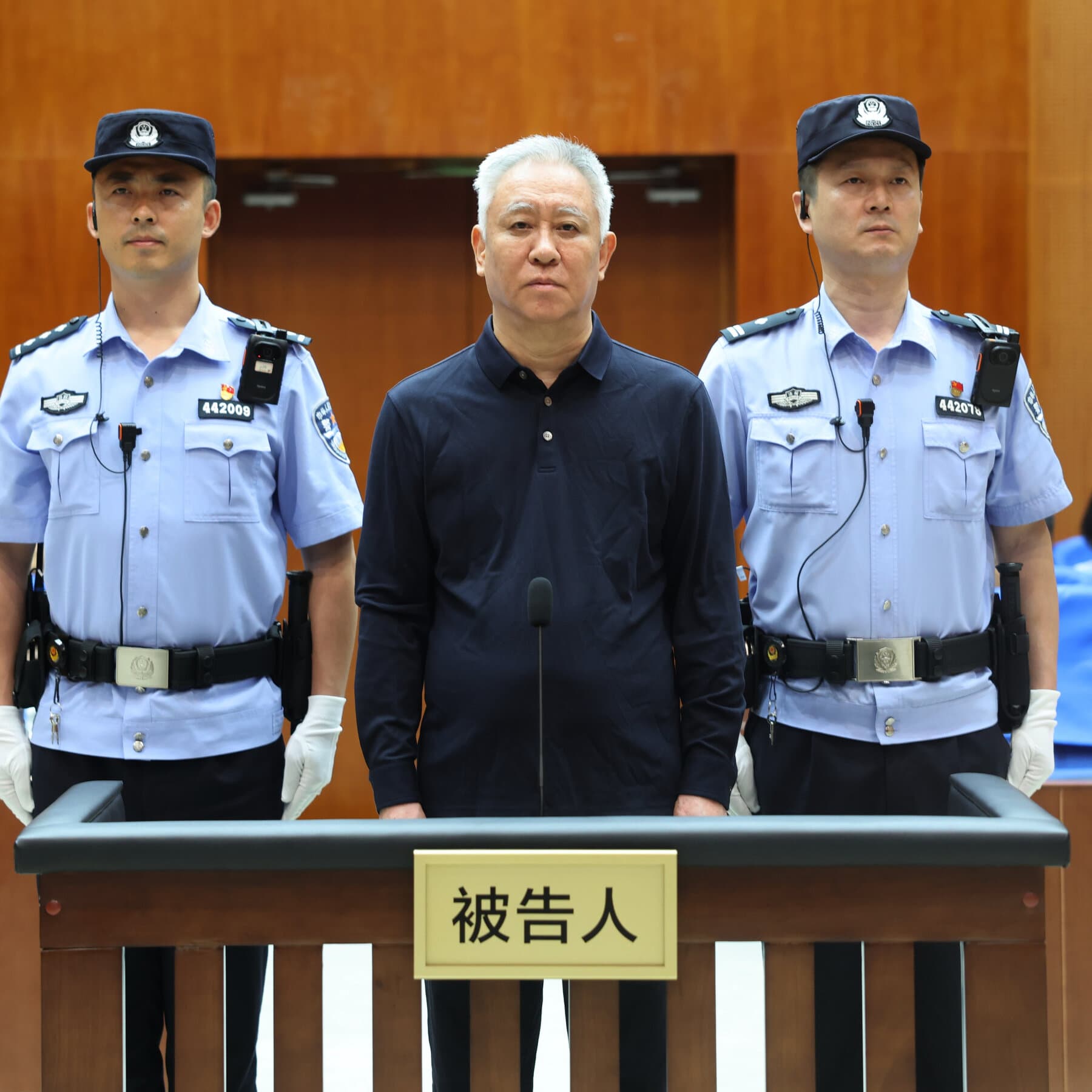
Here's what it means for you.
The sentencing of a major corporate figure in China signals a tightening grip on financial accountability that could ripple through global markets.
Why it matters
This case underscores the increasing regulatory scrutiny in China’s real estate sector, which has significant implications for global investors and economic stability.
What happened (in 30 seconds)
- Hui Ka Yan, founder of Evergrande, was sentenced to life imprisonment for financial fraud on August 20, 2026.
- The Shenzhen Intermediate People’s Court found him guilty of large-scale fraud, misuse of funds, and bribery, leading to the collapse of a company with over $300 billion in liabilities.
- Regulatory actions following the sentencing aim to address systemic risks in China's property sector, impacting banks, investors, and homeowners.
The context you actually need
- Evergrande's rapid growth during China's property boom positioned it as the largest developer, but aggressive borrowing led to its 2021 default.
- The collapse revealed the dangers of over-reliance on real estate for economic growth, triggering a crisis that affected multiple sectors.
- Hui's conviction is part of a broader crackdown on corporate misconduct in China, reflecting the government's commitment to financial discipline.
What's really happening
Hui Ka Yan's life sentence is a culmination of a multi-year investigation into the financial practices of Evergrande, which once stood as a titan in China's booming real estate market. The company expanded aggressively during the property boom, leveraging substantial debt to fuel its growth. However, this strategy backfired when regulatory tightening on borrowing began in 2020, leading to Evergrande's default in 2021. With liabilities exceeding $300 billion, the fallout from this collapse rippled through the economy, affecting banks, investors, and millions of homeowners who had purchased properties that were never completed.
The court's ruling against Hui is significant not only for its immediate impact on him and his company but also for the broader implications it holds for corporate governance in China. The conviction for fraud, misuse of funds, and bribery highlights a systemic issue within the real estate sector, where aggressive financial practices have been tolerated for too long. By sentencing Hui to life imprisonment and imposing hefty fines, the Chinese government is sending a clear message: corporate accountability will be enforced, and those who engage in fraudulent activities will face severe consequences.
This crackdown is part of a larger strategy to stabilize the property market and restore confidence among investors and consumers. The Chinese state media has characterized Hui's actions as causing severe economic losses and social harm, reinforcing the narrative that corporate excess will no longer be overlooked. Analysts suggest that while this case may not lead to immediate disruptions in property markets, it sets a precedent for future regulatory actions against other companies that may be engaging in similar practices.
As the government continues to address systemic risks in the property sector, the implications for global investors are profound. The tightening of regulations could lead to a more cautious investment climate, particularly in sectors heavily reliant on debt. Furthermore, the international community is watching closely, as this case may signal a shift in how China approaches corporate governance and financial regulation moving forward.
Who feels it first (and how)
- Investors in Chinese real estate who may face increased scrutiny and risk in their portfolios.
- Banks that have exposure to Evergrande and similar companies, potentially leading to tighter lending practices.
- Homeowners in China who are affected by the ongoing property crisis and regulatory changes.
- Global investors who may reconsider their strategies in light of increased regulatory risks in China.
What to watch next
- Regulatory changes: Monitor for new policies aimed at increasing corporate accountability in China’s real estate sector, which could affect investment strategies.
- Market reactions: Watch how global markets respond to this case, particularly in sectors linked to Chinese real estate, as investor sentiment shifts.
- Further convictions: Keep an eye on potential additional legal actions against other executives in the real estate sector, which could signal a broader crackdown.
Hui Ka Yan has been sentenced to life imprisonment for financial fraud.
Increased regulatory scrutiny in China’s real estate sector will continue, affecting corporate governance.
The long-term impact on global investment strategies and market stability remains to be seen.
Frequently Asked Questions
- Why it matters?
- This case underscores the increasing regulatory scrutiny in China’s real estate sector, which has significant implications for global investors and economic stability.
- What happened (in 30 seconds)?
- Hui Ka Yan, founder of Evergrande, was sentenced to life imprisonment for financial fraud on August 20, 2026. The Shenzhen Intermediate People’s Court found him guilty of large-scale fraud, misuse of funds, and bribery, leading to the collapse of a company with over $300 billion in liabilities. Regulatory actions following the sentencing aim to address systemic risks in China's property sector, impacting banks, investors, and homeowners.
- What's really happening?
- Hui Ka Yan's life sentence is a culmination of a multi-year investigation into the financial practices of Evergrande, which once stood as a titan in China's booming real estate market. The company expanded aggressively during the property boom, leveraging substantial debt to fuel its growth. However, this strategy backfired when regulatory tightening on borrowing began in 2020, leading to Evergrande's default in 2021. With liabilities exceeding $300 billion, the fallout from this collapse ripple
- Who feels it first (and how)?
- Investors in Chinese real estate who may face increased scrutiny and risk in their portfolios. Banks that have exposure to Evergrande and similar companies, potentially leading to tighter lending practices. Homeowners in China who are affected by the ongoing property crisis and regulatory changes. Global investors who may reconsider their strategies in light of increased regulatory risks in China.
- What to watch next?
- Regulatory changes: Monitor for new policies aimed at increasing corporate accountability in China’s real estate sector, which could affect investment strategies. Market reactions: Watch how global markets respond to this case, particularly in sectors linked to Chinese real estate, as investor sentiment shifts. Further convictions: Keep an eye on potential additional legal actions against other executives in the real estate sector, which could signal a broader crackdown.
A curated Gulf News feed featuring major stories across news, business, opinion, and lifestyle.
"Gulf News is a major UAE newspaper whose featured stories feed reflects a broad editorial mix shaped for a Gulf audience."
— A47 Editor
China jails founder, fines disgraced property giant Evergrande
The founder of Evergrande, a major Chinese property developer, has been sentenced to prison, and the company has been fined significantly as part of a broader crackdown on corporate misconduct in China. This action underscores the government's ongoin...
UAE-based newspaper covering Gulf politics, society, and international developments.
"Gulf News is one of the UAE’s most prominent English-language publications."
— A47 Editor
China jails founder, fines disgraced property giant Evergrande
The founder of Evergrande, a major Chinese property developer, has been sentenced to prison, and the company has been fined significantly as part of a broader crackdown on corporate misconduct in China. This action underscores the government's ongoin...
Markets, economy, and company analysis from NYT’s business desk.
"The New York Times is a globally recognized newspaper offering authoritative reporting with a center-left editorial stance."
— A47 Editor
China Sentences Evergrande Founder to Life in Prison
Hui Ka Yan, the founder of Evergrande, has been sentenced to life in prison by a court in Shenzhen, China, marking a significant legal consequence for the real estate mogul whose company played a pivotal role in triggering a major property crisis in ...
English-language news from Qatar covering domestic and regional affairs.
"Gulf Times reflects Qatari perspectives on regional developments."
— A47 Editor
China jails founder, fines disgraced property giant Evergrande
China has sentenced the founder of Evergrande, a major property developer, to life in prison and imposed a fine exceeding $2 billion due to fraud and other offenses, marking a significant escalation in the government's crackdown on corporate malfeasa...
Breaking news, politics, business, and entertainment from the U.S. and around the world.
"The New York Post is a tabloid-format newspaper known for its sensationalist headlines and conservative-leaning editorial tone."
— A47 Editor
Evergrande founder Hui Ka Yan, once Asia’s richest man, sentenced to life in prison after property giant’s collapse
Hui Ka Yan, the founder of the Chinese property giant Evergrande and once Asia's richest man, has been sentenced to life in prison following his guilty plea to eight charges, including misuse of funds and fraud. This sentencing comes after the compan...
Global business headlines with AI angles.
"General business outlet that frequently covers AI."
— A47 Editor
Formerly China's Richest Man, a Disgraced Real Estate Mogul Is Now Headed To Prison For Life
Hui Ka Yan, the founder of the Evergrande Group, has been sentenced to life in prison following the collapse of his property development company, which significantly impacted the Chinese economy just five years ago. This downfall marks a dramatic shi...
Conservative-leaning political and national coverage.
"The Washington Times is a conservative-leaning newspaper known for its political coverage and advocacy of right-of-center viewpoints."
— A47 Editor
Chinese court sentences founder of troubled property developer Evergrande to life in prison
Hui Ka Yan, the founder of Evergrande, has been sentenced to life in prison by a Chinese court for financial crimes, including misuse of funds and fraud, following the collapse of his real estate company, which was once the world's most indebted deve...
Pan-Arab news coverage spanning politics, business, sports, and regional affairs.
"Asharq Al-Awsat reflects a broad Arab editorial perspective with strong attention to regional geopolitics."
— A47 Editor
من 45 مليار دولار إلى المؤبد... رحلة سقوط مؤسس «إيفرغراند»
The story of Hui Ka Yan, the founder of the Chinese Evergrande Group, has transformed from a prominent tale of economic ascent to a stark symbol of collapse, with his wealth plummeting from $45 billion to a life sentence.
International stories from NPR’s global desk.
"NPR is an American public media organization known for thoughtful reporting and a slightly left-leaning editorial tone."
— A47 Editor
Chinese court sentences founder of property developer Evergrande to life in prison
Hui Ka Yan, the founder of the Chinese property developer Evergrande, has been sentenced to life in prison, marking a significant development in the company's ongoing financial crisis, which has seen it accumulate over $300 billion in liabilities. Th...
Business, investment, entrepreneurship, leadership, and innovation.
"Forbes is known for its coverage of business leaders, market trends, and entrepreneurial ventures with a pro-business editorial stance."
— A47 Editor
Once Asia’s Richest Man, Evergrande Founder Hui Ka Yan Sentenced To Life In Prison
Hui Ka Yan, the founder of Evergrande and once Asia’s richest man, has been sentenced to life in prison nearly five years after his company triggered a significant property crisis in China. This ruling marks a severe legal consequence for the real es...
UAE-based newspaper covering Gulf politics, society, and international developments.
"Gulf News is one of the UAE’s most prominent English-language publications."
— A47 Editor
China jails Evergrande founder for life, fines firm more than $2 billion
Evergrande founder sentenced to life in prison: Chinese court
A curated Gulf News feed featuring major stories across news, business, opinion, and lifestyle.
"Gulf News is a major UAE newspaper whose featured stories feed reflects a broad editorial mix shaped for a Gulf audience."
— A47 Editor
China jails Evergrande founder for life, fines firm more than $2 billion
Evergrande founder sentenced to life in prison: Chinese court
Business, markets, economy, and corporate news with strong UAE and regional relevance.
"Emirates 24|7 business coverage tends to center UAE markets, property, regulation, and regional economic developments."
— A47 Editor
$300b debt crisis: China Evergrande founder sentenced to life in prison
Hui Ka Yan, the billionaire founder of China Evergrande Group, has been sentenced to life in prison by a Chinese court, which also ordered the confiscation of all his personal property. He pleaded guilty to multiple charges, including misuse of funds...
Macro commentary, policy analysis, growth/inflation themes, and global outlooks.
"Contextual macro coverage that complements day-to-day market headlines."
— A47 Editor
China Evergrande founder sentenced to life imprisonment, CCTV reports
The founder of China Evergrande has been sentenced to life imprisonment, as reported by CCTV. This significant legal decision comes amid ongoing scrutiny of the company's financial practices and its impact on the real estate market in China.