
Gordon Sondland Calls for Economic D-Day Sanctions Against Iran
Why it matters
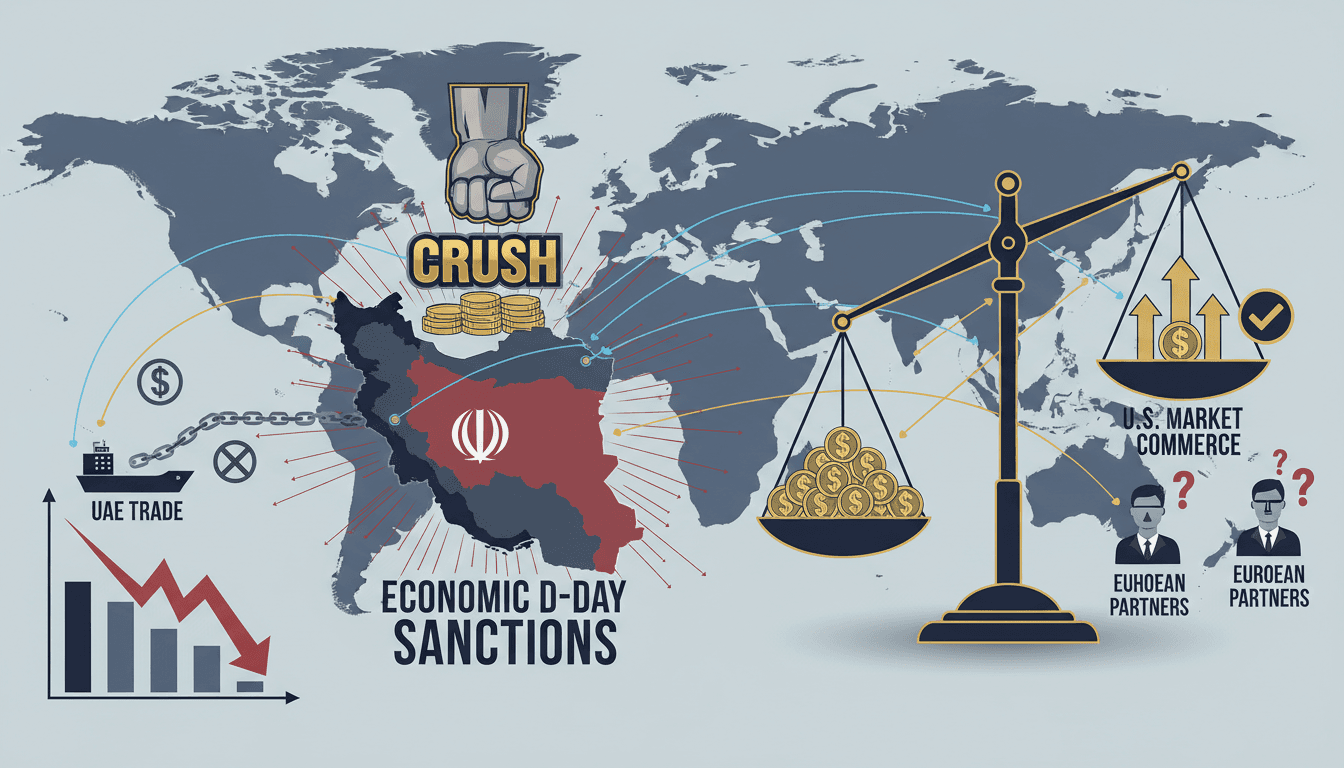
The U.S. push for secondary sanctions could reshape global trade dynamics, particularly for countries engaged with Iran.
What happened (in 30 seconds)
- Gordon Sondland published an op-ed advocating for President Trump's "Economic D-Day" sanctions against Iran.
- UAE's trade suspension with Iran serves as a model for enforcing economic isolation on Tehran.
- Secondary sanctions threaten to limit U.S. market access for countries that continue trading with Iran.
The context you actually need
- Historical sanctions: The U.S. has imposed sanctions on Iran for nearly five decades, impacting its economy and international relations.
- Regional conflict: Ongoing tensions in the Middle East, including missile incidents, have escalated calls for stricter sanctions.
- Economic interdependence: Many U.S. allies, particularly in Europe and Asia, have maintained trade relations with Iran, complicating the sanctions landscape.
What's really happening
Gordon Sondland's op-ed highlights a critical shift in the U.S. approach to Iran, advocating for a more aggressive stance that leverages economic pressure to achieve geopolitical goals. The concept of "Economic D-Day" suggests a definitive moment where U.S. allies must choose between continuing trade with Iran or maintaining access to the lucrative U.S. market. This strategy is rooted in the belief that many countries have enjoyed a "free ride" by benefiting from trade with Iran while relying on U.S. security guarantees.
The UAE's recent suspension of all trade and financial transactions with Iran is a significant development, marking a potential turning point in regional dynamics. This move not only isolates Iran economically but also sets a precedent for other nations to follow suit. Sondland's op-ed calls for similar actions from European and Chinese governments, emphasizing the need for secondary sanctions that would penalize countries that engage with Iran. By creating a "Naughty and Nice List," Sondland aims to hold nations accountable for their economic choices, thereby reinforcing U.S. influence in the region.
The implications of this policy are profound. If successful, it could lead to a significant contraction of Iran's economy, which has already been under strain from previous sanctions. However, the potential backlash from European and Chinese governments, who may resist U.S. pressure, could create friction in international relations. The op-ed also suggests empowering Israel for kinetic operations against Iranian interests, indicating a multi-faceted approach to countering Tehran's influence.
As the U.S. enforces this economic quarantine, the stakes are high for all involved. The balance of power in the Middle East could shift dramatically, depending on how other nations respond to U.S. sanctions and whether they prioritize their economic interests over political alliances.
Who feels it first (and how)
- International traders: Companies engaged in trade with Iran may face immediate disruptions and increased compliance costs.
- Financial institutions: Banks and financial entities that facilitate transactions with Iran could incur penalties or lose access to U.S. markets.
- UAE businesses: Local businesses in Dubai and the UAE that rely on trade with Iran will experience economic contraction and potential job losses.
What to watch next
- European response: Monitor how European governments react to U.S. sanctions and whether they will align with the U.S. or continue trading with Iran. This will indicate the strength of U.S. influence in Europe.
- Oil prices: Keep an eye on global oil prices, which may fluctuate due to tensions and sanctions affecting Iranian oil exports. Rising prices could impact global markets and consumer costs.
- Iran's counteractions: Watch for Iran's responses to increased sanctions, including potential military or economic retaliation. This could escalate regional tensions and affect global stability.
The U.S. has a long history of sanctions against Iran, which have significantly impacted its economy.
Other nations may face pressure to comply with U.S. sanctions, leading to a potential realignment of trade relationships.
The long-term effectiveness of secondary sanctions and their impact on U.S. allies remains uncertain.
Frequently Asked Questions
- Why it matters?
- The U.S. push for secondary sanctions could reshape global trade dynamics, particularly for countries engaged with Iran.
- What happened (in 30 seconds)?
- Gordon Sondland published an op-ed advocating for President Trump's "Economic D-Day" sanctions against Iran. UAE's trade suspension with Iran serves as a model for enforcing economic isolation on Tehran. Secondary sanctions threaten to limit U.S. market access for countries that continue trading with Iran.
- What's really happening?
- Gordon Sondland's op-ed highlights a critical shift in the U.S. approach to Iran, advocating for a more aggressive stance that leverages economic pressure to achieve geopolitical goals. The concept of "Economic D-Day" suggests a definitive moment where U.S. allies must choose between continuing trade with Iran or maintaining access to the lucrative U.S. market. This strategy is rooted in the belief that many countries have enjoyed a "free ride" by benefiting from trade with Iran while relying on
- Who feels it first (and how)?
- International traders: Companies engaged in trade with Iran may face immediate disruptions and increased compliance costs. Financial institutions: Banks and financial entities that facilitate transactions with Iran could incur penalties or lose access to U.S. markets. UAE businesses: Local businesses in Dubai and the UAE that rely on trade with Iran will experience economic contraction and potential job losses.
- What to watch next?
- European response: Monitor how European governments react to U.S. sanctions and whether they will align with the U.S. or continue trading with Iran. This will indicate the strength of U.S. influence in Europe. Oil prices: Keep an eye on global oil prices, which may fluctuate due to tensions and sanctions affecting Iranian oil exports. Rising prices could impact global markets and consumer costs. Iran's counteractions: Watch for Iran's responses to increased sanctions, including potential militar
Conservative-leaning coverage of current events.
"Fox News is a highly influential conservative news outlet known for right-leaning political commentary and coverage."
— A47 Editor
AMB GORDON SONDLAND: Our allies enjoyed a free ride trading with Iran. Trump is shutting that down
President Donald Trump has intensified economic pressure on Iran, compelling U.S. allies to choose between access to the American market and continuing trade with Iran. This strategy, termed 'Economic D-Day,' aims to isolate Iran financially by targe...
Global business headlines with AI angles.
"General business outlet that frequently covers AI."
— A47 Editor
Trump Says U.S. Will Carry Out An 'Economic D-Day' Against Iran. Countries Dealing With Tehran Will Be Targeted Too.
President Donald Trump announced that the United States will implement significant economic measures against Iran, which he termed an 'Economic D-Day,' targeting not only Iran but also countries that engage with Tehran. Trump emphasized that these ac...
Global news coverage with extensive reporting on Middle Eastern conflicts and geopolitics.
"Al Jazeera is a Qatar-based broadcaster known for wide regional coverage and alternative perspectives."
— A47 Editor
Trump vows ‘economic warfare’ on countries helping Iran
U.S. President Donald Trump has threatened 'economic D-Day' against any countries that assist or engage in trade with Iran, emphasizing a new round of sanctions aimed at crippling Iran's economy. This warning comes amid escalating military tensions a...
Comprehensive coverage of Middle Eastern and global issues.
"Al Jazeera is a prominent voice from the Global South, especially the Middle East, with an emphasis on underreported stories."
— A47 Editor
Trump vows ‘economic warfare’ on countries helping Iran
U.S. President Donald Trump has threatened 'economic D-Day' against any countries that assist or conduct business with Iran, escalating tensions amid ongoing geopolitical conflicts. This warning follows his announcement of new economic sanctions, whi...