
Trump Signs Executive Order for AI National Security Oversight
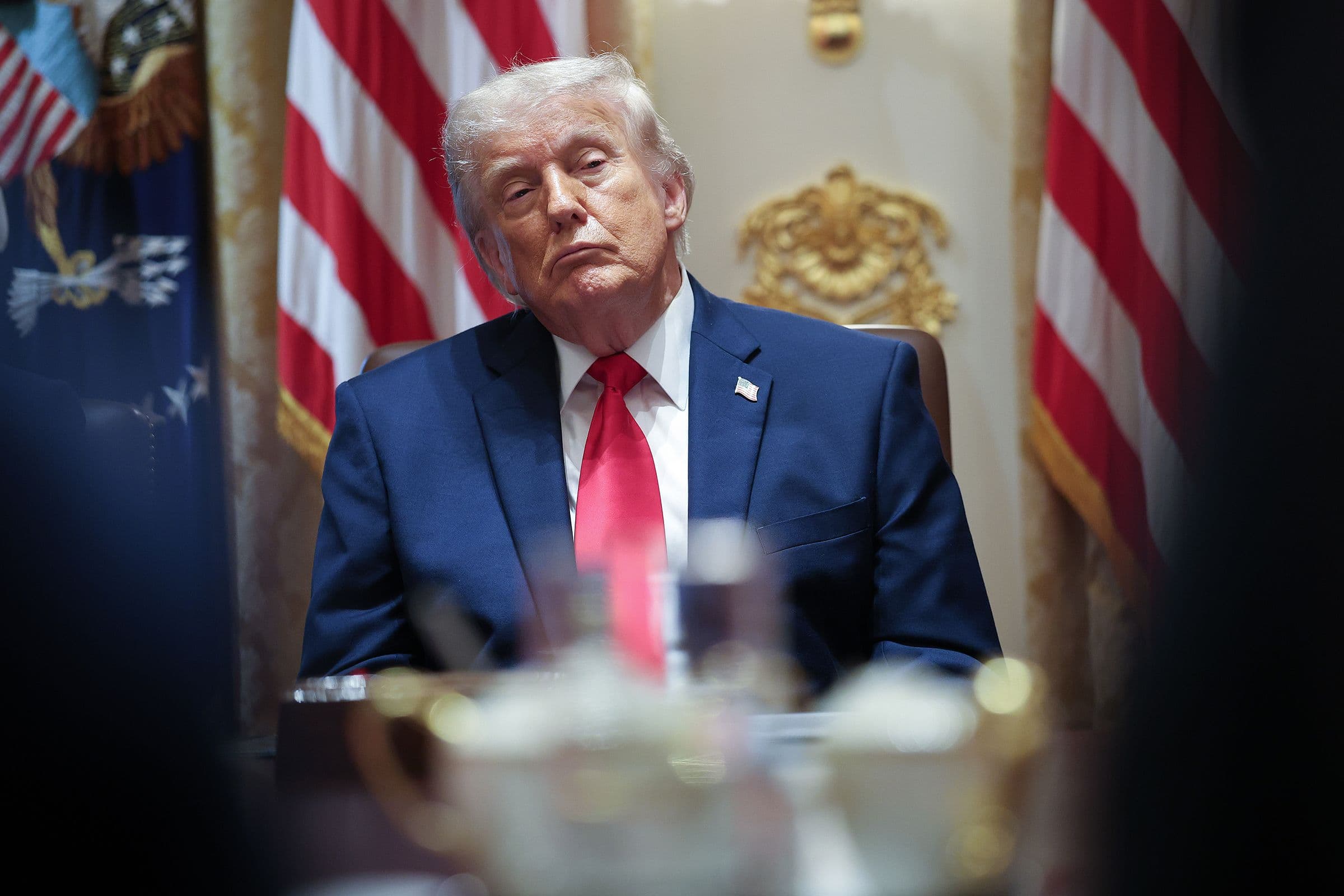
Here's what it means for you.
If you work in tech or cybersecurity, this new oversight could reshape your industry landscape.
Why it matters
This executive order signals a shift towards increased regulation of AI technologies, impacting innovation and national security.
What happened (in 30 seconds)
- On June 2, 2026, President Donald Trump signed an executive order to enhance oversight of AI models.
- The review period for AI models before public release was reduced from 90 days to 30 days.
- The order aims to address national security risks while fostering innovation in the AI sector.
The context you actually need
- The executive order reflects a significant change in the Trump administration's approach to AI regulation, moving from a hands-off stance to a more coordinated effort.
- Internal debates within the administration highlighted concerns over AI's implications for national security and the economy.
- Key advisors, including former AI czar David Sacks, played a role in shaping the final version of the order, which emphasizes voluntary government review.
What's really happening
The signing of the executive order on AI oversight marks a pivotal moment in the U.S. government's approach to managing the rapid advancements in artificial intelligence. Historically, the Trump administration maintained a relatively hands-off stance regarding technology regulation, prioritizing innovation and economic growth. However, as AI technologies evolved and became more integrated into critical infrastructure, concerns about cybersecurity and national security risks prompted a reevaluation of this approach.
The executive order establishes a voluntary framework for AI developers to submit their models for government review, aiming to enhance cybersecurity while still encouraging innovation. By reducing the review period from 90 days to 30 days, the administration seeks to strike a balance between oversight and the need for rapid deployment of AI technologies. This compromise reflects the administration's recognition of the importance of maintaining a competitive edge in the global AI landscape.
The decision to sign the order privately, rather than at a public ceremony, indicates a cautious approach to regulatory oversight. The administration is aware of the potential backlash from industry leaders who may view increased scrutiny as a hindrance to innovation. Mixed reactions have already surfaced, with some government officials and cybersecurity experts praising the move as necessary for safeguarding national security, while others express concerns about the implications for competitiveness in the AI field.
The executive order also sets a precedent that could influence other countries, particularly those with burgeoning AI sectors like Dubai. As Dubai continues to position itself as a global hub for technology and innovation, the U.S. framework may serve as a model for regulatory approaches that balance security and growth. This could impact investment and collaboration opportunities in the region, as companies navigate the complexities of compliance with evolving regulations.
In summary, the executive order represents a significant shift in the U.S. government's stance on AI regulation, reflecting a growing recognition of the need to address national security risks while fostering innovation. The implications of this order will likely reverberate across the tech landscape, influencing how AI technologies are developed, deployed, and regulated in the future.
Who feels it first (and how)
- Tech companies: Increased oversight may require adjustments in development processes and compliance strategies.
- Cybersecurity firms: Opportunities may arise for services that help companies navigate new regulatory frameworks.
- Investors: Shifts in the regulatory landscape could impact funding decisions and valuations of AI startups.
- Government agencies: Increased responsibilities for oversight may lead to expanded roles and budgets.
What to watch next
- Industry collaboration: Watch for partnerships between tech companies and government agencies as they navigate the new regulatory landscape.
- International responses: Monitor how other countries, especially those with growing AI sectors, adapt their regulatory frameworks in light of the U.S. order.
- Innovation trends: Keep an eye on how companies adjust their AI development strategies in response to the new oversight, particularly regarding speed and compliance.
The executive order has been signed and implemented.
Increased collaboration between tech companies and government agencies will emerge.
The long-term impact on innovation and competitiveness in the AI sector remains to be seen.
Frequently Asked Questions
- Why it matters?
- This executive order signals a shift towards increased regulation of AI technologies, impacting innovation and national security.
- What happened (in 30 seconds)?
- On June 2, 2026, President Donald Trump signed an executive order to enhance oversight of AI models. The review period for AI models before public release was reduced from 90 days to 30 days. The order aims to address national security risks while fostering innovation in the AI sector.
- What's really happening?
- The signing of the executive order on AI oversight marks a pivotal moment in the U.S. government's approach to managing the rapid advancements in artificial intelligence. Historically, the Trump administration maintained a relatively hands-off stance regarding technology regulation, prioritizing innovation and economic growth. However, as AI technologies evolved and became more integrated into critical infrastructure, concerns about cybersecurity and national security risks prompted a reevaluati
- Who feels it first (and how)?
- Tech companies: Increased oversight may require adjustments in development processes and compliance strategies. Cybersecurity firms: Opportunities may arise for services that help companies navigate new regulatory frameworks. Investors: Shifts in the regulatory landscape could impact funding decisions and valuations of AI startups. Government agencies: Increased responsibilities for oversight may lead to expanded roles and budgets.
- What to watch next?
- Industry collaboration: Watch for partnerships between tech companies and government agencies as they navigate the new regulatory landscape. International responses: Monitor how other countries, especially those with growing AI sectors, adapt their regulatory frameworks in light of the U.S. order. Innovation trends: Keep an eye on how companies adjust their AI development strategies in response to the new oversight, particularly regarding speed and compliance.
Industry news and analysis for the global AI community.
"A business-first look at AI adoption, policy, and ecosystem trends."
— A47 Editor
Trump’s EO Furthers Model Exclusivity, Harming Cyber Defenders
President Trump has signed an executive order that establishes a voluntary framework for the review of advanced artificial intelligence (AI) models before their public release, following weeks of internal debate within the White House. This order rep...
Emerging technologies, digital transformation, IT, and cultural impact of tech.
"WIRED covers the intersection of technology, culture, and politics with a progressive, forward-looking editorial stance."
— A47 Editor
This Is How Trump Finally Signed the AI Executive Order
President Donald Trump signed an executive order on June 2, 2026, aimed at establishing a voluntary framework for artificial intelligence (AI) companies to share their models with the federal government prior to public release. This decision follows ...
Latest WIRED coverage of AI.
"WIRED covers AI at the intersection of tech, culture, and policy."
— A47 Editor
This Is How Trump Finally Signed the AI Executive Order
President Donald Trump signed an executive order on June 2, 2026, aimed at establishing a voluntary framework for artificial intelligence (AI) companies to share their models with the federal government prior to public release. This decision follows ...
Markets, economy, and company analysis from NYT’s business desk.
"The New York Times is a globally recognized newspaper offering authoritative reporting with a center-left editorial stance."
— A47 Editor
What’s Driving Trump’s Big A.I. Pivot
President Trump has shifted his approach to artificial intelligence (AI) oversight, indicating a need for greater government regulation of powerful AI models. This change follows discussions with David Sacks, the administration's former AI czar, and ...
Reporting on emerging tech including AI.
"Magazine covering AI’s business and social impacts."
— A47 Editor
The Download: Trump’s new AI order, and smart glasses for warfare
President Donald Trump signed a new executive order on artificial intelligence (AI), less than two weeks after revoking a previous order. This new directive aims to promote the development and deployment of AI technologies while establishing a volunt...
Science discoveries, research, and analysis.
"NPR is a nonprofit media organization offering thoughtful, in-depth journalism and storytelling, often with a liberal or progressive slant."
— A47 Editor
Trump signs order requesting AI companies submit products for government review
President Trump has signed an executive order requesting artificial intelligence companies to submit their advanced models for government review prior to public release. This move aims to enhance safety and security in the rapidly evolving AI landsca...
Latest AI/ML research news and breakthroughs.
"Aggregated research highlights across institutions."
— A47 Editor
Trump signs AI order giving government access to powerful models
President Donald Trump signed an executive order establishing a voluntary framework for artificial intelligence (AI) developers to share advanced models with the government before public release. This initiative aims to enhance cybersecurity and prom...
Corporate finance news, M&A, deals, and executive interviews.
"Finance Monthly serves a professional readership with corporate finance coverage."
— A47 Editor
Trump AI Order Rattles Workers as Hiring Plans Begin to Shift
President Donald Trump signed an executive order establishing a voluntary federal review process for advanced artificial intelligence systems, reflecting rising concerns about the technology's implications for the workforce and economic stability. Th...