
UN and ICRC Renew Call for Binding Rules on Autonomous Weapons Systems
Here's what it means for you.
As technological advancements in warfare accelerate, the implications for global security and ethical standards in military operations are profound.
Why it matters
The push for legally binding rules on lethal autonomous weapons systems reflects a critical intersection of technology, ethics, and international law that could redefine modern warfare.
What happened (in 30 seconds)
- On August 25, 2026, the UN and ICRC renewed their call for binding international rules on autonomous weapons systems.
- The statement warns of the risks posed by machines capable of autonomously targeting humans, urging immediate negotiations.
- This appeal builds on over a decade of discussions and a previous call in 2023, highlighting the urgency of establishing human control over lethal force.
The context you actually need
- Geopolitical tensions have accelerated the development of autonomous weapons, particularly in conflict zones like Ukraine and the Middle East.
- Existing international humanitarian law lacks specific binding standards for fully autonomous lethal systems, creating a regulatory gap.
- Major powers, including Russia and the United States, have historically opposed new binding rules, arguing that current laws are sufficient.
What's really happening
The renewed appeal from the UN Secretary-General António Guterres and ICRC President Mirjana Spoljaric underscores a growing concern about the rapid development of lethal autonomous weapons systems (LAWS). These systems, which can operate without human intervention, pose significant ethical and operational challenges. The joint statement emphasizes the need for a two-tier approach: outright prohibitions on weapons that are unpredictable or capable of directly targeting humans, alongside restrictions that ensure meaningful human control over any lethal force deployed.
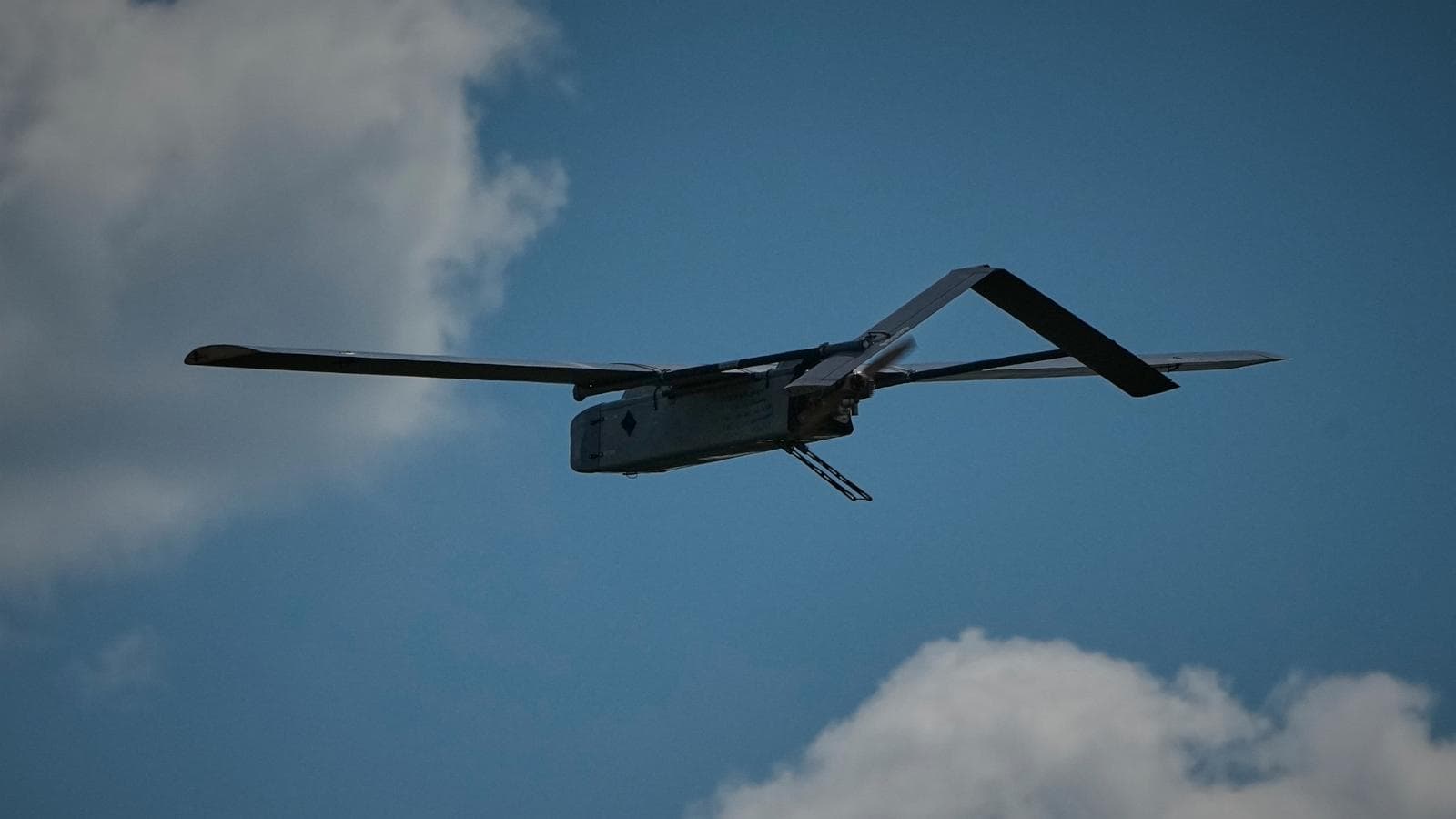
The backdrop to this appeal is a decade-long dialogue within the UN framework, particularly through the Convention on Certain Conventional Weapons (CCW). As conflicts evolve, particularly with the integration of advanced drones and AI-assisted systems, the gap between technological capabilities and regulatory frameworks widens. This situation is exacerbated by the ongoing geopolitical tensions that have led to the increased use of drones and semi-autonomous systems in various conflicts, including those in Ukraine, the Middle East, and Sudan.
The urgency of the appeal is further highlighted by the upcoming Seventh Review Conference of the CCW in November 2026, which is seen as a critical opportunity to initiate negotiations for a legally binding instrument. However, the path forward is fraught with challenges. Major powers like Russia and the United States have expressed resistance to new binding regulations, arguing that existing international humanitarian law is adequate. This opposition raises questions about the feasibility of achieving consensus on new rules, especially given the rapid pace of technological advancement in military applications.
The implications of this appeal extend beyond the immediate military context. As autonomous weapons systems become more prevalent, the potential for misuse or unintended consequences increases, raising ethical concerns about accountability and the moral implications of delegating lethal decision-making to machines. The call for binding rules is not just about regulating technology; it is about preserving human dignity and control in warfare, ensuring that ethical considerations remain at the forefront of military operations.
Who feels it first (and how)
- Military strategists: They must adapt to new regulations that could change operational protocols.
- Defense contractors: Companies developing autonomous systems may face increased scrutiny and regulatory hurdles.
- Humanitarian organizations: They will be directly impacted by the ethical implications of autonomous weapons in conflict zones.
- Governments: National policies on defense and technology will need to align with international standards, affecting military budgets and strategies.
- Civilians in conflict zones: They are at the highest risk from the deployment of autonomous weapons, making the stakes personal and immediate.
What to watch next
- Negotiations at the November 2026 Review Conference: The outcomes will indicate whether a consensus can be reached on binding regulations for autonomous weapons.
- Responses from major powers: Watch for shifts in position from countries like the U.S. and Russia, which could signal a change in the global approach to military technology.
- Technological advancements in autonomous systems: Continued development in this area may outpace regulatory efforts, raising ethical and operational concerns.
The UN and ICRC have issued a renewed call for binding rules on autonomous weapons systems.
Incremental progress toward negotiations at the November 2026 conference, but immediate consensus is unlikely.
The extent to which major powers will shift their positions on binding regulations.
Frequently Asked Questions
- Why it matters?
- The push for legally binding rules on lethal autonomous weapons systems reflects a critical intersection of technology, ethics, and international law that could redefine modern warfare.
- What happened (in 30 seconds)?
- On August 25, 2026, the UN and ICRC renewed their call for binding international rules on autonomous weapons systems. The statement warns of the risks posed by machines capable of autonomously targeting humans, urging immediate negotiations. This appeal builds on over a decade of discussions and a previous call in 2023, highlighting the urgency of establishing human control over lethal force.
- What's really happening?
- The renewed appeal from the UN Secretary-General António Guterres and ICRC President Mirjana Spoljaric underscores a growing concern about the rapid development of lethal autonomous weapons systems (LAWS). These systems, which can operate without human intervention, pose significant ethical and operational challenges. The joint statement emphasizes the need for a two-tier approach: outright prohibitions on weapons that are unpredictable or capable of directly targeting humans, alongside restrict
- Who feels it first (and how)?
- Military strategists: They must adapt to new regulations that could change operational protocols. Defense contractors: Companies developing autonomous systems may face increased scrutiny and regulatory hurdles. Humanitarian organizations: They will be directly impacted by the ethical implications of autonomous weapons in conflict zones. Governments: National policies on defense and technology will need to align with international standards, affecting military budgets and strategies. Civi
- What to watch next?
- Negotiations at the November 2026 Review Conference: The outcomes will indicate whether a consensus can be reached on binding regulations for autonomous weapons. Responses from major powers: Watch for shifts in position from countries like the U.S. and Russia, which could signal a change in the global approach to military technology. Technological advancements in autonomous systems: Continued development in this area may outpace regulatory efforts, raising ethical and operational concerns.
Arabic-language coverage of international news and geopolitics.
"RT Arabic is a Russian state-funded outlet often criticized for promoting Kremlin-aligned narratives."
— A47 Editor
الأمم المتحدة والصليب الأحمر تطالبان بوضع قواعد دولية لتنظيم استخدام "الروبوت القاتل"
The United Nations and the International Committee of the Red Cross have jointly called for a ban or restriction on the use of autonomous weapon systems, commonly referred to as killer robots, warning of the increasing risks associated with these wea...
Pan-Arab news coverage spanning politics, business, sports, and regional affairs.
"Asharq Al-Awsat reflects a broad Arab editorial perspective with strong attention to regional geopolitics."
— A47 Editor
الأمم المتحدة والصليب الأحمر تدعوان إلى تنظيم دولي لأسلحة «الروبوتات القاتلة»
The United Nations and the International Committee of the Red Cross have jointly called for a ban or restriction on the use of autonomous weapon systems, commonly referred to as killer robots. This initiative highlights the growing concern over the e...
Regional coverage and analysis focused on politics, diplomacy, and business across the Middle East.
"Al-Monitor is known for analytical reporting on Middle East politics and policy developments."
— A47 Editor
World must rein in autonomous weapons: UN, Red Cross
The United Nations and the Red Cross have issued a stark warning that the world is perilously close to a future dominated by autonomous weapons, often referred to as 'killer robots'. This alarming statement was made during a press conference by UN Se...
Technology innovations, startups, and trends.
"ABC News delivers broad national coverage with a mainstream editorial stance, focusing on accessibility and balanced reporting."
— A47 Editor
UN and Red Cross step up call for international rules on 'killer robot' weapons systems
The United Nations and the International Red Cross are intensifying their calls for countries to implement bans and restrictions on autonomous weapons systems, commonly referred to as 'killer robots.' This push highlights growing concerns over the et...
Regional and international reporting focused on Middle Eastern politics, diplomacy, and economics.
"Asharq Al-Awsat is a Saudi-owned international newspaper reflecting mainstream Gulf political perspectives."
— A47 Editor
UN, Red Cross Chiefs: World Must Rein in Autonomous Weapons
The United Nations and the Red Cross have issued a critical warning regarding the growing threat of autonomous weapons, often termed 'killer robots', emphasizing the urgent need for global regulation to prevent their unchecked proliferation. This sta...