
Iran and Oman Reach Revenue-Sharing Agreement for Strait of Hormuz
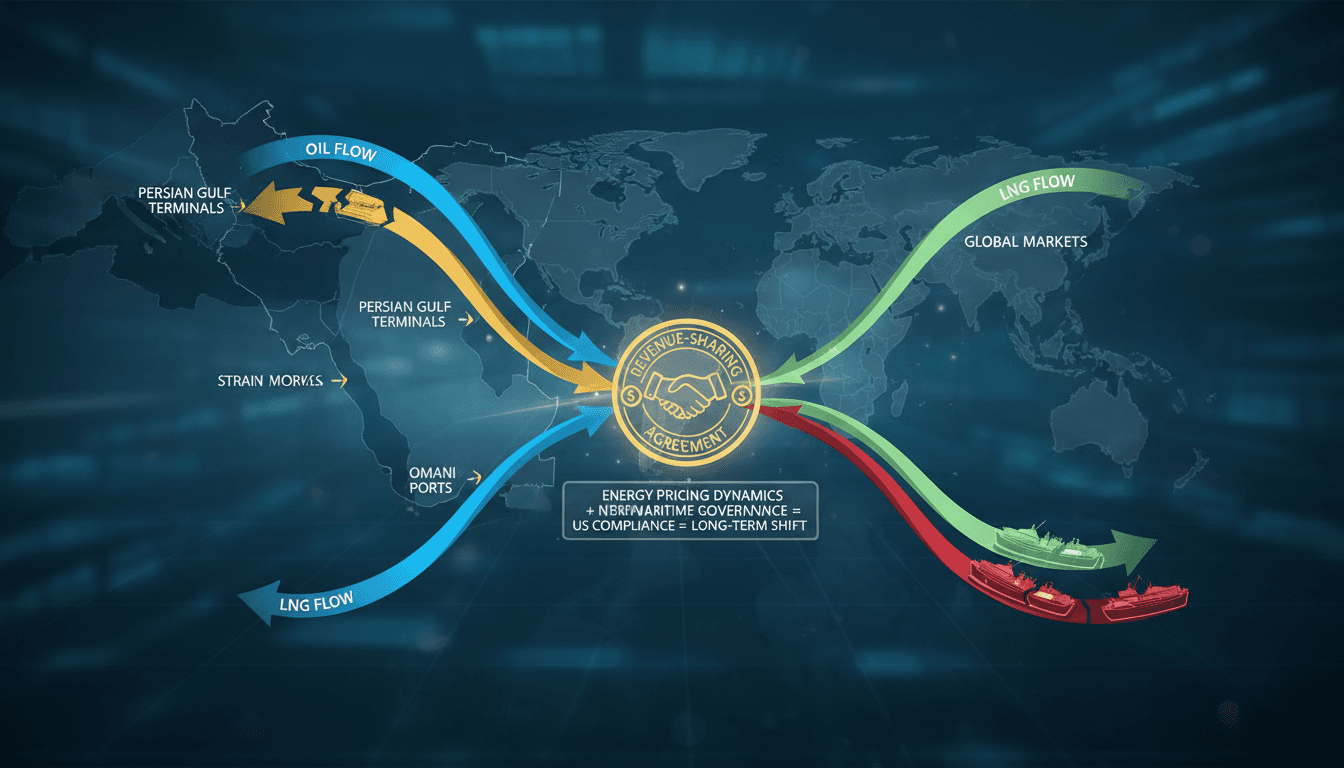
Here's what it means for you.
If you rely on stable energy markets or shipping routes, this agreement could impact your costs and logistics.
Why it matters
The Strait of Hormuz is a critical chokepoint for global oil and LNG trade, affecting energy prices and supply chains worldwide.
What happened (in 30 seconds)
- Iran and Oman announced a revenue-sharing agreement regarding the Strait of Hormuz waters on August 26, 2026.
- The agreement follows bilateral talks aimed at resuming commercial transits and addressing navigation management.
- Implementation hinges on U.S. compliance with prior agreements, as Iran ties reopening to U.S. non-obstruction.
The context you actually need
- The Strait of Hormuz handles approximately 20% of global oil and LNG trade, making it vital for energy security.
- Tensions between Iran and the U.S. have led to significant restrictions in the waterway since early 2026, complicating navigation.
- Iran has sought revenue from security and navigational services, emphasizing the need for coordinated frameworks compliant with international standards.
What's really happening
The recent agreement between Iran and Oman marks a significant development in the geopolitics of the Strait of Hormuz, a waterway that is crucial for global energy supplies. The negotiations intensified over several weeks, culminating in a joint statement from both countries' foreign ministries on August 25, 2026. This statement outlined an interim framework for resuming commercial transits, which includes temporary navigational corridors and mine-clearing projects expected to last between 30 to 60 days.
The Islamic Revolutionary Guard Corps (IRGC) announced on August 26 that specific agreements had been reached regarding the division of the waters and the sharing of revenues generated from the strait. This is particularly important as the Strait of Hormuz has faced significant restrictions due to ongoing tensions between Iran and the U.S., which have complicated navigation and trade in the region. Iranian officials have made it clear that the full reopening of the strait is contingent upon U.S. compliance with previous agreements, which they claim have been obstructed.
The implications of this agreement extend beyond just Iran and Oman. The Strait of Hormuz is a vital artery for global oil and liquefied natural gas (LNG) trade, with approximately 20% of the world's oil and LNG passing through it. Any disruptions or changes in the management of this waterway can have ripple effects on global energy prices and supply chains. For businesses and consumers, this means potential volatility in oil prices and logistics costs, particularly in regions heavily reliant on stable energy markets, such as Dubai.
Moreover, the revenue-sharing model proposed by Iran and Oman could influence long-term energy pricing dynamics. If successful, it may set a precedent for other countries in the region to negotiate similar agreements, potentially reshaping the economic landscape of maritime trade in the Gulf. However, the success of this initiative will largely depend on the broader geopolitical context, particularly the relationship between Iran and the U.S., and the compliance of all parties involved.
Who feels it first (and how)
- Energy companies: They may face fluctuating costs and supply chain disruptions.
- Shipping industries: Changes in navigation protocols could affect logistics and shipping times.
- Consumers in energy-dependent regions: Potential increases in fuel prices could impact household budgets.
- Businesses in Dubai: As a major regional hub, any volatility in oil prices could affect operational costs.
What to watch next
- U.S.-Iran negotiations: Continued discussions could either facilitate or hinder the implementation of the agreement.
- Market reactions: Watch for fluctuations in oil prices and shipping costs as the situation develops.
- Regional compliance: Monitor how other Gulf states respond to this agreement and whether they pursue similar revenue-sharing models.
The Strait of Hormuz is critical for global oil and LNG trade.
The agreement will influence energy pricing dynamics in the region.
The extent to which U.S. compliance will be achieved and its impact on the agreement's implementation.
Frequently Asked Questions
- Why it matters?
- The Strait of Hormuz is a critical chokepoint for global oil and LNG trade, affecting energy prices and supply chains worldwide.
- What happened (in 30 seconds)?
- Iran and Oman announced a revenue-sharing agreement regarding the Strait of Hormuz waters on August 26, 2026. The agreement follows bilateral talks aimed at resuming commercial transits and addressing navigation management. Implementation hinges on U.S. compliance with prior agreements, as Iran ties reopening to U.S. non-obstruction.
- What's really happening?
- The recent agreement between Iran and Oman marks a significant development in the geopolitics of the Strait of Hormuz, a waterway that is crucial for global energy supplies. The negotiations intensified over several weeks, culminating in a joint statement from both countries' foreign ministries on August 25, 2026. This statement outlined an interim framework for resuming commercial transits, which includes temporary navigational corridors and mine-clearing projects expected to last between 30 to
- Who feels it first (and how)?
- Energy companies: They may face fluctuating costs and supply chain disruptions. Shipping industries: Changes in navigation protocols could affect logistics and shipping times. Consumers in energy-dependent regions: Potential increases in fuel prices could impact household budgets. Businesses in Dubai: As a major regional hub, any volatility in oil prices could affect operational costs.
- What to watch next?
- U.S.-Iran negotiations: Continued discussions could either facilitate or hinder the implementation of the agreement. Market reactions: Watch for fluctuations in oil prices and shipping costs as the situation develops. Regional compliance: Monitor how other Gulf states respond to this agreement and whether they pursue similar revenue-sharing models.
Regional coverage and analysis focused on politics, diplomacy, and business across the Middle East.
"Al-Monitor is known for analytical reporting on Middle East politics and policy developments."
— A47 Editor
Iran and Oman reach agreements on share of Hormuz and revenues, Revolutionary Guards say
Iran and Oman have reached agreements regarding their share of the Strait of Hormuz and its associated revenues, as reported by Iran's Revolutionary Guards spokesperson. The agreements come amid ongoing discussions to establish a temporary shipping c...
Pan-Arab political news and analysis.
"Al-Quds Al-Arabi is a London-based Arabic newspaper known for political coverage."
— A47 Editor
الحرس الثوري يعلن التوصل لاتفاقات بشأن تقاسم إيران وعمان إيرادات مضيق هرمز
The Iranian Revolutionary Guard announced that Iran and Oman have reached agreements regarding the sharing of revenues from the Strait of Hormuz. The statement, reported by Tasnim news agency, indicated that U.S. interference has delayed negotiations...
Arabic-language coverage of international news and geopolitics.
"RT Arabic is a Russian state-funded outlet often criticized for promoting Kremlin-aligned narratives."
— A47 Editor
الحرس الثوري يؤكد سيطرته على هرمز ويعلن عن اتفاق مع عمان لتقاسم مياه المضيق
The Iranian Revolutionary Guard announced an agreement with Oman to share the waters of the Strait of Hormuz, detailing the revenue shares for both parties. This agreement highlights the strategic cooperation between Iran and Oman in managing a vital...