
U.S. Army Allocates $2.2 Billion for Nuclear Microreactor Development at Five Bases
Here's what it means for you.
If you work in energy, defense, or technology sectors, this initiative could reshape investment and operational strategies in your field.
Why it matters
This $2.2 billion investment signals a significant shift towards nuclear energy solutions for military resilience and could influence broader energy policies.
What happened (in 30 seconds)
- On August 26, 2026, the U.S. Army announced contracts worth up to $2.2 billion for nuclear microreactor development at five bases.
- Project Janus aims to enhance energy resilience by providing independent power sources capable of up to 20 megawatts each.
- Five companies were selected to develop and operate these reactors, with the first deployment expected by September 2028.
The context you actually need
- The U.S. military has historically relied on diesel generators and commercial grids, especially in remote locations.
- Project Janus was introduced to accelerate microreactor technology amid growing concerns over supply chain vulnerabilities.
- Contractors will own and operate the reactors under Army regulation, bypassing traditional Nuclear Regulatory Commission oversight.
What's really happening
The U.S. Army's decision to invest up to $2.2 billion in nuclear microreactors through Project Janus reflects a strategic pivot towards energy independence and resilience. This initiative is designed to address the military's longstanding challenges with energy supply, particularly in remote and forward-operating bases where traditional power sources are unreliable or vulnerable to disruption.
Historically, the military has depended heavily on diesel generators, which are not only costly but also logistically challenging to maintain, especially in isolated locations like Alaska or various island bases. The introduction of microreactors represents a shift towards a more sustainable and reliable energy source that can operate independently of the commercial grid. Each microreactor is expected to provide up to 20 megawatts of power, sufficient to support critical military operations without the risks associated with fuel supply chains.
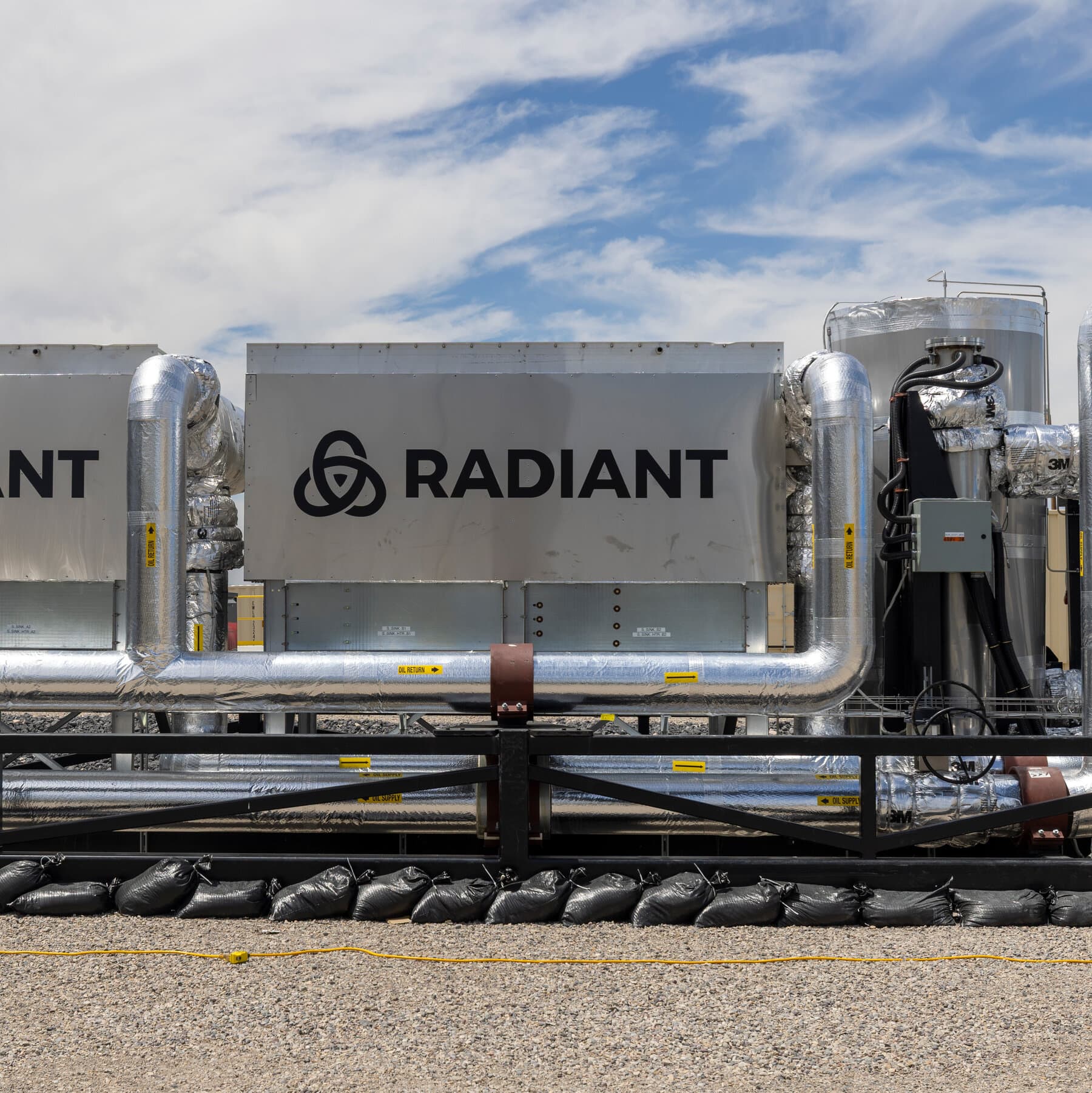
The contracts awarded to five companies—Antares Nuclear, BWXT Advanced Technologies, General Atomics, Radiant Industries, and Westinghouse—are structured under a milestone-based Other Transaction Authority model. This approach allows for flexibility and innovation in the development process, encouraging private sector investment alongside government funding. The Army's goal is to deploy the first reactor by September 2028, with plans for more than 20 units overall, indicating a robust commitment to this technology.
Moreover, the reactors will be designed to comply with environmental and safety standards, although they will operate under Army regulations rather than the more stringent oversight of the Nuclear Regulatory Commission. This regulatory framework is intended to streamline the deployment process while ensuring safety and compliance.
The implications of this initiative extend beyond military applications. As the U.S. seeks to expand its domestic nuclear capabilities, the success of Project Janus could pave the way for broader adoption of microreactor technology in civilian sectors. This could lead to increased investment in nuclear energy solutions, potentially reshaping the energy landscape in the U.S. and influencing global energy policies.
Who feels it first (and how)
- Defense contractors: Companies involved in the project may see increased demand and investment opportunities.
- Energy sector professionals: Those working in nuclear and alternative energy may experience shifts in job opportunities and project funding.
- Military personnel: Service members stationed at the bases involved will benefit from enhanced energy security and operational capabilities.
What to watch next
- Deployment timelines: Monitor the progress of the first reactor deployment in September 2028, as it will set the pace for future units.
- Investor interest: Watch for shifts in stock prices and investment flows towards the companies involved in microreactor technology.
- Regulatory developments: Keep an eye on any changes in nuclear energy regulations that may arise from this initiative, which could impact broader energy policies.
The U.S. Army has awarded contracts totaling up to $2.2 billion for microreactor development.
Increased investment and interest in nuclear technology from both public and private sectors.
The broader market impact on energy prices and policies resulting from this initiative.
Frequently Asked Questions
- Why it matters?
- This $2.2 billion investment signals a significant shift towards nuclear energy solutions for military resilience and could influence broader energy policies.
- What happened (in 30 seconds)?
- On August 26, 2026, the U.S. Army announced contracts worth up to $2.2 billion for nuclear microreactor development at five bases. Project Janus aims to enhance energy resilience by providing independent power sources capable of up to 20 megawatts each. Five companies were selected to develop and operate these reactors, with the first deployment expected by September 2028.
- What's really happening?
- The U.S. Army's decision to invest up to $2.2 billion in nuclear microreactors through Project Janus reflects a strategic pivot towards energy independence and resilience. This initiative is designed to address the military's longstanding challenges with energy supply, particularly in remote and forward-operating bases where traditional power sources are unreliable or vulnerable to disruption. Historically, the military has depended heavily on diesel generators, which are not only costly but al
- Who feels it first (and how)?
- Defense contractors: Companies involved in the project may see increased demand and investment opportunities. Energy sector professionals: Those working in nuclear and alternative energy may experience shifts in job opportunities and project funding. Military personnel: Service members stationed at the bases involved will benefit from enhanced energy security and operational capabilities.
- What to watch next?
- Deployment timelines: Monitor the progress of the first reactor deployment in September 2028, as it will set the pace for future units. Investor interest: Watch for shifts in stock prices and investment flows towards the companies involved in microreactor technology. Regulatory developments: Keep an eye on any changes in nuclear energy regulations that may arise from this initiative, which could impact broader energy policies.
Capitol Hill news, legislation, and policy insight.
"The Hill specializes in U.S. politics and policy, with a focus on Capitol Hill developments and a reputation for insider reporting."
— A47 Editor
Army spending $2B to build nuclear microreactors at 5 bases
The U.S. Army has announced a significant investment of $2.2 billion to develop nuclear microreactors at five military bases across the country, aiming to enhance national security through a more reliable energy source. These microreactors, capable o...
Major U.S. developments and regional news.
"ABC News delivers broad national coverage with a mainstream editorial stance, focusing on accessibility and balanced reporting."
— A47 Editor
Army to spend $2B to build nuclear microreactors at 5 bases as US seeks to ramp up nuclear power
The U.S. Army has announced a significant investment of $2 billion to construct nuclear microreactors at five military bases, spanning from New York to Texas. This initiative aims to establish a reliable energy source that operates independently from...
Technology innovations, startups, and trends.
"ABC News delivers broad national coverage with a mainstream editorial stance, focusing on accessibility and balanced reporting."
— A47 Editor
Army to spend $2B to build nuclear microreactors at 5 bases as US seeks to ramp up nuclear power
The U.S. Army has announced a significant investment of $2 billion to construct nuclear microreactors at five military bases across the country, from New York to Texas. This initiative aims to establish a reliable energy source that operates independ...
UAE-based newspaper covering Gulf politics, society, and international developments.
"Gulf News is one of the UAE’s most prominent English-language publications."
— A47 Editor
Army to spend $2B to build nuclear microreactors at 5 bases as US seeks to ramp up nuclear power
The U.S. Army has announced plans to invest $2 billion in the construction of nuclear microreactors at five military bases, as part of a broader initiative to increase the country's nuclear power capabilities. This move aligns with the U.S. governmen...
A curated Gulf News feed featuring major stories across news, business, opinion, and lifestyle.
"Gulf News is a major UAE newspaper whose featured stories feed reflects a broad editorial mix shaped for a Gulf audience."
— A47 Editor
Army to spend $2B to build nuclear microreactors at 5 bases as US seeks to ramp up nuclear power
The U.S. Army has announced plans to invest $2 billion in the construction of nuclear microreactors at five military bases, as part of a broader initiative to increase the country's nuclear power capabilities. This move aligns with the U.S. governmen...
Conservative-leaning political and national coverage.
"The Washington Times is a conservative-leaning newspaper known for its political coverage and advocacy of right-of-center viewpoints."
— A47 Editor
Army to spend $2B to build nuclear microreactors at 5 bases as U.S. seeks to ramp up nuclear power
The U.S. Army has announced plans to invest $2 billion in the construction of nuclear microreactors at five military bases across the country, from New York to Texas. This initiative aims to provide a reliable energy source that operates independentl...
Scientific research, space, environment, and health coverage.
"The New York Times is a globally recognized newspaper offering authoritative reporting with a center-left editorial stance."
— A47 Editor
Army Awards $2.2 Billion for ‘Microreactors’ On U.S. Bases
The U.S. Army has awarded $2.2 billion to five companies, including Radiant Industries, to develop microreactors at military bases, marking a significant step in the Trump administration's initiative to expand nuclear power capabilities in the countr...
Oil, metals, and agriculture: supply/demand headlines, OPEC chatter, inventories, and price action.
"Solid tape for energy and metals traders tracking macro and micro catalysts."
— A47 Editor
US Army awards up to $2.2 billion to five companies to build microreactors on bases
The US Army has awarded contracts worth up to $2.2 billion to five companies for the construction of microreactors at military bases, a strategic initiative aimed at enhancing energy security and operational efficiency.
Business and tech news excluding paywalled content.
"High-volume business/tech outlet with frequent AI coverage."
— A47 Editor
The US Army is betting on nuclear microreactors to keep its bases powered even if the grid goes dark
The US Army has announced plans to implement nuclear microreactors at five military bases, with the intention of ensuring a reliable power supply even during grid failures. This initiative involves collaboration with five companies to develop these a...