
Bill Gates Advocates for Human Reserved Jobs and AI Taxation to Address Workforce Disruption
Why it matters
This proposal could reshape job markets and influence government policies on AI and employment.
What happened (in 30 seconds)
- On August 26, 2026, Bill Gates published a 6,000-word essay advocating for 'Human Reserved' jobs and AI taxation.
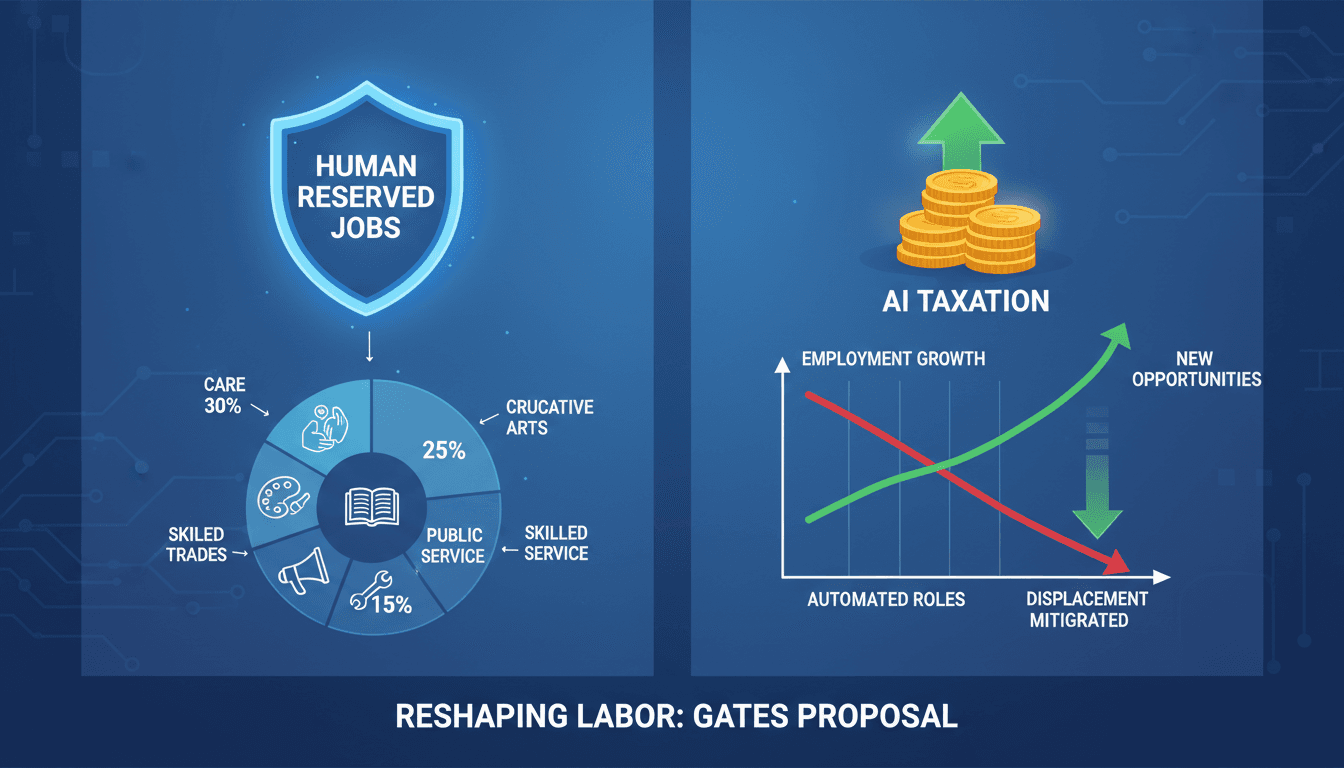
- Gates proposed designating certain roles exclusively for humans to mitigate job displacement caused by AI.
- The proposal is currently in the proposal stage with no legislative action reported.
The context you actually need
- Gates' essay follows years of accelerating AI capabilities and public anxiety over employment impacts.
- The concept of 'Human Reserved' jobs is likened to nature reserves, aiming to protect specific roles from automation.
- Gates emphasizes the need for international collaboration, particularly between the US and China, to address AI governance.
What's really happening
Bill Gates' recent essay, "The turbulent AI era is here," outlines a proactive approach to the challenges posed by artificial intelligence. As AI technologies advance rapidly, concerns about job displacement have surged. Gates argues that without intervention, we could see a significant portion of the workforce rendered obsolete, leading to economic upheaval and social instability. His proposal introduces the concept of 'Human Reserved' jobs, which would protect certain roles from automation, ensuring that they remain human-centric.
Gates suggests that up to 40% of jobs could be designated as 'Human Reserved' in extreme scenarios, focusing on sectors like elderly care and medical diagnostics. This approach aims to preserve societal value and human interaction in critical areas. Additionally, Gates advocates for taxing AI systems and robots, which would generate revenue to fund safety nets and retraining programs for displaced workers. This taxation could adjust incentives away from automation, encouraging companies to consider the human impact of their technological advancements.
The proposal also reflects Gates' broader philanthropic goals, particularly in supporting workforce development and addressing the potential misuse of AI. He plans to engage with US legislators and influence AI developers to adopt these recommendations. The emphasis on international collaboration highlights the need for a coordinated response to the challenges posed by AI, especially given the geopolitical tensions surrounding AI development between the US and China.
While the proposal has garnered attention, it faces challenges in implementation, particularly from industries that may resist additional taxation and regulation. The lack of immediate governmental responses or market shifts indicates that the proposal is still in its infancy, but it aligns with ongoing discussions about AI governance and workforce planning.
Who feels it first (and how)
- Workers in sectors like healthcare and elderly care may see job protections under the 'Human Reserved' concept.
- Tech companies could face increased taxation on AI systems, impacting their operational costs.
- Policymakers will need to navigate the complexities of implementing such proposals, affecting legislative agendas.
What to watch next
- Legislative developments: Monitor any movements in Congress regarding AI taxation and job protection policies, as these could set precedents for future regulations.
- Industry responses: Watch how tech companies react to the proposal, particularly regarding lobbying efforts against AI taxation.
- Public sentiment: Keep an eye on surveys and studies reflecting public opinion on AI and job security, as these could influence political action.
Bill Gates has proposed 'Human Reserved' jobs and AI taxation to mitigate workforce disruption.
There will be ongoing discussions and debates in legislative bodies regarding the feasibility of these proposals.
The extent to which industries will adapt to or resist these changes remains uncertain.
Frequently Asked Questions
- Why it matters?
- This proposal could reshape job markets and influence government policies on AI and employment.
- What happened (in 30 seconds)?
- On August 26, 2026, Bill Gates published a 6,000-word essay advocating for 'Human Reserved' jobs and AI taxation. Gates proposed designating certain roles exclusively for humans to mitigate job displacement caused by AI. The proposal is currently in the proposal stage with no legislative action reported.
- What's really happening?
- Bill Gates' recent essay, "The turbulent AI era is here," outlines a proactive approach to the challenges posed by artificial intelligence. As AI technologies advance rapidly, concerns about job displacement have surged. Gates argues that without intervention, we could see a significant portion of the workforce rendered obsolete, leading to economic upheaval and social instability. His proposal introduces the concept of 'Human Reserved' jobs, which would protect certain roles from automation, en
- Who feels it first (and how)?
- Workers in sectors like healthcare and elderly care may see job protections under the 'Human Reserved' concept. Tech companies could face increased taxation on AI systems, impacting their operational costs. Policymakers will need to navigate the complexities of implementing such proposals, affecting legislative agendas.
- What to watch next?
- Legislative developments: Monitor any movements in Congress regarding AI taxation and job protection policies, as these could set precedents for future regulations. Industry responses: Watch how tech companies react to the proposal, particularly regarding lobbying efforts against AI taxation. Public sentiment: Keep an eye on surveys and studies reflecting public opinion on AI and job security, as these could influence political action.
UAE-based English-language newspaper covering regional politics, economics, and global affairs.
"The National reflects Emirati policy perspectives while maintaining international editorial standards."
— A47 Editor
Bill Gates wants jobs reserved for humans amid AI boom
Bill Gates has expressed concerns over the rapid advancement of artificial intelligence (AI), advocating for the reservation of certain jobs for humans to mitigate potential job losses. He warns that without proactive measures, the rise of AI could l...
Startup news with frequent AI coverage.
"Covers launches, funding, and product updates in AI."
— A47 Editor
Bill Gates wants to see a robot tax and ‘Human Reserved’ jobs to mitigate harms from AI
Bill Gates has proposed the implementation of a robot tax and the establishment of 'Human Reserved' jobs to address the potential negative impacts of artificial intelligence (AI) on employment and society. He emphasizes the need for responsible AI de...
Business and tech news excluding paywalled content.
"High-volume business/tech outlet with frequent AI coverage."
— A47 Editor
3 key takeaways from Bill Gates’ stark warning about AI and jobs
Bill Gates has issued a stark warning regarding the potential impact of artificial intelligence (AI) on various sectors, particularly construction and hospitality, suggesting that a robotics boom could lead to significant job displacement and a redef...