
Dubai Implements Shared Housing Law with Strict Permits and Fines
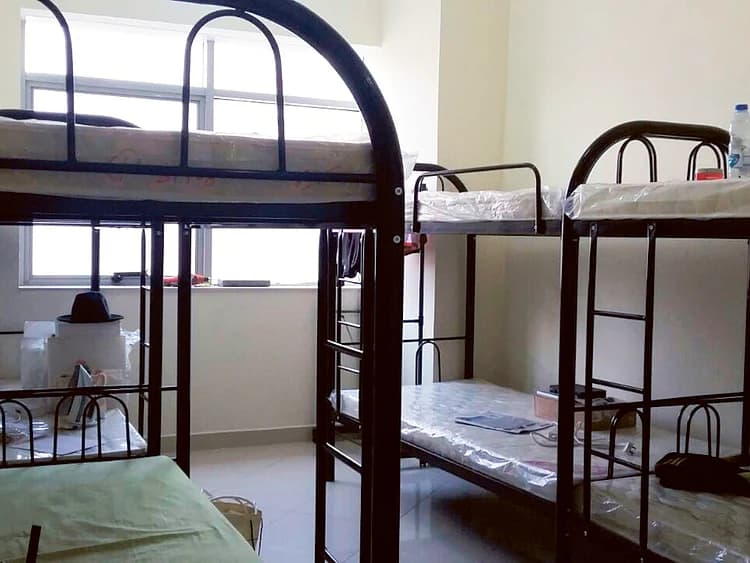
Here's what it means for you.
If you live in shared housing in Dubai, prepare for new regulations that could impact your living arrangements and costs.
Why it matters
This law aims to regulate the booming shared accommodation market, addressing safety and overcrowding concerns while affecting rental dynamics.
What happened (in 30 seconds)
- On August 26, 2026, Dubai's shared housing law took effect, requiring permits for shared accommodation.
- Fines can reach up to Dh1 million for repeat violations, with penalties escalating for non-compliance.
- A one-year grace period allows existing operators to adjust to the new regulations without immediate penalties.
The context you actually need
- Rapid urban growth in Dubai has led to increased demand for shared housing, often resulting in overcrowded and unsafe living conditions.
- Previous regulations mandated minimum space per resident, but enforcement was inconsistent, leading to informal housing arrangements.
- The law excludes collective labour housing, focusing instead on private accommodations where individuals or families share facilities.
What's really happening
Law No. 4 of 2026, published on February 27, 2026, establishes a comprehensive framework for shared housing in Dubai. This regulation mandates that property owners and licensed operators obtain permits to designate their properties as shared housing. The law specifically defines shared housing as units where individuals or families share essential facilities, such as kitchens and bathrooms.
The enforcement of this law is a response to longstanding issues of overcrowding and safety violations in shared accommodations. With Dubai's rapid urbanization, the demand for affordable housing options has surged, leading to a proliferation of informal and unregulated shared living arrangements. This has raised concerns about tenant safety and the overall quality of living conditions.
To address these challenges, the law imposes strict penalties for non-compliance, with fines ranging from Dh500 to Dh500,000, escalating to Dh1 million for repeat violations within a year. This tiered penalty system is designed to incentivize compliance among property owners and operators. Additionally, the law prohibits subletting, which has been a common practice in informal shared housing arrangements, further tightening control over the market.
The one-year grace period allows existing operators to regularize their arrangements, providing them with time to apply for the necessary permits and comply with the new regulations. This transitional phase is crucial, as it prevents immediate mass evictions and allows authorities to work with operators to ensure a smooth adjustment to the new legal framework.
As enforcement begins, the Dubai Municipality and Land Department are expected to actively monitor compliance, shifting market dynamics as operators prioritize obtaining permits to avoid hefty fines. This regulatory shift is likely to lead to a more organized and safer shared housing market, ultimately benefiting tenants by improving living conditions and ensuring adherence to safety standards.
Who feels it first (and how)
- Property owners: Must apply for permits and comply with new regulations or face significant fines.
- Licensed operators: Need to adjust their business models to align with the law, impacting profitability.
- Residents in shared housing: Will experience changes in rental agreements and living conditions, with no subletting allowed.
- Real estate market participants: May see shifts in demand for shared housing as compliance becomes a priority.
What to watch next
- Permit applications: Monitor the volume of applications submitted by property owners and operators, indicating market adaptation.
- Compliance rates: Track how quickly existing operators adjust to the new regulations, which will affect rental dynamics.
- Tenant feedback: Pay attention to resident experiences and safety improvements in shared housing, which could influence future regulations.
The law is now in effect with a one-year grace period for compliance.
Increased demand for compliant shared housing options as illegal arrangements are phased out.
The long-term impact on rental prices and availability of shared housing in Dubai.
Frequently Asked Questions
- Why it matters?
- This law aims to regulate the booming shared accommodation market, addressing safety and overcrowding concerns while affecting rental dynamics.
- What happened (in 30 seconds)?
- On August 26, 2026, Dubai's shared housing law took effect, requiring permits for shared accommodation. Fines can reach up to Dh1 million for repeat violations, with penalties escalating for non-compliance. A one-year grace period allows existing operators to adjust to the new regulations without immediate penalties.
- What's really happening?
- Law No. 4 of 2026, published on February 27, 2026, establishes a comprehensive framework for shared housing in Dubai. This regulation mandates that property owners and licensed operators obtain permits to designate their properties as shared housing. The law specifically defines shared housing as units where individuals or families share essential facilities, such as kitchens and bathrooms. The enforcement of this law is a response to longstanding issues of overcrowding and safety violations i
- Who feels it first (and how)?
- Property owners: Must apply for permits and comply with new regulations or face significant fines. Licensed operators: Need to adjust their business models to align with the law, impacting profitability. Residents in shared housing: Will experience changes in rental agreements and living conditions, with no subletting allowed. Real estate market participants: May see shifts in demand for shared housing as compliance becomes a priority.
- What to watch next?
- Permit applications: Monitor the volume of applications submitted by property owners and operators, indicating market adaptation. Compliance rates: Track how quickly existing operators adjust to the new regulations, which will affect rental dynamics. Tenant feedback: Pay attention to resident experiences and safety improvements in shared housing, which could influence future regulations.
Arabic-language local coverage focused on UAE domestic issues, civic affairs, and community reporting.
"Emarat Al Youm local coverage emphasizes UAE institutions, public services, and community-level developments."
— A47 Editor
بعد دخوله حيز التنفيذ.. غرامات تصل إلى مليون درهم في قانون السكن المشترك بدبي بعد دخوله حيز التنفيذ.. غرامات تصل إلى مليون درهم في قانون السكن المشترك بدبي
The law No. 4 of 2026 concerning the regulation of shared housing in Dubai has come into effect as of Wednesday. This legislation introduces significant penalties, including fines that can reach up to one million dirhams for violations related to the...
UAE-based newspaper covering Gulf politics, society, and international developments.
"Gulf News is one of the UAE’s most prominent English-language publications."
— A47 Editor
Dubai's shared housing law takes effect, fines of up to Dh1 million for repeat violations
Dubai has implemented a new shared housing law that imposes fines of up to Dh1 million for repeat violations, aimed at improving safety and living conditions in residential properties. This regulation is part of a broader initiative to address concer...
A curated Gulf News feed featuring major stories across news, business, opinion, and lifestyle.
"Gulf News is a major UAE newspaper whose featured stories feed reflects a broad editorial mix shaped for a Gulf audience."
— A47 Editor
Dubai's shared housing law takes effect, fines of up to Dh1 million for repeat violations
Dubai has implemented a new shared housing law that imposes fines of up to Dh1 million for repeat violations, aimed at improving safety and living conditions in residential properties. This regulation is part of a broader initiative to address concer...
English-language coverage focused on UAE news, government updates, and domestic affairs.
"Emirates 24|7 reflects a mainstream UAE editorial perspective with strong emphasis on official and domestic developments."
— A47 Editor
Dubai's shared housing law takes effect with fines of up to AED1 million
Dubai's new law regulating shared housing has come into effect, establishing a framework for occupancy and management of shared accommodations across the emirate, including free zones. The law, which imposes fines of up to AED1 million for repeat vio...
UAE-based English-language newspaper covering regional politics, economics, and global affairs.
"The National reflects Emirati policy perspectives while maintaining international editorial standards."
— A47 Editor
Dubai shared housing rules come into effect in bid to curb dangerous accommodation
Dubai has implemented new shared housing regulations aimed at improving safety and living conditions in residential properties, with fines of up to AED 1 million for repeat violations. This law is part of a broader initiative to address concerns rega...