
United Nations Faces Leadership Transition Amid Institutional Decline and Global Conflicts
Here's what it means for you.
The diminishing influence of the United Nations could reshape global diplomacy and humanitarian funding, impacting international business operations.
Why it matters
The UN's weakening position threatens the stability of international relations and could lead to increased geopolitical risks.
What happened (in 30 seconds)
- Leadership transition: António Guterres is stepping down as Secretary-General, leaving a vacuum during a critical time.
- Funding crisis: The UN faces over $4 billion in financial arrears, exacerbated by reduced U.S. contributions.
- Conflict escalation: The world is experiencing the highest number of conflicts since the UN's inception, limiting its capacity to mediate effectively.
The context you actually need
- Historical foundation: The UN was established post-World War II to maintain peace through collective security and diplomacy.
- Great-power rivalry: Ongoing tensions among major powers have led to a paralysis in the Security Council, hindering effective crisis interventions.
- Evolving conflict dynamics: Recent years have seen intensified conflicts in regions like Ukraine, Gaza, and Myanmar, challenging the UN's relevance.
What's really happening
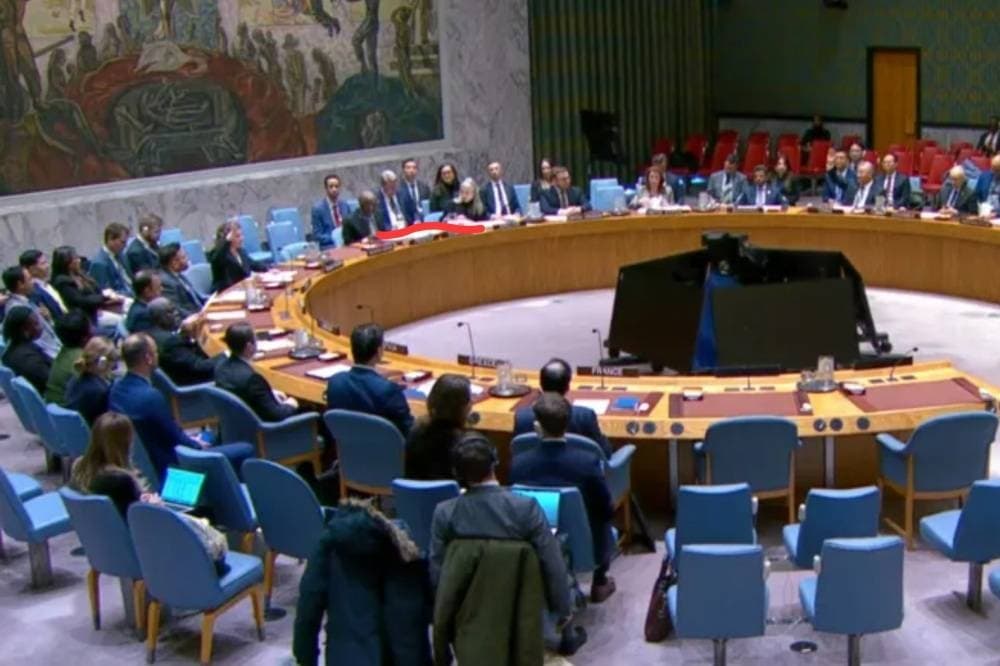
As of late August 2026, the United Nations is grappling with a significant leadership transition and institutional decline. António Guterres, the outgoing Secretary-General, is set to leave office in December 2026, coinciding with a period marked by acute financial constraints and a record number of global conflicts. The UN's ability to fulfill its core mandate of maintaining international peace and security is increasingly under threat, primarily due to the veto power wielded by major nations in the Security Council. This has resulted in repeated blockages of effective interventions in critical crises, such as those in Ukraine, Gaza, and Myanmar.
The financial landscape is equally troubling. The UN is facing a liquidity crisis, with documented financial arrears exceeding $4 billion. This situation has been exacerbated by significant funding reductions from the United States, particularly following the policy shifts initiated during the Trump administration. As a result, European nations have also reduced their humanitarian spending, further straining the UN's operational capabilities.
The current leadership transition is complicated by the influence of veto-holding powers, which limits the potential for bold reform proposals from the eight candidates vying for the Secretary-General position. Observers suggest that the next leader should prioritize political mediation over administrative duties to mitigate the erosion of the UN's peace-making role. This shift in focus is crucial as the organization faces the highest number of conflicts since its founding in 1945, a statistic highlighted by Guterres himself.
The implications of this decline are profound. As the UN struggles to maintain its relevance in a multipolar world, questions arise about its future role in global governance. The organization's capacity to respond to humanitarian crises and mediate conflicts is increasingly compromised, raising concerns about the stability of international relations and the potential for increased geopolitical risks.
Who feels it first (and how)
- Diplomats: Reduced effectiveness in conflict resolution may lead to heightened tensions and instability in diplomatic relations.
- Humanitarian organizations: Funding shortfalls could limit their ability to respond to crises, impacting vulnerable populations.
- Businesses: Increased geopolitical risks may disrupt international trade and investment strategies.
What to watch next
- Funding developments: Monitor changes in U.S. and European contributions to the UN, as these will directly impact its operational capacity.
- Leadership decisions: The selection of the next Secretary-General will be pivotal in determining the UN's strategic direction and reform potential.
- Conflict escalation: Keep an eye on ongoing global conflicts, as their evolution will influence the UN's relevance and effectiveness.
The UN is experiencing a leadership transition amid financial and operational challenges.
The next Secretary-General will face significant pressure to reform the UN's approach to conflict mediation.
The long-term implications of the UN's decline on global diplomacy and humanitarian efforts remain uncertain.
Frequently Asked Questions
- Why it matters?
- The UN's weakening position threatens the stability of international relations and could lead to increased geopolitical risks.
- What happened (in 30 seconds)?
- Leadership transition: António Guterres is stepping down as Secretary-General, leaving a vacuum during a critical time. Funding crisis: The UN faces over $4 billion in financial arrears, exacerbated by reduced U.S. contributions. Conflict escalation: The world is experiencing the highest number of conflicts since the UN's inception, limiting its capacity to mediate effectively.
- What's really happening?
- As of late August 2026, the United Nations is grappling with a significant leadership transition and institutional decline. António Guterres, the outgoing Secretary-General, is set to leave office in December 2026, coinciding with a period marked by acute financial constraints and a record number of global conflicts. The UN's ability to fulfill its core mandate of maintaining international peace and security is increasingly under threat, primarily due to the veto power wielded by major nations i
- Who feels it first (and how)?
- Diplomats: Reduced effectiveness in conflict resolution may lead to heightened tensions and instability in diplomatic relations. Humanitarian organizations: Funding shortfalls could limit their ability to respond to crises, impacting vulnerable populations. Businesses: Increased geopolitical risks may disrupt international trade and investment strategies.
- What to watch next?
- Funding developments: Monitor changes in U.S. and European contributions to the UN, as these will directly impact its operational capacity. Leadership decisions: The selection of the next Secretary-General will be pivotal in determining the UN's strategic direction and reform potential. Conflict escalation: Keep an eye on ongoing global conflicts, as their evolution will influence the UN's relevance and effectiveness.
Arabic-language coverage of political affairs and current events.
"Okaz political coverage typically follows mainstream Saudi framing on national and regional affairs."
— A47 Editor
غوتيريش: مجلس الأمن مشلول.. ودور الأمم المتحدة تراجع
UN Secretary-General António Guterres warned that the world is nearing a potential 'global confrontation' due to the diminishing role of international institutions and the rise of a multipolar world. He highlighted the paralysis of the Security Counc...
Coverage of political affairs and regional developments from a Saudi perspective.
"Al Watan political coverage typically follows a mainstream Saudi framing of regional and national issues."
— A47 Editor
الأمم المتحدة تتراجع والحروب تتسع
The United Nations is entering a critical phase as it prepares to select a successor to António Guterres amid unprecedented declines in its political influence and financial capabilities, alongside a widening scope of wars and international divisions...
Arabic-language coverage of international news and geopolitics.
"RT Arabic is a Russian state-funded outlet often criticized for promoting Kremlin-aligned narratives."
— A47 Editor
غوتيريش: العالم يتجه نحو التعددية القطبية ونفوذ القوى العظمى سيتراجع
UN Secretary-General António Guterres stated that the world is moving towards a multipolar system, indicating a decline in the global influence of major powers. He emphasized the need to manage this transition to prevent escalating competition and co...