
White House Confirms No Negotiations with Iran, Shifts Focus to Economic Pressure
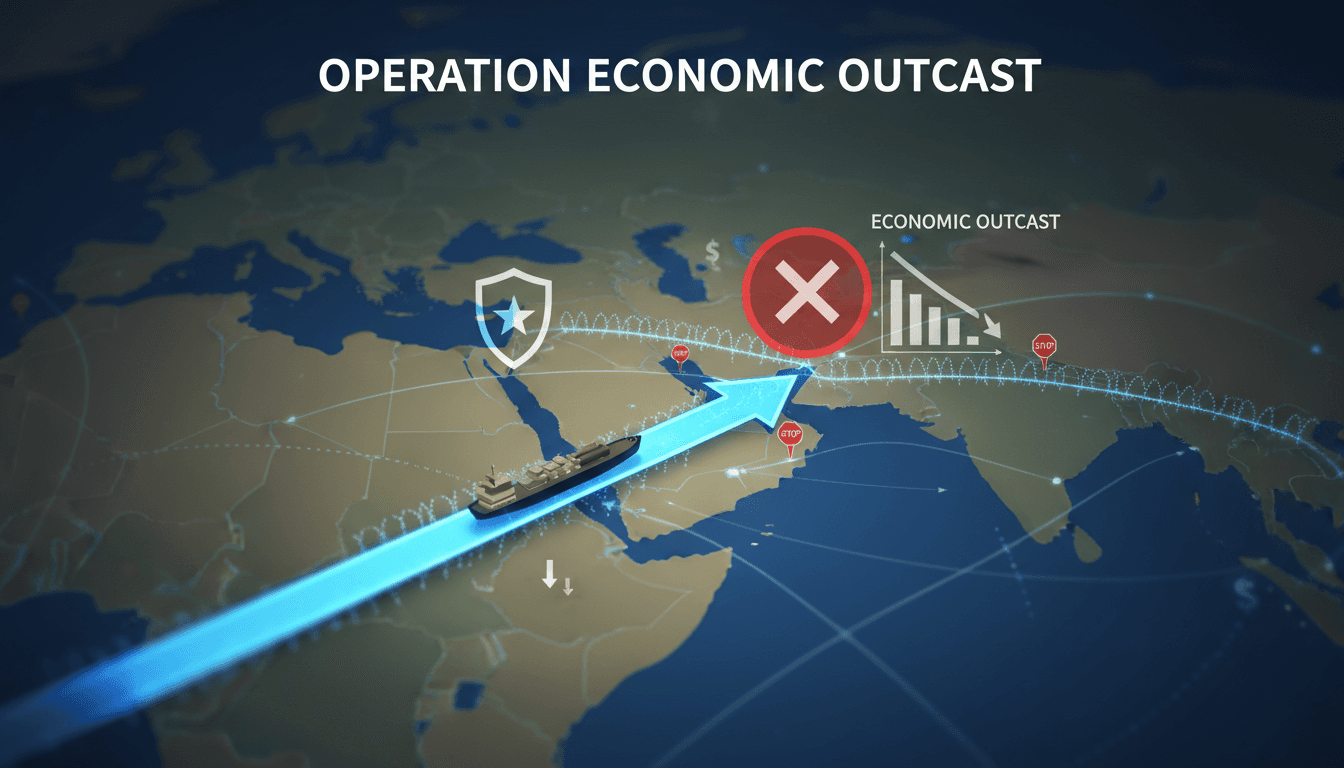
Here's what it means for you.
If you’re in the energy sector or rely on Gulf trade routes, prepare for potential disruptions.
Why it matters
The U.S. shift to economic pressure against Iran could significantly impact global oil prices and trade dynamics.
What happened (in 30 seconds)
- The White House announced there are currently no negotiations with Iran to resolve ongoing conflicts.
- Economic measures are being intensified under 'Operation Economic Outcast,' focusing on undermining Iran's economy.
- All options remain on the table, including a naval blockade, to prevent Iran from acquiring nuclear weapons.
The context you actually need
- The U.S.-Iran conflict has escalated in 2026, with military actions and retaliatory strikes affecting regional stability.
- A June 2026 memorandum aimed at easing tensions has stalled, primarily due to disagreements over the Strait of Hormuz.
- Iranian officials have publicly rejected U.S. economic pressure, vowing to maintain resilience against sanctions.
What's really happening
The recent announcement from White House Press Secretary Karoline Leavitt marks a significant pivot in U.S. strategy towards Iran, emphasizing economic pressure over diplomatic negotiations. This shift is encapsulated in the newly launched 'Operation Economic Outcast,' which aims to cripple Iran's economy by targeting its financial networks and trade relationships. The U.S. Treasury Secretary Scott Bessent has warned of sanctions against countries that continue to engage financially with Iran, signaling a broader strategy to isolate Tehran economically.
The backdrop of this decision is a protracted conflict that has seen U.S. military operations resume, including 'Operation Epic Fury,' which targeted Iranian military capabilities. The stalled implementation of the June memorandum, mediated by Pakistan and Qatar, highlights the complexities of diplomatic engagement in the region. The U.S. is now prioritizing economic measures, believing that financial pressure will compel Iran to negotiate meaningfully.
The naval blockade of Iranian ports remains a critical component of this strategy, as it asserts U.S. control over the Strait of Hormuz, a vital chokepoint for global oil exports. This blockade not only aims to limit Iran's military capabilities but also serves as a deterrent against any aggressive actions that could threaten shipping routes. The U.S. is leveraging its naval power to maintain stability in the region while simultaneously applying economic pressure.
Iran's response has been one of defiance, with officials rejecting the effectiveness of U.S. sanctions and vowing to withstand economic hardships. This resilience is crucial for Iran, as it seeks to maintain its influence in the region despite external pressures. The involvement of Qatar in mediating talks indicates that regional players are still attempting to navigate the complexities of U.S.-Iran relations, but the current U.S. stance suggests a long-term strategy focused on economic isolation rather than immediate diplomatic solutions.
As the situation evolves, the implications for global markets, particularly in energy, could be profound. The U.S. strategy aims to reshape the economic landscape in the region, but it also risks escalating tensions further, potentially leading to military confrontations or destabilizing effects on oil prices.
Who feels it first (and how)
- Energy sector professionals: Expect volatility in oil prices due to potential disruptions in supply.
- Shipping and logistics companies: May face increased costs and delays due to the naval blockade and heightened tensions.
- Investors in Gulf markets: Could see fluctuations in stock prices related to energy and trade sectors.
What to watch next
- Iran's economic resilience: Monitor how effectively Iran can withstand U.S. sanctions and what measures it may take in response.
- Global oil prices: Watch for fluctuations as the U.S. implements its economic pressure strategy, particularly in relation to the Strait of Hormuz.
- Regional diplomatic efforts: Keep an eye on Qatar's mediation attempts and any potential shifts in U.S.-Iran relations that could emerge from these discussions.
The U.S. is not currently negotiating with Iran and is intensifying economic pressure.
Iran will continue to resist U.S. sanctions and may seek alternative alliances to mitigate economic impacts.
The long-term effectiveness of economic pressure in achieving U.S. objectives regarding Iran's nuclear ambitions.
Frequently Asked Questions
- Why it matters?
- The U.S. shift to economic pressure against Iran could significantly impact global oil prices and trade dynamics.
- What happened (in 30 seconds)?
- The White House announced there are currently no negotiations with Iran to resolve ongoing conflicts. Economic measures are being intensified under 'Operation Economic Outcast,' focusing on undermining Iran's economy. All options remain on the table, including a naval blockade, to prevent Iran from acquiring nuclear weapons.
- What's really happening?
- The recent announcement from White House Press Secretary Karoline Leavitt marks a significant pivot in U.S. strategy towards Iran, emphasizing economic pressure over diplomatic negotiations. This shift is encapsulated in the newly launched 'Operation Economic Outcast,' which aims to cripple Iran's economy by targeting its financial networks and trade relationships. The U.S. Treasury Secretary Scott Bessent has warned of sanctions against countries that continue to engage financially with Iran, s
- Who feels it first (and how)?
- Energy sector professionals: Expect volatility in oil prices due to potential disruptions in supply. Shipping and logistics companies: May face increased costs and delays due to the naval blockade and heightened tensions. Investors in Gulf markets: Could see fluctuations in stock prices related to energy and trade sectors.
- What to watch next?
- Iran's economic resilience: Monitor how effectively Iran can withstand U.S. sanctions and what measures it may take in response. Global oil prices: Watch for fluctuations as the U.S. implements its economic pressure strategy, particularly in relation to the Strait of Hormuz. Regional diplomatic efforts: Keep an eye on Qatar's mediation attempts and any potential shifts in U.S.-Iran relations that could emerge from these discussions.
Arabic-language political and world news coverage for UAE readers.
"Emarat Al Youm world coverage usually presents international developments through a UAE and Arab audience lens."
— A47 Editor
البيت الأبيض: لا مفاوضات حالياً مع إيران وكل الخيارات مطروحة البيت الأبيض: لا مفاوضات حالياً مع إيران وكل الخيارات مطروحة
White House spokesperson Karine Jean-Pierre stated on Thursday that the United States and Iran are not currently engaged in any negotiations. This announcement underscores the ongoing tensions between the two nations and the complexities surrounding ...
Pan-Arab news coverage spanning politics, business, sports, and regional affairs.
"Asharq Al-Awsat reflects a broad Arab editorial perspective with strong attention to regional geopolitics."
— A47 Editor
ترمب يرفض العودة إلى تفاهم يونيو مع إيران
White House spokesperson Karoline Leavitt announced that the United States and Iran are not currently engaged in negotiations to end the ongoing conflict, as Washington focuses on intensifying economic pressure.
Jordanian news and regional updates.
"Roya News is a Jordanian outlet focused on breaking news and local affairs."
— A47 Editor
البيت الأبيض: لا مفاوضات حاليا مع إيران والخيارات كافة مطروحة
On Thursday, White House spokesperson Caroline Levitt stated that there are currently no negotiations taking place with Iran, emphasizing that all options remain on the table. This statement reflects the ongoing tensions between the United States and...
Arabic-language coverage of international news and geopolitics.
"RT Arabic is a Russian state-funded outlet often criticized for promoting Kremlin-aligned narratives."
— A47 Editor
البيت الأبيض: لا مفاوضات مع إيران حاليا وجميع الخيارات مطروحة
The White House announced that there are currently no negotiations taking place between Washington and Tehran, reaffirming the continuation of the U.S. maritime blockade on Iranian ports without any changes.
Regional and international reporting focused on Middle Eastern politics, diplomacy, and economics.
"Asharq Al-Awsat is a Saudi-owned international newspaper reflecting mainstream Gulf political perspectives."
— A47 Editor
White House Says No Negotiations with Iran, All Options on Table
The White House has stated that there will be no negotiations with Iran, emphasizing that all options remain on the table amid rising tensions. This declaration follows Iran's threats to halt oil exports, prompting the U.S. to announce a comprehensiv...